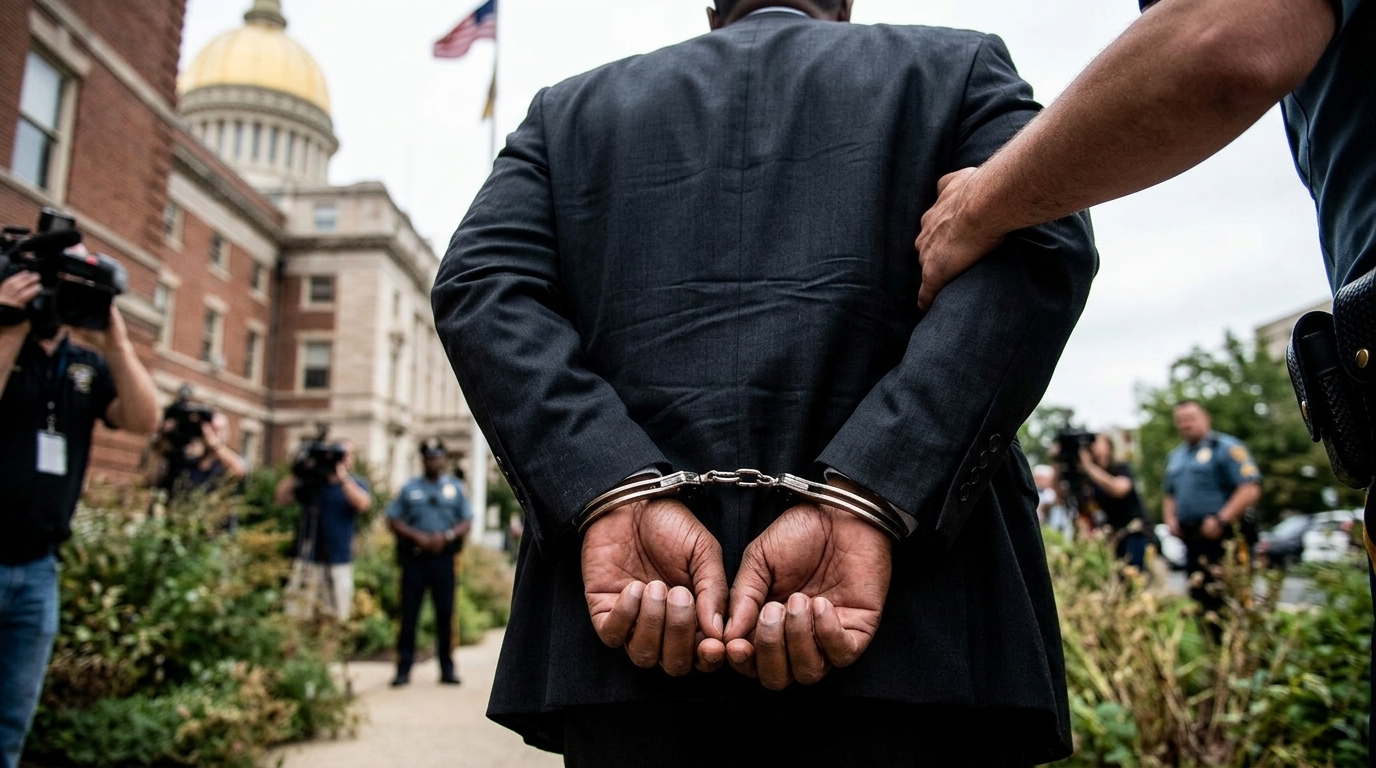
In a move that underscores the administration's desire for a more aggressive and operational approach to border control, President Trump has announced his intention to nominate Lance Schroyer, a former Oklahoma state trooper, as the new director of Immigration and Customs Enforcement (ICE). This selection is not merely an administrative change but a clear statement of intent regarding the future of federal law enforcement in the United States as of mid-2026.
The Oklahoma Connection and Internal Dynamics
Schroyer hails from the same home state as the recently appointed Secretary of the Department of Homeland Security (DHS), Markwayne Mullin. The choice of two figures from Oklahoma for the most critical roles in border security and domestic enforcement suggests the formation of a tight-knit circle of trust within the capital. Mullin, a former congressman and a staunch ally of the President, appears to prioritize individuals who share a philosophy of "direct action" and an aversion to the bureaucratic inertia that often plagues federal agencies.
Schroyer, having served on the front lines of the Oklahoma Highway Patrol, brings a mindset that differs radically from his predecessors, who often emerged from the judiciary or the upper echelons of federal management. His "boots on the ground" experience is viewed by the administration as the essential ingredient for implementing promises of mass deportations and stricter internal border controls.
A New Philosophy for ICE
ICE is an agency that has been at the center of intense political controversy for years. Under Schroyer’s leadership, it is expected that the agency will shift from a stance of "crisis management" to one of "proactive suppression." The expertise of a state trooper in identifying criminal activity during routine stops is something the administration wants to scale nationally.
- Focus on Expedited Removal: The administration aims to accelerate the processes for removing those unlawfully present in the country.
- Local Law Enforcement Synergy: Schroyer is expected to strengthen ties between ICE and local police departments, a strategy often met with resistance in "sanctuary cities."
- Operational Restructuring: The transition from bureaucracy to tactical action will require significant changes in the agency's internal structure.
"We need people who know how to enforce the law on the streets, not just behind desks," said a source close to the White House.
Challenges and Reactions
Despite the enthusiasm from hardline supporters, Schroyer’s nomination is expected to face fierce criticism from human rights organizations and members of the Democratic Party. The primary concern is that an officer with state-level experience may lack the necessary understanding of complex federal immigration laws and international asylum treaties.
Furthermore, ICE manages a massive budget and thousands of employees. Transitioning from commanding a state patrol unit to leading one of the most contentious agencies in the U.S. represents a significant administrative gamble. Schroyer’s ability to navigate the legal hurdles that opponents will undoubtedly raise in federal courts will define the success of his tenure.
Conclusion: Policy as Enforcement
The nomination of Lance Schroyer represents the final piece in the puzzle of Trump’s new 2026 security architecture. With Mullin at the helm of DHS and Schroyer at ICE, Washington is signaling that the era of diplomatic nuances in immigration policy is over. The emphasis is now on force, speed, and uncompromising law enforcement, set against the backdrop of an America seeking a return to order through figures drawn from the nation's heartland.