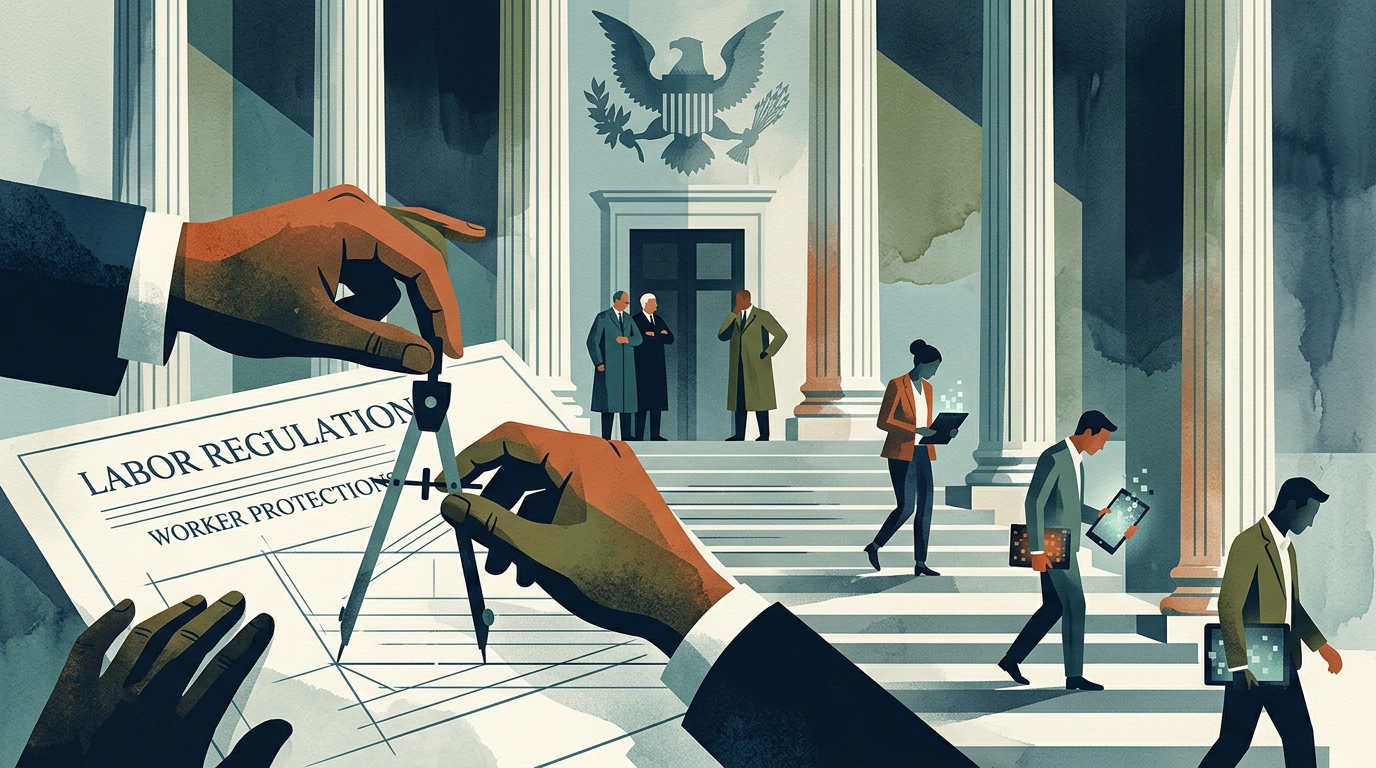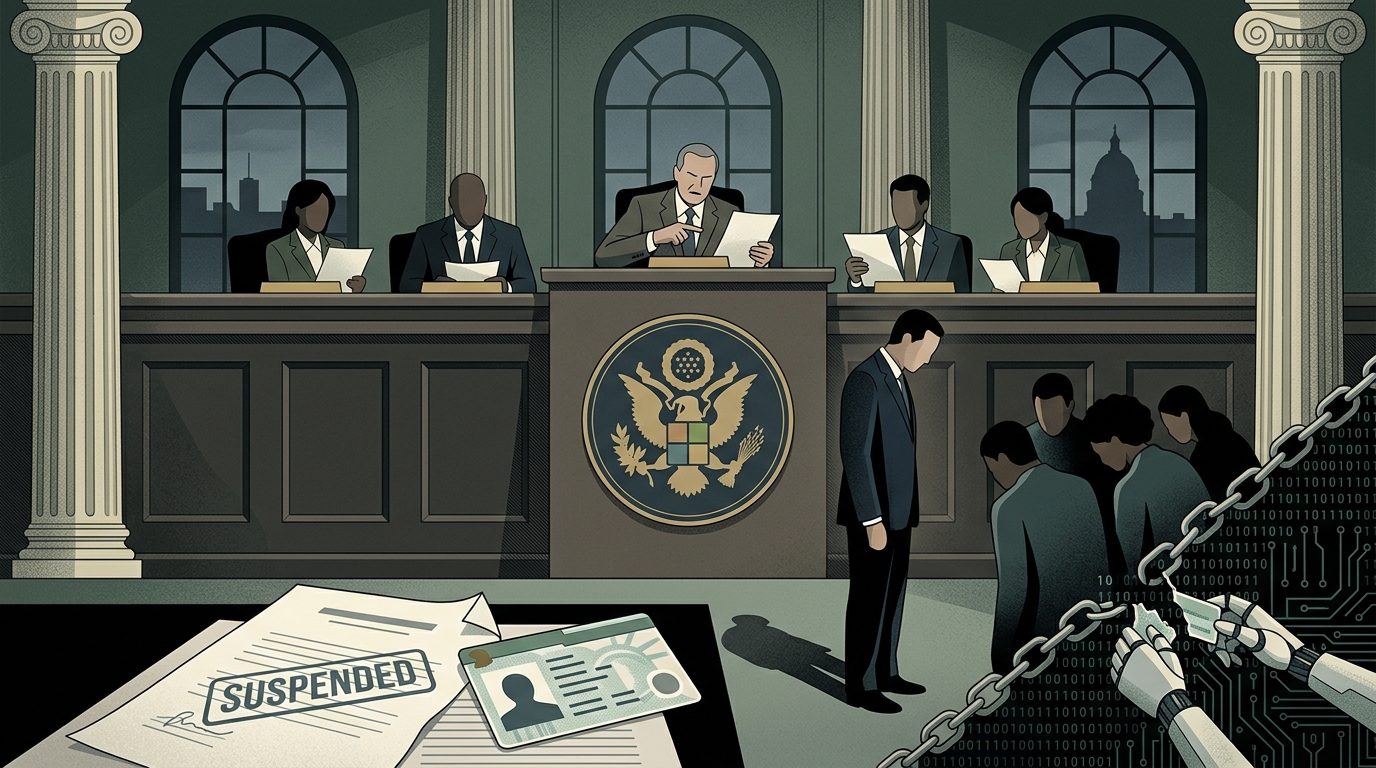
Today, July 2, 2026, the European Union stands at a pivotal crossroads. With the full implementation of the AI Act now a reality, the discourse in Brussels has shifted from legislative theory to operational practice. The "human-centric approach," a term once dismissed as mere rhetoric, has evolved into the cornerstone of European digital diplomacy. However, the "Beyond the Horizon" initiative by the Inter-service Strategy Group (ISSG) reveals that governing Artificial Intelligence (AI) is far more complex than simply issuing fines.
The Philosophy of Digital Sovereignty
The European Union does not merely seek to regulate technology; it aims to redefine the relationship between humans and machines. The human-centric approach is predicated on the belief that AI must serve humanity, not the other way around. This means that any algorithm affecting citizens' lives—from credit scoring to biometric identification by law enforcement—must be transparent, explainable, and, above all, accountable. The ISSG emphasizes that maintaining human oversight (human-in-the-loop) is not just a legal mandate but a moral necessity to safeguard democracy.
In this context, the EU AI Office has assumed the role of a guardian. With over 500 experts monitoring General Purpose AI (GPAI) models, Europe is attempting to prevent the concentration of excessive power within a handful of multinational corporations. The "Beyond the Horizon" strategy focuses specifically on preventing algorithmic biases that could marginalize vulnerable social groups, while simultaneously bolstering consumer trust in the digital marketplace.
Innovation vs. Regulation: The European Paradox
The sharpest criticism leveled against the EU concerns the potential stifling of innovation. While the US and China invest billions in rapid, unconstrained development, Europe has chosen the path of "responsible innovation." The ISSG argues that regulation is not a hurdle but a competitive advantage. By creating a safe and predictable environment, the EU hopes to attract investments that prioritize long-term stability over short-term gains.
- Regulatory Sandboxes: Controlled testing environments allow startups to experiment with new technologies under regulatory supervision.
- SME Support: Funding programs are designed to help small and medium-sized enterprises handle compliance costs.
- Global Standards: The "Brussels Effect" is expected to compel global players to adopt European standards to maintain access to the single market.
However, the reality on the ground remains harsh. Many European tech firms express concerns that Brussels' bureaucracy is too cumbersome for a sector that evolves weekly. The challenge for the ISSG is to ensure that regulations remain "technology-neutral" and flexible enough not to become obsolete before the ink on the official journal even dries.
Geopolitics and the Ethics of Large Models
Artificial Intelligence is no longer just a technical issue; it is a geopolitical tool of power. The EU’s human-centric approach serves as an alternative to models of "surveillance capitalism" and "digital authoritarianism." Through the "Beyond the Horizon" initiative, the EU seeks to build alliances with like-minded nations, creating an international framework for AI safety.
"Artificial Intelligence is a mirror of our values. If the mirror is cracked by bias and lack of transparency, then the future we see will be dystopian," a senior ISSG official remarked.
In conclusion, Europe’s journey toward human-centric AI is a marathon, not a sprint. The success of this endeavor will be judged by the institutions' ability to balance the protection of fundamental rights with the necessity for technological leadership. In a world moving at light speed, Europe chooses to walk with caution, ensuring that at the end of the road, humanity remains in control.