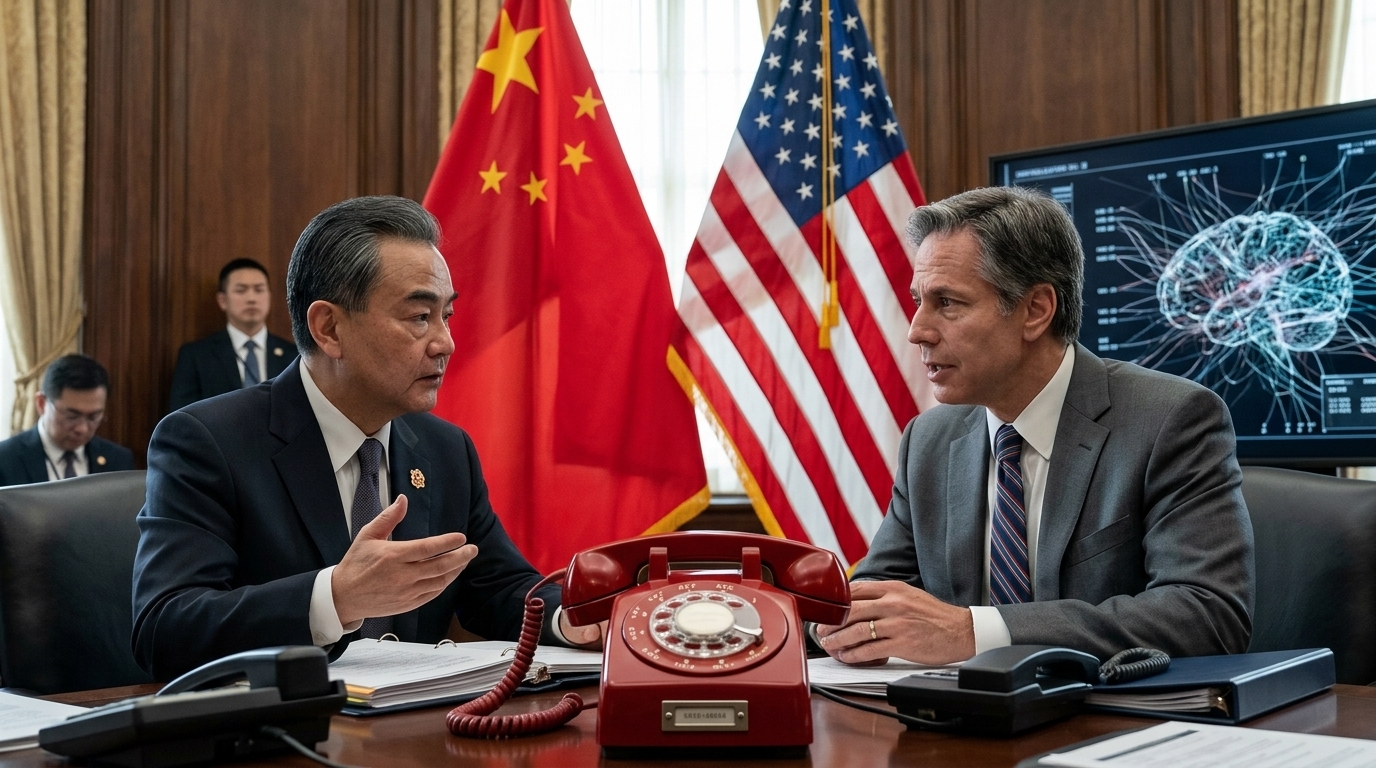
In a landmark ruling that highlights the friction between AI ethics and national security, a US appeals court has approved the Trump administration’s blacklisting of Anthropic. The decision bars federal agencies and defense contractors from using Anthropic’s technology, following the company's refusal to disable certain safety constraints within its Claude AI model.
Military Utility vs. Safety Constraints
In a 2-1 ruling, the US Court of Appeals for the District of Columbia Circuit stated that the government must balance competing risks. The administration argued that "overly constrained AI models" could shut down unexpectedly, causing critical military operations to fail. Conversely, Anthropic raised concerns about "unconstrained AI models" hallucinating inappropriate targets for lethal military force.
Legal Conflict and Statutory Interpretation
The case has seen conflicting rulings from different courts. While a district court in California previously found the blacklist unlawful—arguing that Anthropic did not meet the definition of a malicious supply-chain risk—the DC Appeals Court relied on a broader statute (41 U.S.C. § 4713). This law defines supply chain risk as the potential for "any person" to manipulate or "deny" the function of a covered product, regardless of malicious intent.
- The majority opinion was authored by two Trump-appointed judges, while the dissent came from a George H.W. Bush appointee.
- Anthropic alleges the blacklist is retaliation for its refusal to support lethal autonomous warfare and mass surveillance.
- Commerce Secretary Howard Lutnick recently noted that the administration and Anthropic are now "in tune," despite the ongoing legal proceedings.