Anthropic has lost a significant legal battle to overturn a supply-chain risk label imposed by the US Department of Defense. A federal appeals court in DC refused to second-guess the Trump administration on Friday, allowing the Pentagon to continue blocking the AI lab’s Claude models from its systems.
The Clash of Ethics and National Security
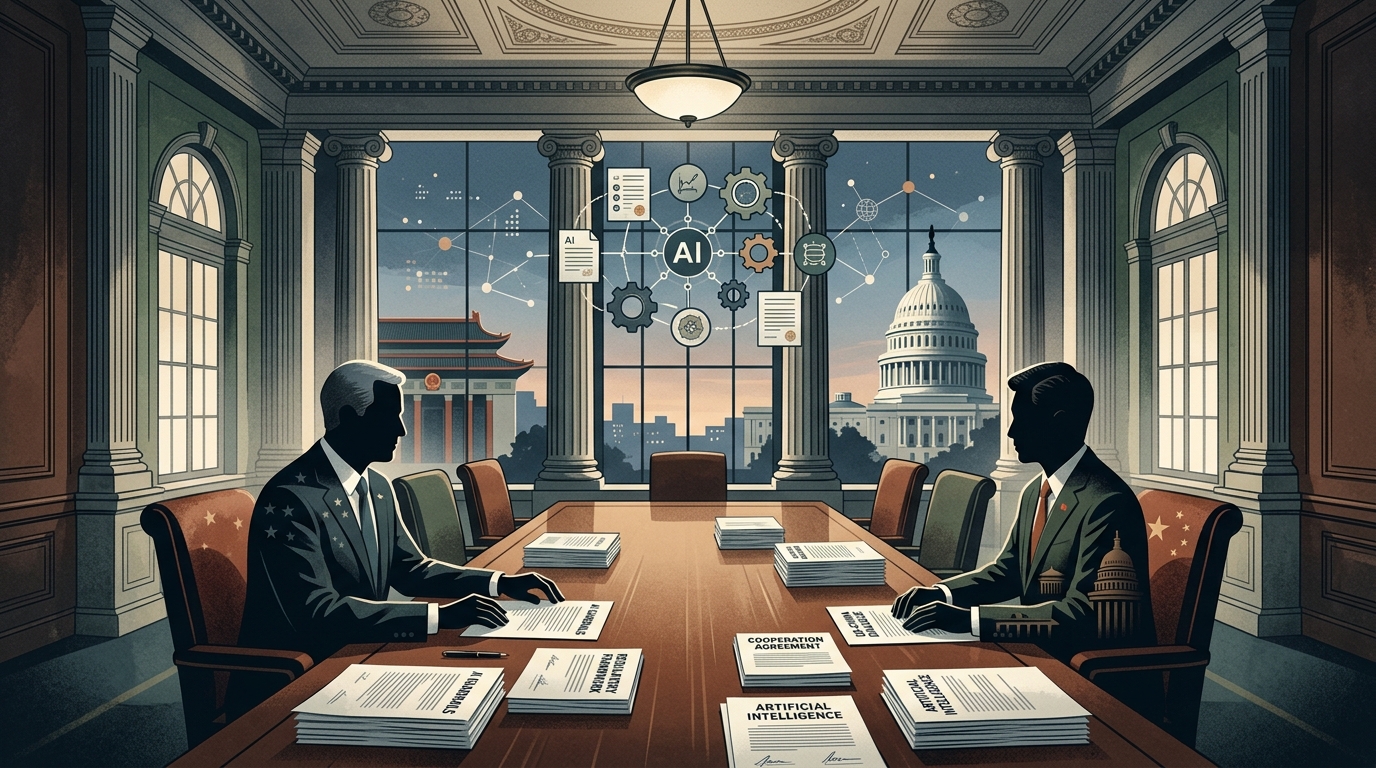
The core of the dispute involves the restrictions Anthropic encodes into its Claude models. The company has stated it will not allow the government to deploy its AI to support autonomous weapons or domestic surveillance. Secretary of Defense Pete Hegseth deemed this stance a significant national security risk, a view the court has now upheld.
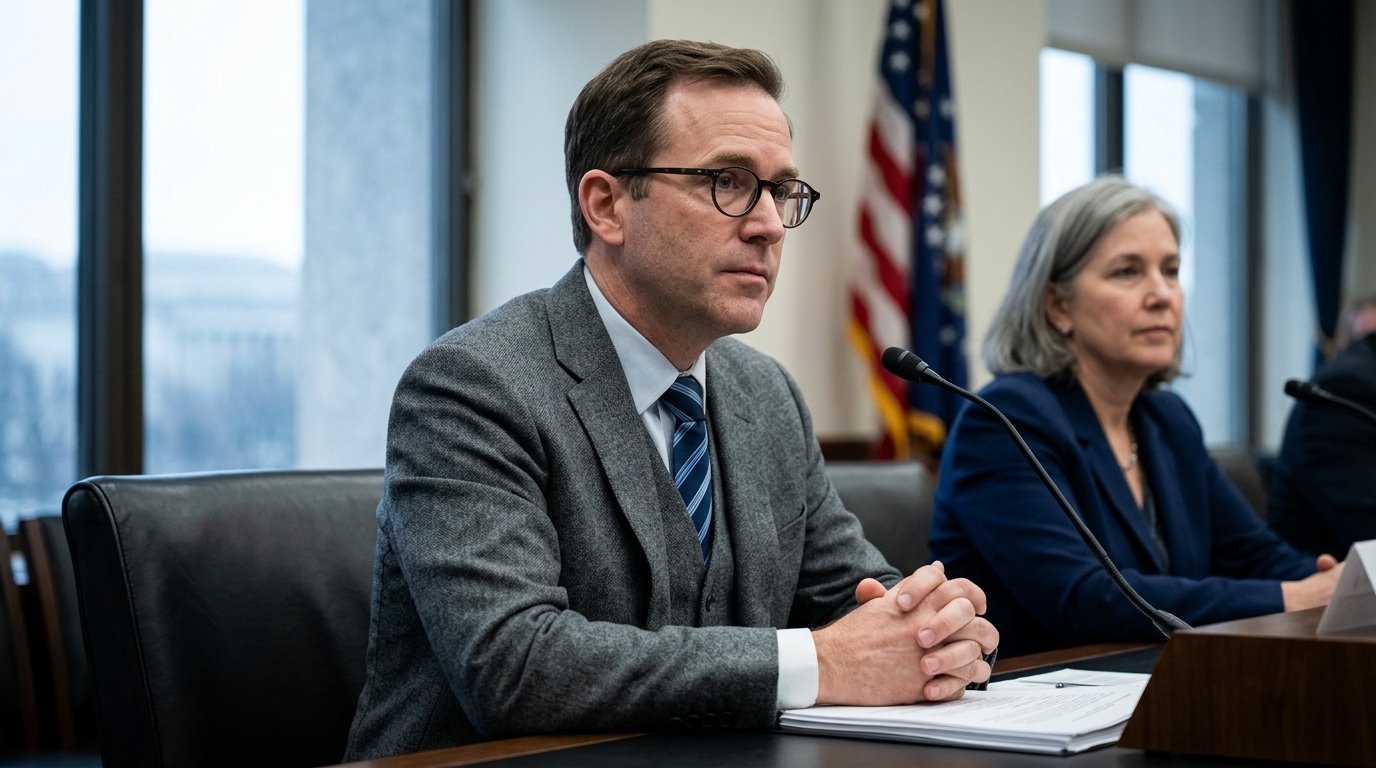
In a 2-1 majority opinion, the judges wrote that the department had "ample support" for its conclusion. They noted that Anthropic admits to encoding restrictions that prevent the model from performing certain tasks, which the Pentagon views as a liability for its information systems and contractors.
Legal Landscape and Market Impact
This ruling creates a complex legal map for Anthropic. While a federal judge in San Francisco previously tossed out a separate supply-chain risk label against the company, the DC ruling ensures that the Pentagon’s blockade remains in place indefinitely. Anthropic is now considering an appeal to the full DC Circuit or the US Supreme Court.
The timing is sensitive as Anthropic moves toward a potential initial public offering (IPO) later this year. Meanwhile, the Pentagon is replacing Claude with alternatives such as SpaceX’s Grok, Google’s Gemini, and OpenAI’s GPT models. While some employees at Google and OpenAI have objected to military contracts on ethical grounds, their leadership has brushed aside protests, describing support for the US government as essential.