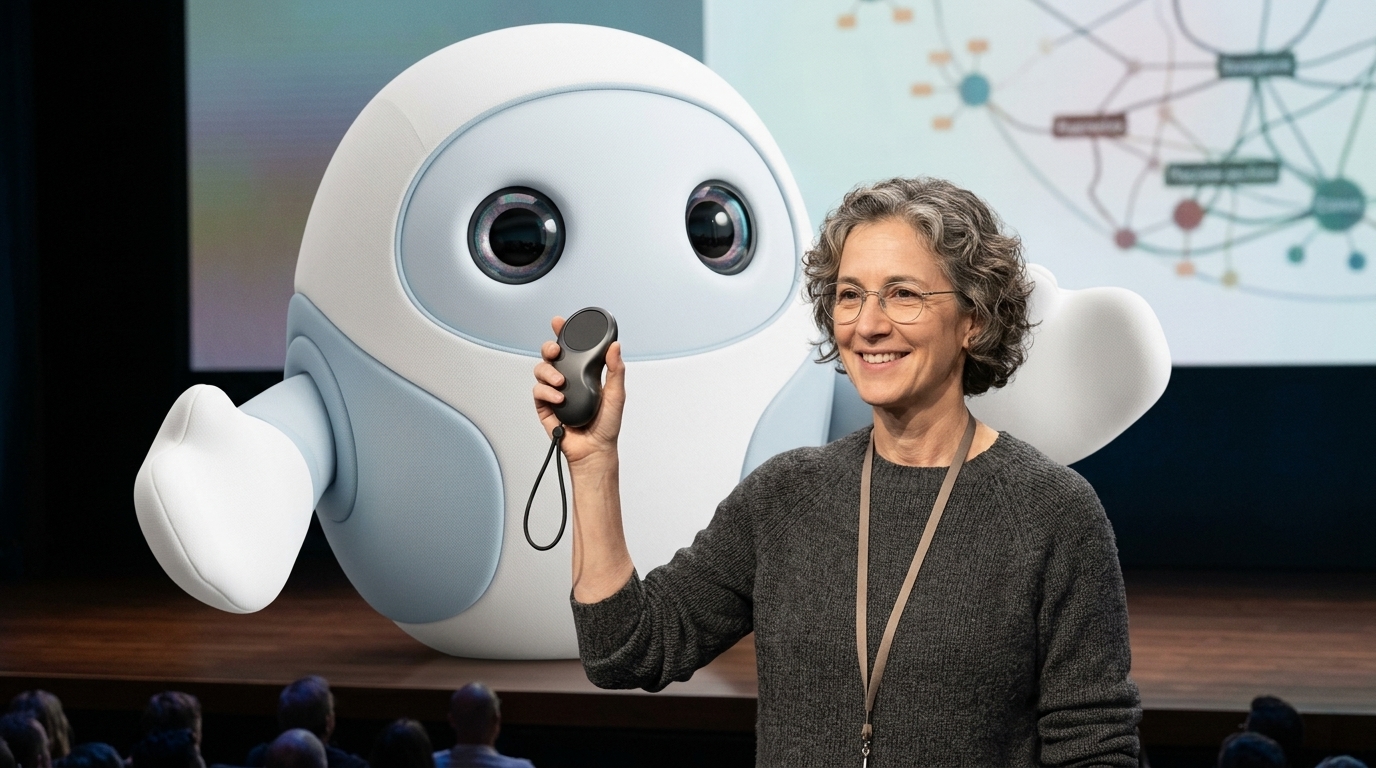
Meta’s new AI agent, Muse, is represented by a mascot named Jolly—an adorable, cuddly creature that users can dress up like a doll. Despite its distinctly "kawaii" aesthetic, the product is strictly restricted to users aged 18 and over. This contradiction between design and age policy has sparked intense debate over the company's intentions.
The Strategy of Delight
At the recent Meta Connect event, CEO Mark Zuckerberg showcased his own Jolly mascot wearing a toga and laurel wreath. Mona Sarantakos, VP of Product Management at Meta Superintelligence Labs, described the design as leaning into "delightful" elements to make AI interaction feel less awkward than chatting with a corporate logo. However, youth advocates like Fairplay’s Josh Golin argue that the character’s rounded shapes are clearly designed to appeal to very young children, even preschoolers.
Privacy and Disarming Design
The "cute factor" may serve a deeper purpose. Harvard associate professor Julian De Freitas suggests these features make the product seem less threatening, a vital move for Meta following its $16.7 billion settlement regarding social media addiction. Experts also warn that such endearing designs can make users drop their guard regarding privacy. Notably, Meta trains its AI models on Muse interactions unless a user actively opts out.
Upcoming Hardware and Security
Meta plans to launch the Muse Charm, a Tamagotchi-style device, later this year, further raising alarms among regulators. To address privacy concerns, the company has announced a "confidential" version of the virtual machine powering Muse for late 2026, which aims to cryptographically prevent Meta from accessing user data. Nevertheless, experts compare using such agents to relying on a tour guide whose underlying incentives remain opaque to the traveler.