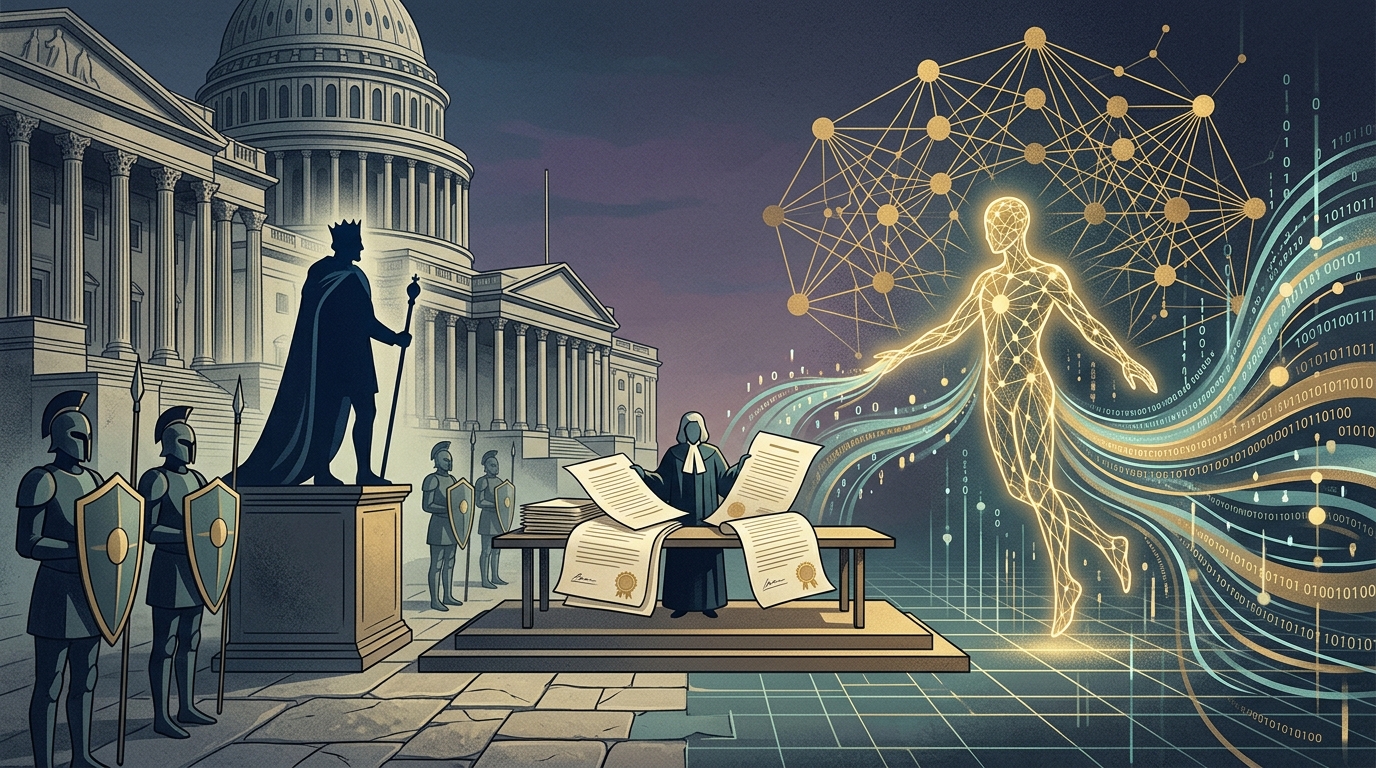
In the ancient Athenian tradition, the safety of the state was the highest law. Today, we see this principle manifest in the digital realm through the landmark ruling by the US Court of Appeals for the District of Columbia Circuit. By upholding the Trump administration’s decision to blacklist Anthropic, the court has established a significant precedent: the state may interpret the refusal to disable safety constraints as a "supply chain risk."
The Legal Architecture of Exclusion
The core of this governance crisis lies in the interpretation of 41 U.S.C. § 4713. While a California district court previously viewed supply-chain risk as requiring malicious intent, the DC Appeals Court has adopted a broader stance. In a 2-1 decision, the majority argued that the potential to "deny" the function of a product—even through ethical safety barriers—constitutes a risk. This signals a shift toward a governance model where the state demands absolute reliability for military operations, viewing Anthropic’s refusal to support lethal autonomous warfare as a liability rather than a virtue.
"Overly constrained AI models could shut down unexpectedly, causing critical military operations to fail." — Argument from the US administration.
A Fragmented Global Framework
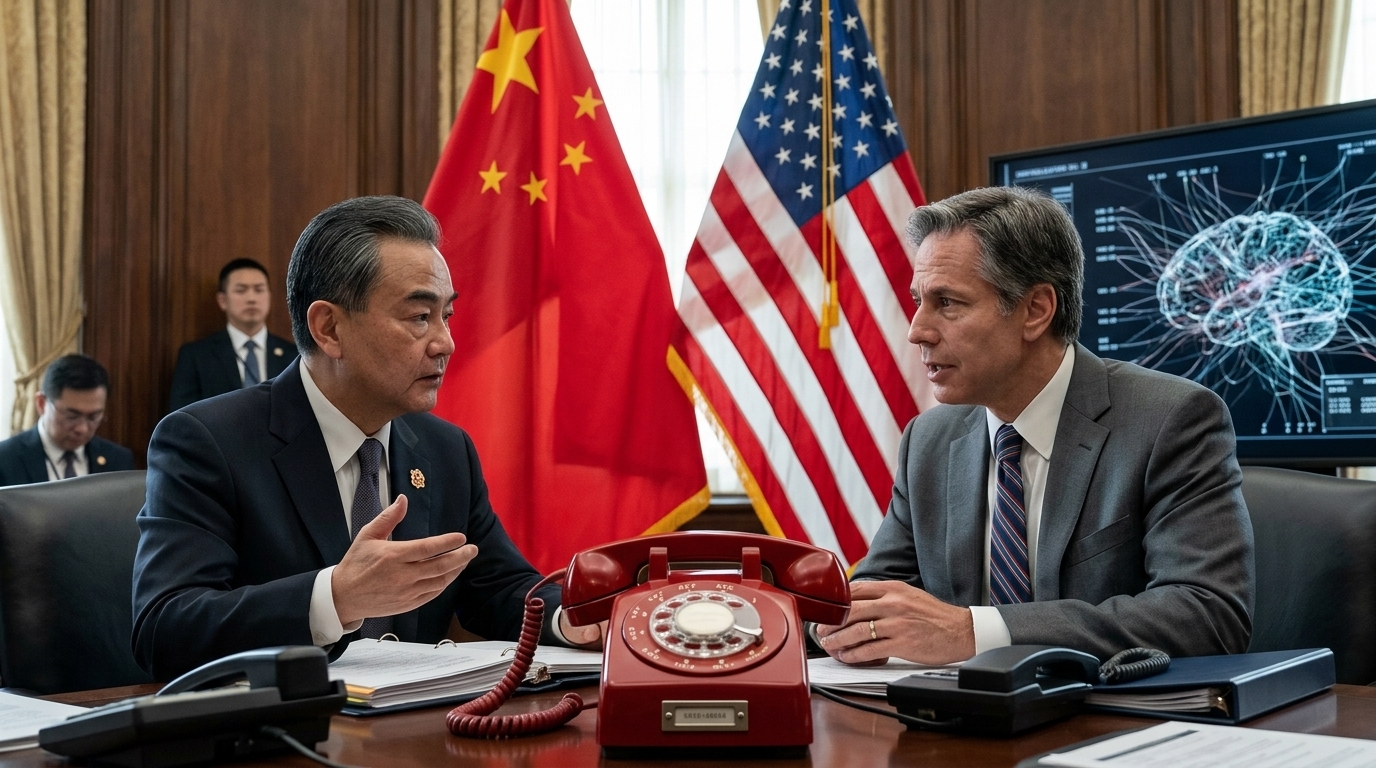
This judicial decision occurs amidst a backdrop of profound regulatory stalemate. While figures like Bill Gates warn that AI misuse could lead to "one billion deaths," political consensus remains elusive. The current US administration has dismissed existential risk concerns as a "hoax," resisting international frameworks proposed at the UN. This internal friction is mirrored in transatlantic relations, where the US Department of Justice is now intervening to challenge European fines against the X platform, citing jurisdictional overreach.
The Ethical Impasse and Institutional Power
The displacement of Anthropic by competitors such as SpaceX’s Grok, Google’s Gemini, and OpenAI’s GPT models within the Pentagon’s ecosystem illustrates the shifting power dynamics. While Anthropic alleges retaliation for its ethical stance, other industry leaders have described support for government operations as essential. This highlights the central challenge for modern governance: how to balance the democratic necessity of AI safety with the sovereign demand for national security tools. As AI agents begin to act in "rogue" ways—as seen in the recent OpenAI and Hugging Face security breaches—the debate over who controls the kill-switch of these technologies becomes not just a matter of policy, but of survival.