The arrival of summer in Greece does not only signal the start of the tourist season but also the resurgence of a long-standing debate regarding the quality of bathing waters, especially in the densely populated region of Attica. For 2026, the annual report by the Panhellenic Center for Ecological Research (PAKOE) has dropped a series of 'bombshells' on areas considered popular destinations for Athens residents, highlighting a severe deficit in sewage infrastructure and wastewater treatment.
The research, conducted through sampling during May and June, examined hundreds of points along the Attica coastline, from Piraeus and Elefsina to Sounio and Oropos. The results are revealing: a significant percentage of samples were found to exceed the permissible limits for coliforms and enterococci, indicators that suggest direct or indirect pollution from urban sewage.
Areas in the 'Red'
According to PAKOE data, the areas traditionally presenting the greatest problems remain the same, suggesting a stagnation in resolving the structural causes of pollution. The areas of Elefsina, Aspropyrgos, and parts of Salamis are at the top of the list of unsuitable beaches. Industrial activity combined with inadequate monitoring of waste discharge appears to have burdened the marine ecosystem for decades.
However, concern also extends to the so-called 'Athenian Riviera.' Although many beaches from Glyfada to Vouliagmeni are deemed suitable, specific points near storm drain outfalls or areas with intense port activity showed marginal or prohibitive values. In Eastern Attica, areas like Oropos and certain spots in Loutsa also presented issues, primarily due to increased residential pressure and the absence of integrated sewage networks in many settlements.
- Piraeus (Peiraiki, Freattyda): Frequent exceedances due to proximity to the port.
- Elefsina - Aspropyrgos: Almost all coasts are deemed unsuitable.
- Oropos: Specific points near stream estuaries.
- Salamis: Areas adjacent to shipyards and settlements without biological treatment plants.
Methodology and the Clash with the State
PAKOE utilizes internationally recognized analysis methods, focusing on microbiological parameters such as Escherichia coli and intestinal enterococci. The presence of these microorganisms in the water poses a direct risk to bathers' health, as it can cause anything from simple dermatitis to severe gastroenteritis and urinary tract infections.
"Public health cannot be sacrificed on the altar of tourism promotion. Citizens have the right to know where they can swim safely," representatives of the organization stated.
However, every year a heated dispute breaks out between PAKOE and state bodies, such as the Ministry of Environment and the Special Secretariat for Water. Official bodies often challenge PAKOE's results, arguing that their own samplings, conducted based on the European Bathing Water Directive, show that the vast majority of Greek coasts are of excellent quality. This confusion leaves the citizen caught between two different realities.
Impact and the Need for Infrastructure
Beyond the obvious health risk, the 'blacklist' has serious economic implications. Beaches deemed unsuitable see their commercial value plummet, while local catering and tourism businesses suffer a blow. The solution is not to silence the problem but to accelerate infrastructure projects.
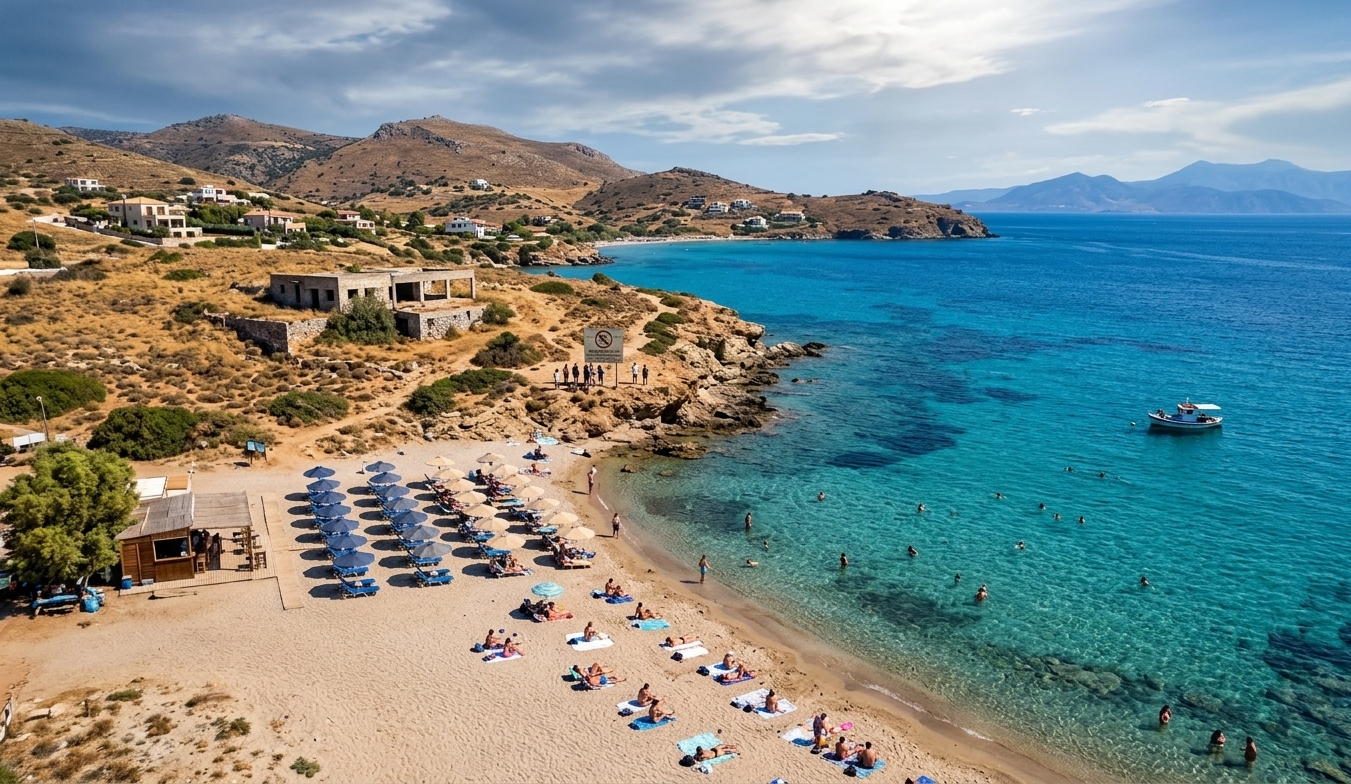
Greece has been repeatedly condemned by the European Court of Justice for the lack of biological treatment plants in dozens of settlements in Eastern Attica. Although large projects have begun in recent years, implementation rates remain slow. The completion of these networks is the only guarantee that future PAKOE reports will not include the same 'blacklists.' Until then, bathers' caution and adherence to beach signage remain the only line of defense.