While global markets often focus on the fiscal challenges of the U.S. and Europe, China is facing an escalating debt crisis that threatens to derail its economic trajectory. According to recent estimates from the Conference Board and CSIS, debt-servicing payments now account for 19% to 19.2% of the central government’s general public budget, surpassing the 14% seen in the United States.
A Growing Fiscal Burden
The speed at which these costs are rising is unprecedented. China’s interest payments skyrocketed 341% between 2013 and 2025, marking the fastest-growing budget category. For comparison, spending on defense increased by 141% and social security by 207% over the same period.
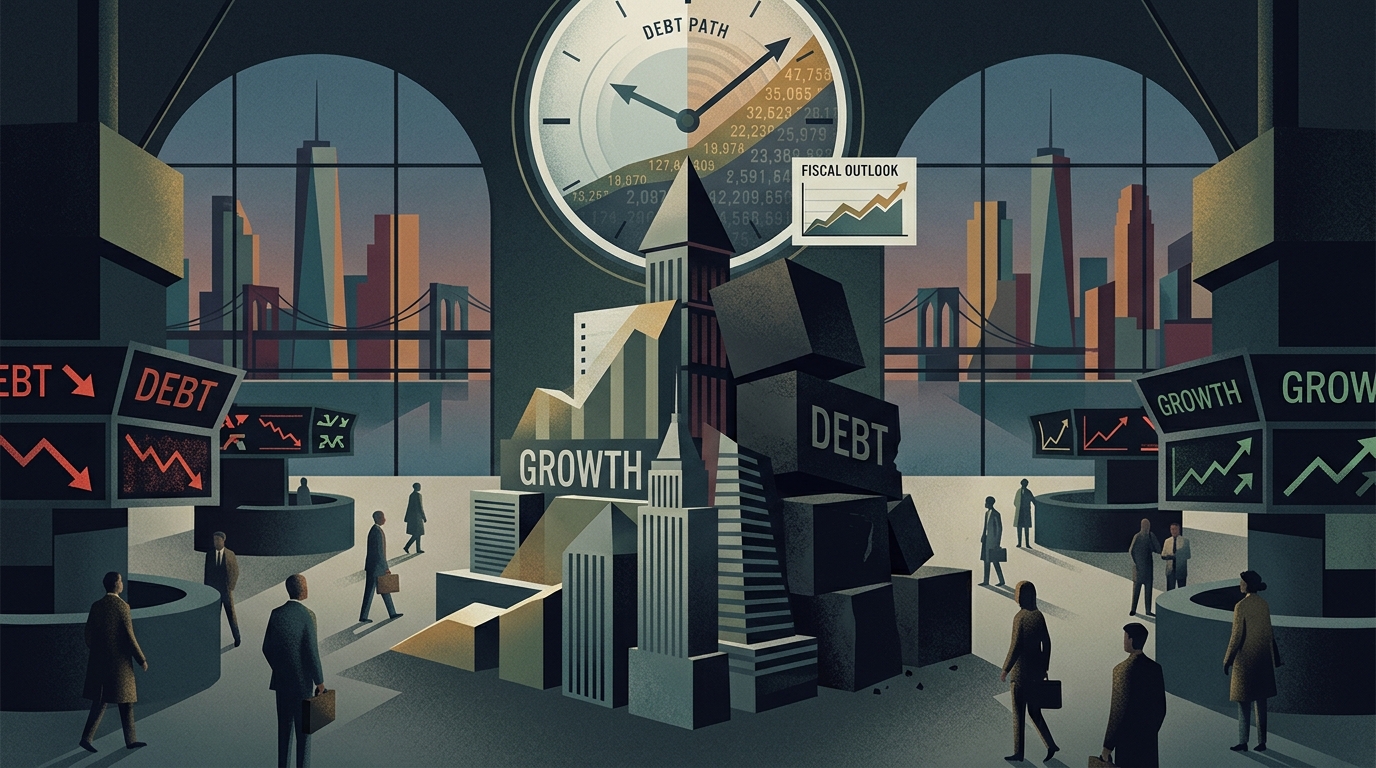
The state-led growth model appears to be running out of steam. Beijing has directed state banks to fund priority sectors such as electric vehicles and artificial intelligence, but the pressure to lend has channeled capital toward questionable borrowers. Business debt has doubled since 2019, while revenues have only grown by 30%. Nearly a third of these firms are now losing money.
Diverging Economic Paths
Despite U.S. debt remaining at concerning levels—with interest spending reaching $1 trillion—the two economies are moving in opposite directions. The U.S. economy is accelerating, fueled by the AI boom and resilient consumer spending. In contrast, China’s GDP is decelerating and is on pace to fall short of its annual target of 4.5%-5%.
According to the International Monetary Fund, China’s general government gross debt hit 107% of GDP this year, up from 41% in 2015. When the private sector is included, the total debt-to-GDP ratio exceeds 300%, whereas the U.S. ratio has dropped to 265%.
“The irony is that one driver of both government borrowing and the lax lending standards of state-owned banks is the desire to prop up economic growth,” notes Mark Williams, chief Asia economist at Capital Economics.