June 14, 2026, marks a significant moment in the Orthodox calendar as the Church honors the memory of the Athonite Fathers. This moveable feast, celebrated on the second Sunday of Matthew—immediately following All Saints' Sunday—highlights the spiritual heart of Hellenism and Orthodoxy: Mount Athos. Simultaneously, the day is dedicated to the Prophet Elisha, the faithful disciple of the Prophet Elijah, whose life and work continue to inspire centuries later.
Mount Athos as a Spiritual Lighthouse
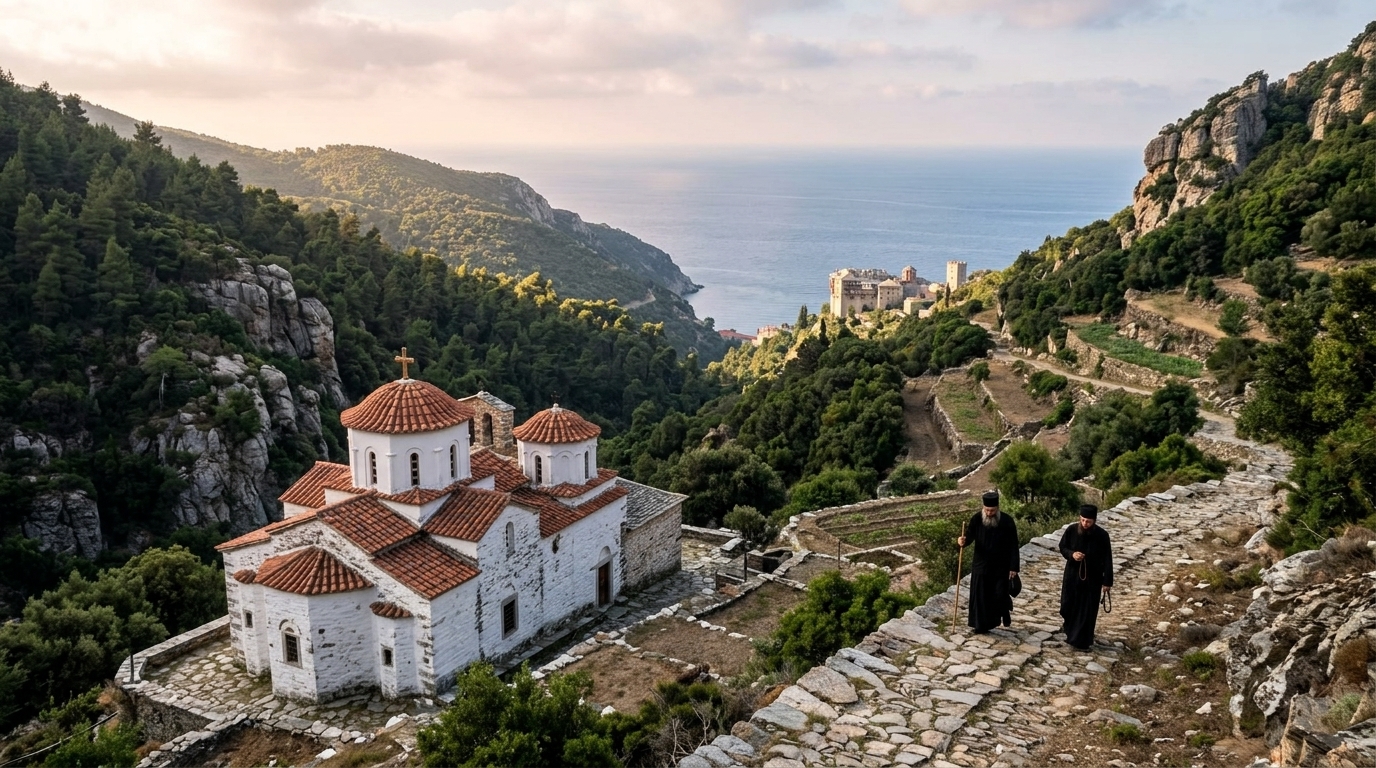
The celebration of the Athonite Fathers is not merely a religious ceremony; it is an acknowledgement of the thousand-year contribution of the Athonite State to global civilization. Since the founding of the Great Lavra by Saint Athanasius the Athonite in 963 AD, the "Garden of the Virgin Mary" has been a sanctuary for scholars, ascetics, and saints who shaped Christian thought. The Fathers honored today are not only those officially canonized but also the thousands of anonymous monks who, through prayer and labor, kept tradition alive.
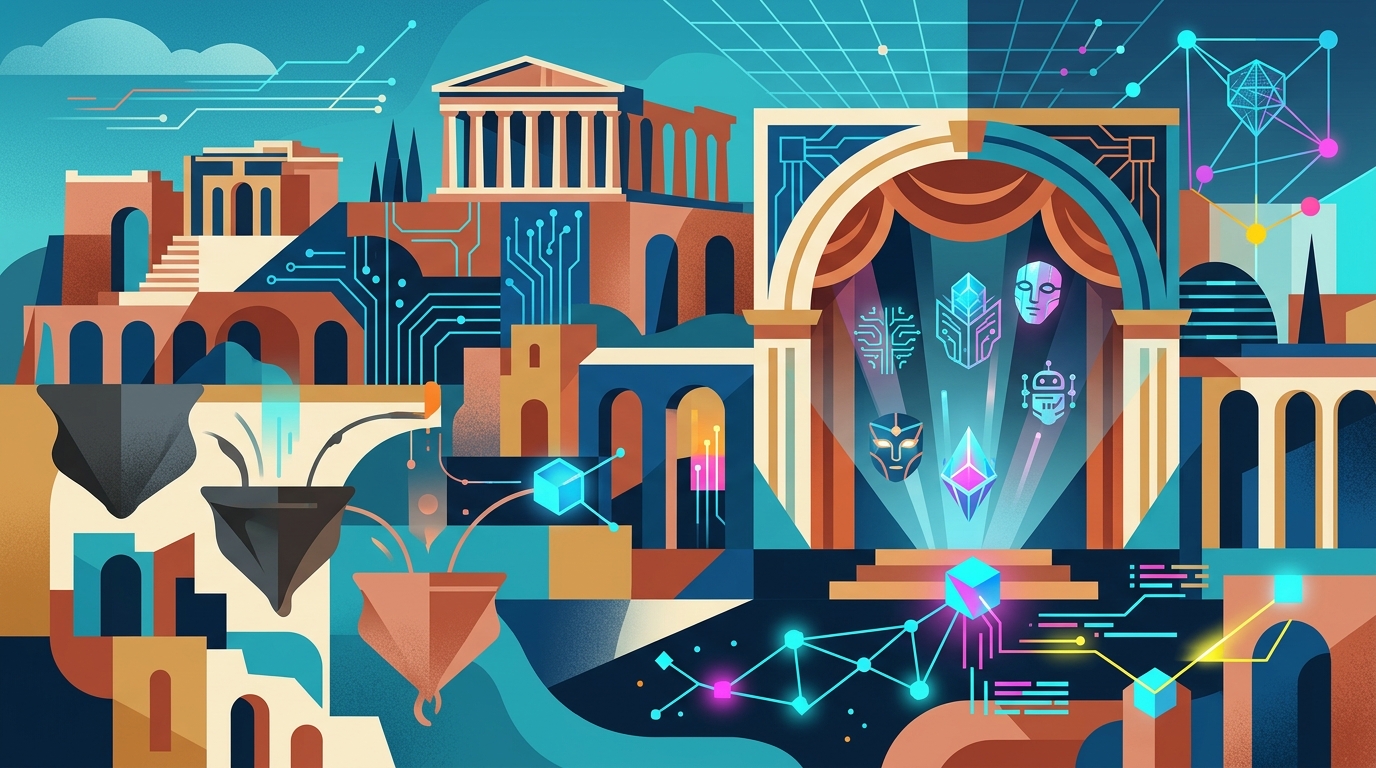
The significance of Mount Athos transcends religious boundaries. As a UNESCO World Heritage site, it houses priceless treasures: manuscripts, icons, and relics that form a bridge between modern Greece and Byzantium. However, its true value lies in "hesychasm"—the inner peace sought by monks—a concept that feels more necessary than ever in the noisy 21st century of artificial intelligence and constant distraction.
Prophet Elisha: The Transmission of Grace
Co-celebrated today, the Prophet Elisha reminds us of the importance of spiritual succession. When Prophet Elijah was taken up to heaven, Elisha asked for and received a "double portion" of his master's spirit. His ministry, filled with miracles and social service, highlights another aspect of faith: action within the world to alleviate human suffering.
- Miracles: Elisha healed the waters of Jericho and resurrected the son of the Shunammite woman, demonstrating the power of faith over nature and death.
- Social Justice: He often intervened on behalf of the weak, confronting the corruption of the rulers of his time.
- Modern Connection: Elisha symbolizes the individual who does not remain complacent but uses their gifts for the common good.
Tradition in the Post-Modern Era
In an era where Greece is transforming rapidly, these feasts act as spiritual counterweights. The Sunday of the Athonite Fathers invites us to reflect on the concepts of measure and self-restraint. In the consumerist society of 2026, the monks' message of "voluntary poverty" and inner wealth presents a radical life proposal. This is not a regressive trend but an alternative worldview that places the human soul at the center, rather than material goods.
"Mount Athos is not a place belonging to the past, but a living organism that breathes in the present and prays for the future."
The preservation of the calendar and traditions is not a sterile attachment to forms. It is the preservation of the collective memory of a people who learned to survive through the straits of history, drawing strength from their faith. Today, June 14, those named Elisha and Niphon celebrate, reminding us that every name carries a story and a heavy legacy.
Conclusions for the Modern Citizen
As technological developments accelerate, the need for spiritual grounding becomes imperative. The Athonite Fathers teach us that true progress is not measured only by processor speeds but by the depth of human consciousness. Today's feast is an opportunity for a pause, reflection, and reconnection with the roots that keep us standing in a constantly changing world.