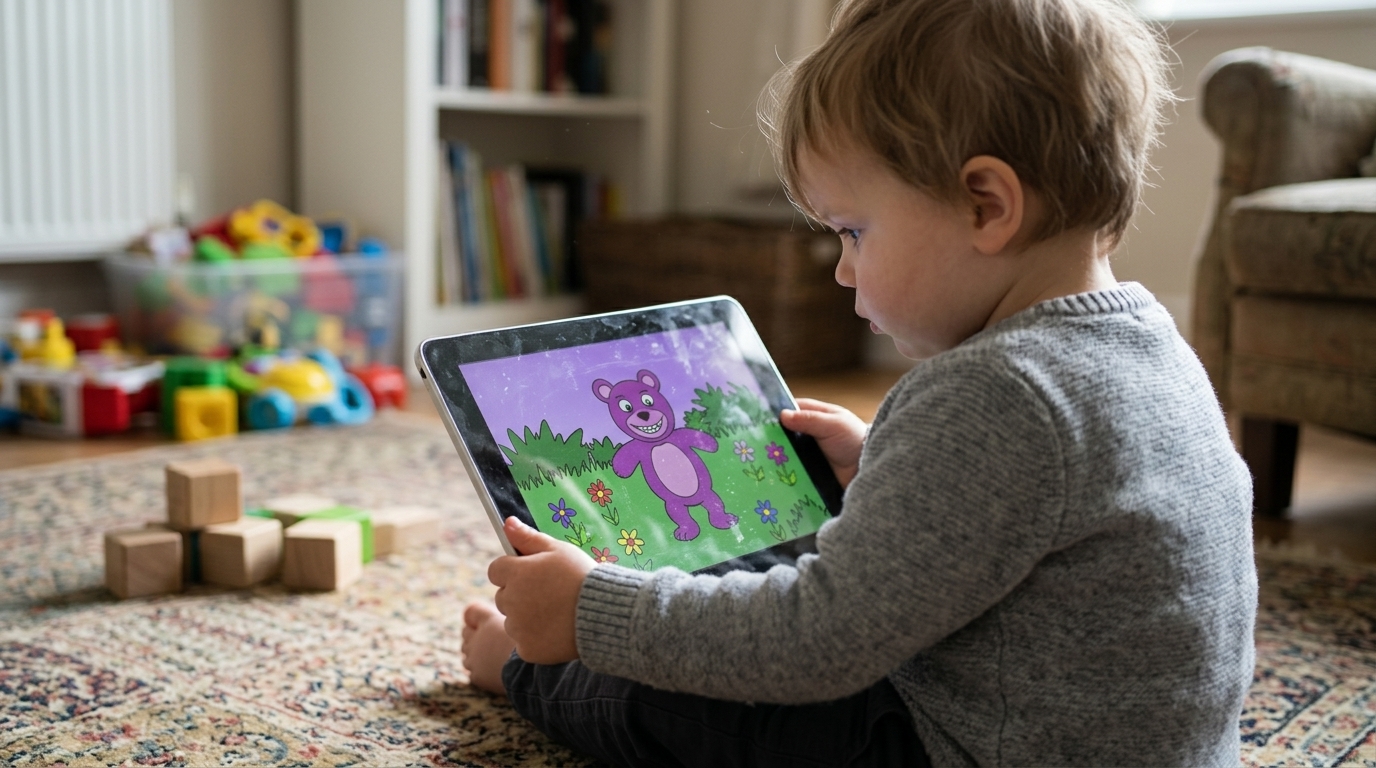
In the rapidly evolving world of digital entertainment, a silent revolution is taking place on the screens of the most vulnerable users: our children. What was once the domain of specialized animators and educators is now being transformed into an industry of "ghost content," where generative AI algorithms tirelessly create videos of lullabies, educational songs, and surreal stories. According to recent analyses, more than 50% of children-oriented videos on TikTok now bear the hallmarks of AI production, a development that radically alters the landscape of early childhood education.
The Industry of Automated Content
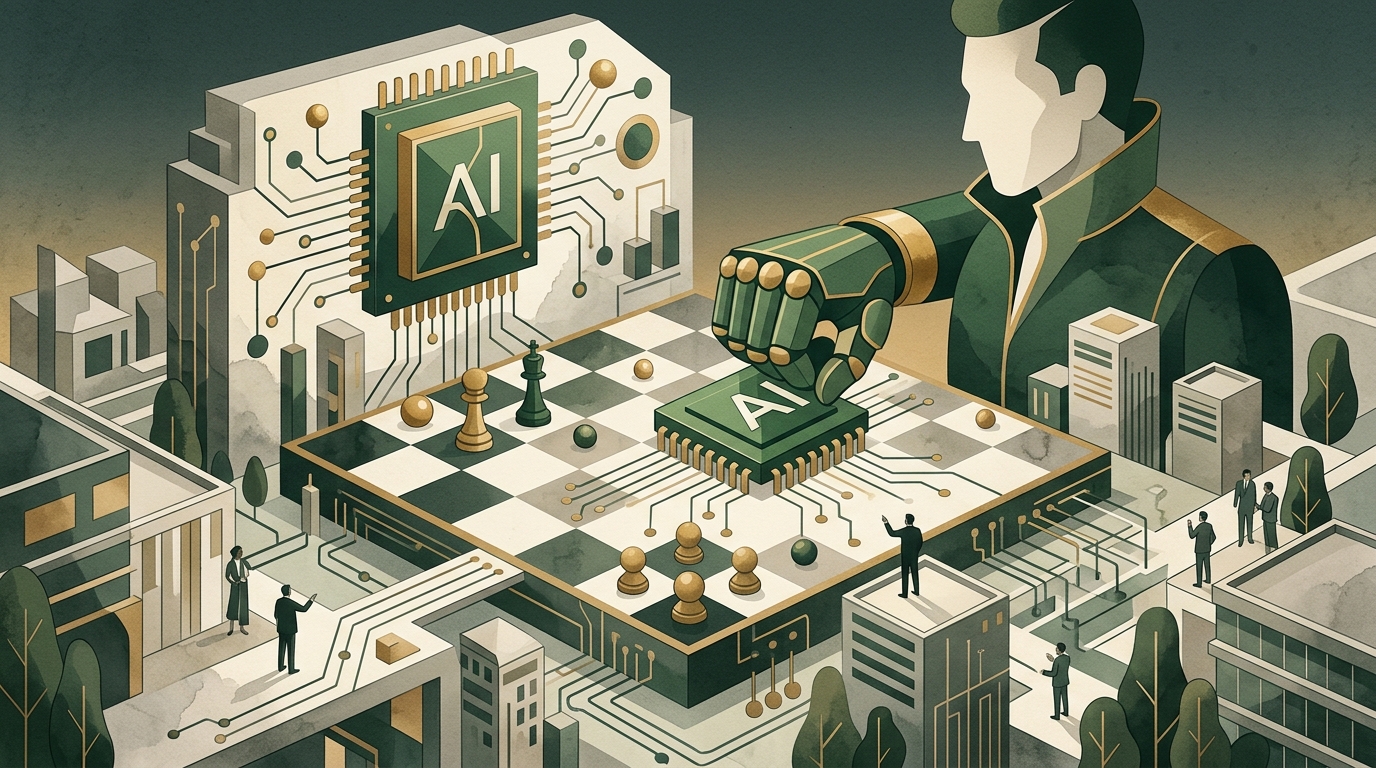
The rise of tools like OpenAI’s Sora, Runway, and Kling has made high-resolution video creation accessible to anyone with an internet connection. For content creators, the motivation is purely financial. Producing a traditional animated episode used to require weeks of labor and significant capital. Today, a user can produce hundreds of videos a day using prompts that combine popular keywords like "colors," "animals," and "nursery rhymes." The result is a flood of videos that, while visually appealing, often lack logical coherence, emotional depth, and pedagogical value.
- Mass production with near-zero creation costs.
- Use of algorithmic trends to maximize watch time.
- Lack of human oversight in the final product.
- Creation of "digital noise" that drowns out quality creators.
The Psychology of the Uncanny Valley and Child Development
Child psychology experts are expressing serious concerns about how these videos affect the developing brain. AI content often presents what scientists call the "Uncanny Valley"—figures that look human but have unnatural movements, distorted limbs, or vacant stares. For a preschooler, the ability to interpret facial expressions and body language is fundamental to developing empathy. When the content they consume is synthetic and often nonsensical, there is a risk of confusing reality with artificial representation.
"This isn't just about poor-quality cartoons. It's about a distortion of the visual stimuli a child receives during a critical phase of neurological development," notes a study focusing on exposure to synthetic media.
Economic Incentives and the Attention Economy
The problem is exacerbated by platform algorithms, which are designed to recommend content that keeps the user engaged. AI videos are optimized to "hack" children's attention through bright colors, repetitive rhythms, and constant scene transitions. This creates a vicious cycle: creators produce more AI content because the algorithm promotes it, and the algorithm promotes it because children, captivated by the visual stimuli, watch it without interruption. The ad-based economy of YouTube Kids and TikTok turns childhood into a profit center for anonymous "content farms."
Regulatory Gaps and Platform Responsibility
Despite the implementation of the EU AI Act in Europe, the labeling of AI-generated content remains voluntary or inadequate on most platforms. While Google and Meta have promised detection tools, the speed at which new material is produced outpaces the capacity for moderation. The need for stricter filters, especially in apps intended for minors, is now imperative. Parents are called upon to be the "moderators" of content themselves, a task that seems impossible given the sheer volume of data.
Conclusions: A Return to Human Creativity
Artificial Intelligence is not inherently bad, but its application in children's entertainment without ethical boundaries is a dangerous experiment. The solution lies not just in bans, but in strengthening critical thinking and supporting creators who invest in human connection and pedagogical integrity. As we head toward a future where 90% of online content may be synthetic, safeguarding the authenticity of the childhood experience must be a priority for society, governments, and the tech industry.