The choice of Ankara as the venue for the recent 2026 NATO summit was neither accidental nor devoid of symbolism. In a period where the war in Ukraine has evolved into an exhausting contest of logistics and technological superiority, President Volodymyr Zelenskyy appeared before Alliance leaders with a plea that has echoed for years, but now carries the weight of existential urgency: the acceleration of advanced air defense system deliveries.
The Strategic Imperative of Air Defense in 2026
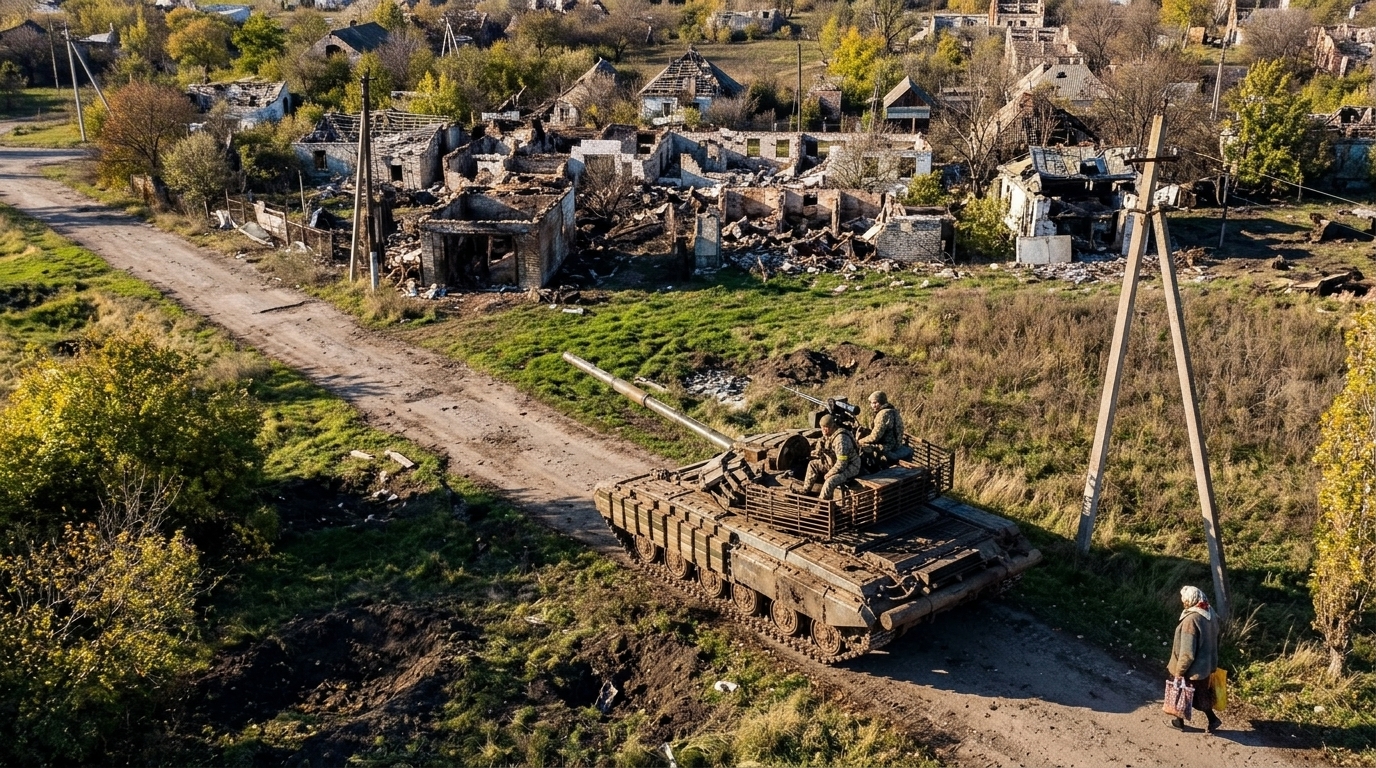
As we move through the summer of 2026, the nature of operations on the Ukrainian front has fundamentally shifted. Russia, having transitioned its military industry into full mobilization mode, is launching waves of attacks that combine ballistic missiles, kamikaze drones, and guided glide bombs. Ukrainian air defenses, while remarkably efficient, are under constant strain, with interceptor missile stockpiles depleting faster than they can be replenished.
Zelenskyy, speaking from the summit podium, emphasized that "every minute of delay in decision-making translates into lost lives and destroyed infrastructure." His request is not merely about the number of Patriot or SAMP/T launchers, but also the speed of integrating new artificial intelligence technologies that allow for the simultaneous tracking of hundreds of targets in environments of intense electronic warfare.
The Ankara Paradox and NATO Internal Cohesion
The Ukrainian leader's presence in the Turkish capital also highlighted Turkey's complex role. As the host, Tayyip Erdoğan attempted to balance his role as a NATO member with that of a mediator with Moscow. However, pressure from Kyiv and Eastern European allies for a "clear-cut solution" on air defense left little room for diplomatic ambiguity.
- The need for at least seven additional Patriot batteries to cover major urban centers.
- The acceleration of F-16 fighter deliveries, which now serve as flying air defense platforms.
- The creation of a "safety zone" in Western Ukraine supported by systems manned by allied personnel in neighboring countries.
Allies, while pledging further financial support, face the daunting reality of production capacity. Defense industries in Europe and the US, despite billions in investments, are struggling to keep pace with the consumption of munitions on the battlefield. This "production gap" is the greatest challenge the Alliance must bridge.
Technology and AI: The New Deciding Factor
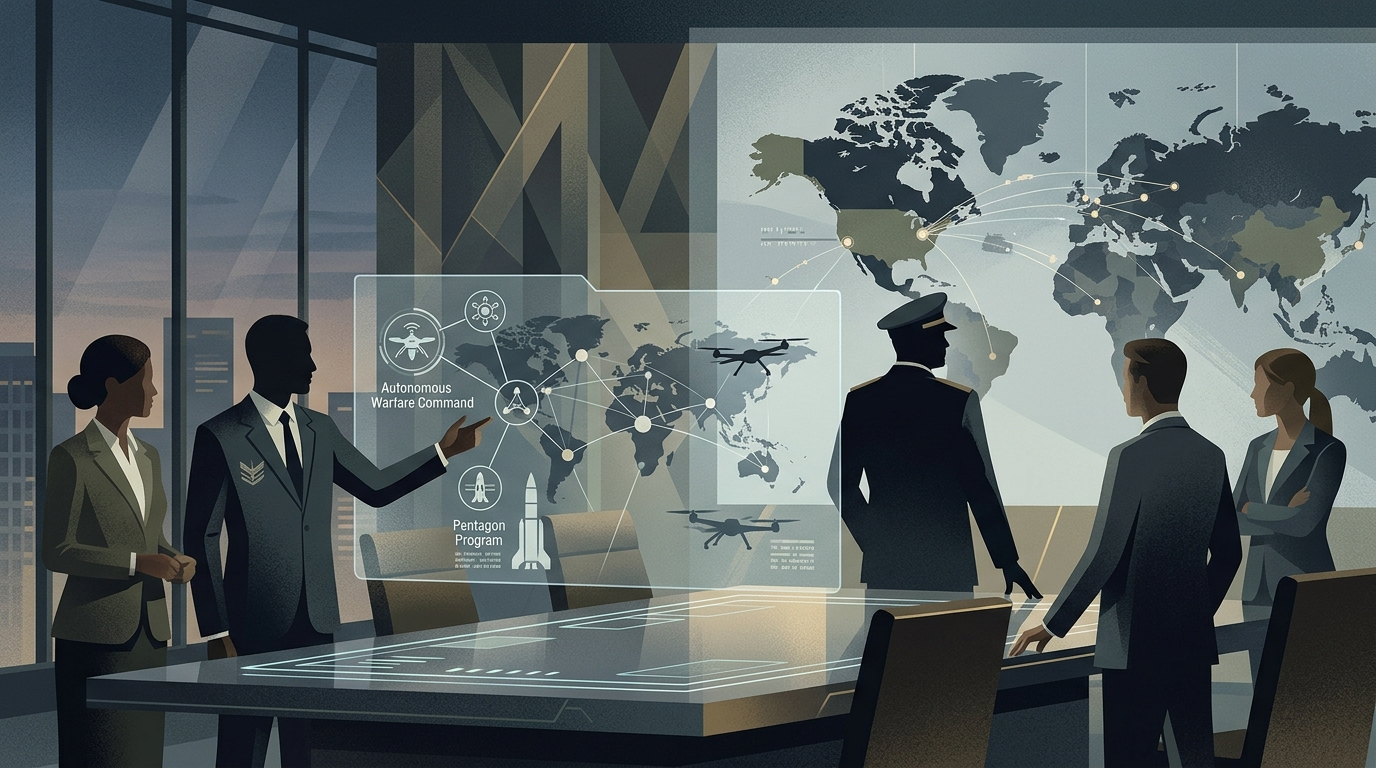
On the sidelines of the summit, the use of AI in air defense systems was discussed extensively. Ukraine has become the largest testing ground for algorithms capable of distinguishing between friendly and hostile drones in fractions of a second. Zelenskyy requested not just the "hardware" (the launchers), but also the "software" (the intelligence), seeking a technological edge that would make Russian attacks economically unsustainable for the Kremlin.
"We are not asking others to fight for us. We are asking for the tools that will make our skies impenetrable, allowing our economy to breathe and our citizens to return to their homes," the Ukrainian President stated.
The conclusion of the Ankara summit left a bittersweet aftertaste. While new commitments for billions in military aid were made, the delivery timelines remain blurred. For Kyiv, time is not just money; it is the very survival of the state against an adversary betting on Western fatigue. History will judge whether the Ankara summit was the moment the West finally decided to "close the sky" or if it will remain another exercise in diplomatic rhetoric.