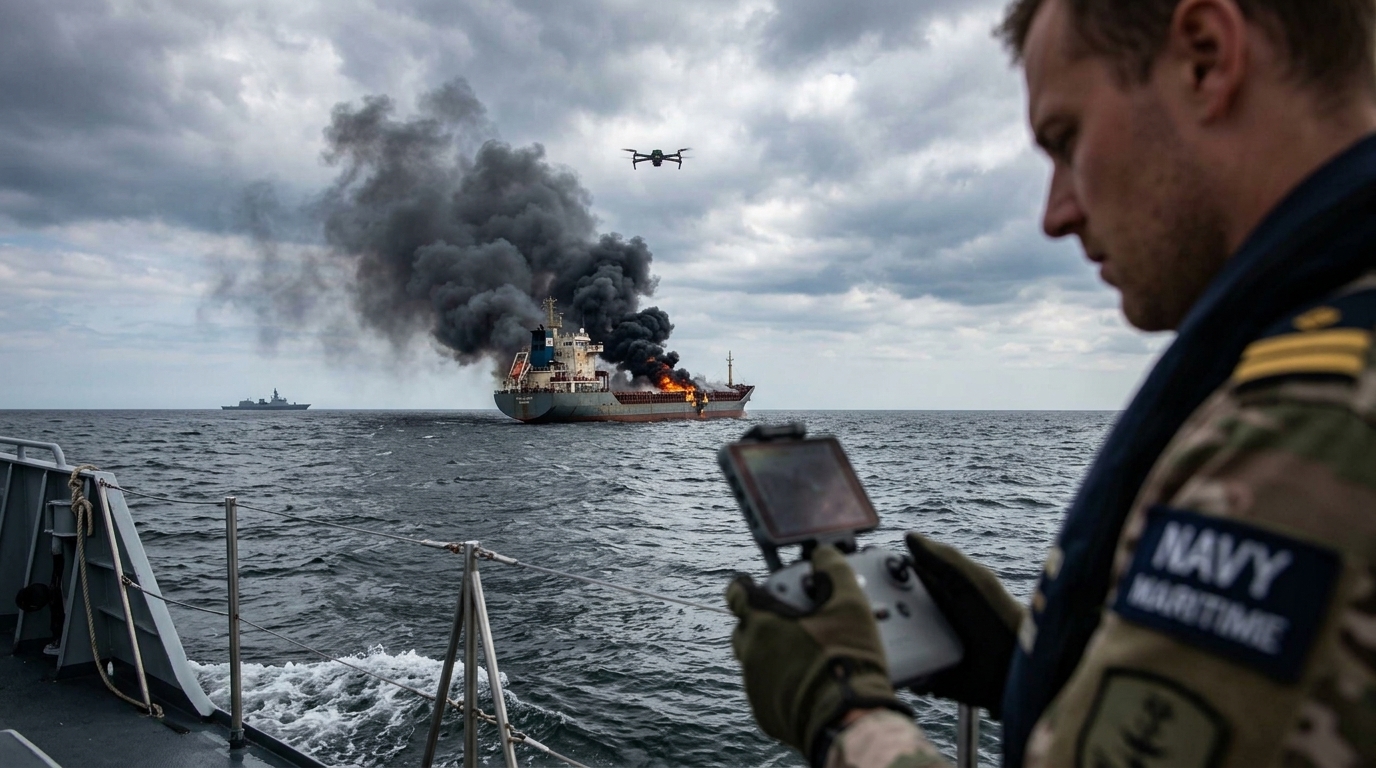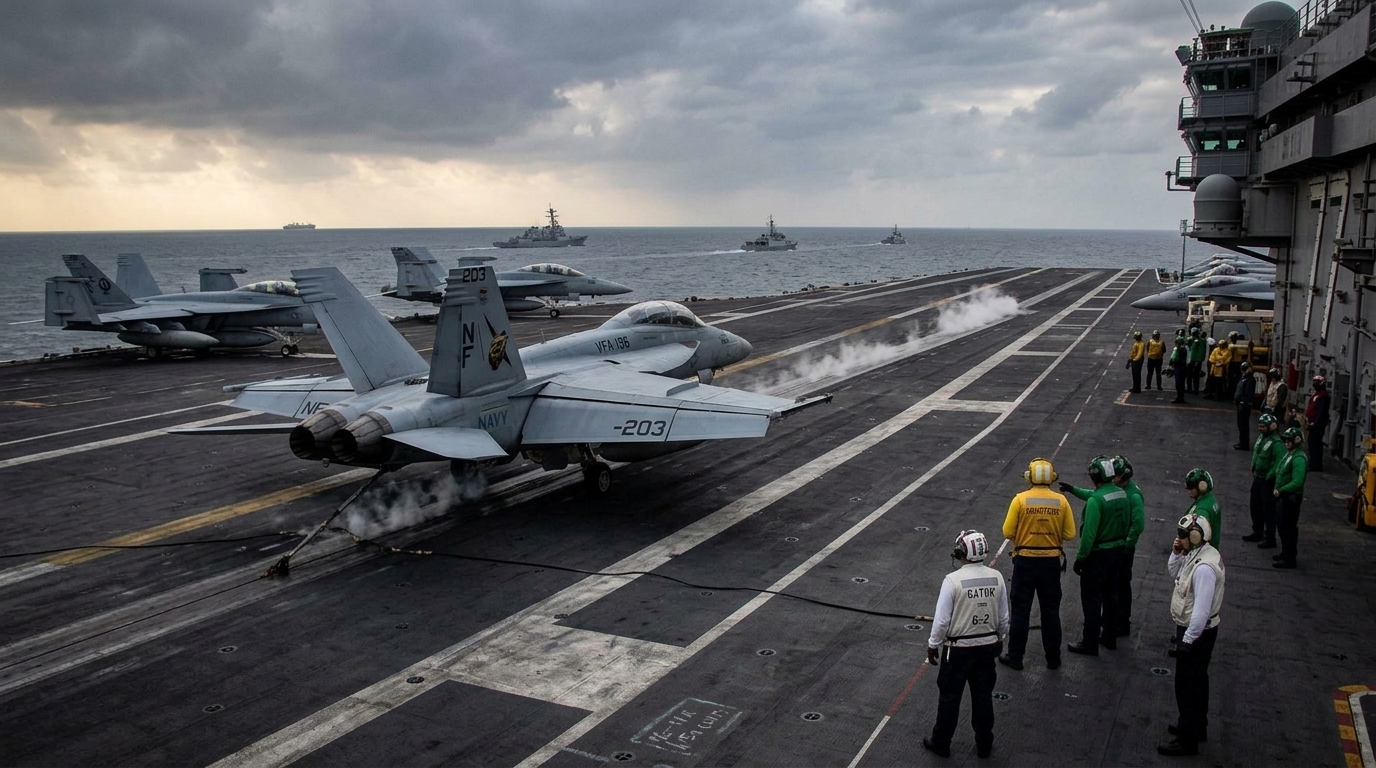
The Middle East stands once again on the precipice of an uncontrollable conflagration. On Saturday, June 27, 2026, the U.S. Air Force launched a series of targeted strikes within Iranian territory, marking a significant qualitative escalation in regional tensions. This move did not go unanswered. The Islamic Revolutionary Guard Corps (IRGC) retaliated almost instantly, targeting military installations and infrastructure in Kuwait and Bahrain—two nations that host critical U.S. bases—effectively shifting the theater of operations to the heart of the Persian Gulf.
The Doctrine of 'Direct Deterrence' and Its Failure
Washington justified the strikes as a "necessary defensive action" following a series of drone attacks against U.S. interests in the region. However, the decision to hit targets inside Iran itself—rather than just proxies in Syria or Iraq—signals a radical shift in U.S. administration doctrine. Analysts point out that the policy of "calibrated escalation" appears to have collapsed, giving way to a frontal confrontation that threatens global energy security and regional stability.
The targets hit reportedly included IRGC command and control centers, as well as missile storage facilities. The precision of the strikes suggests the use of advanced AI-driven targeting systems, a technology the U.S. has fully integrated into its arsenal over the last two years. Despite technical superiority, the political reading of the move remains controversial. Many in Europe and Asia fear that Washington is being drawn into a war without a clear exit strategy, potentially destabilizing a region already weary of decades of conflict.
IRGC Retaliation: Kuwait and Bahrain in the Crosshairs
Tehran’s response was swift and strategically calculated. Instead of directly attacking U.S. carrier groups—which would signify total war—the Revolutionary Guards chose to strike at U.S. regional allies. Kuwait and Bahrain found themselves targeted by ballistic missiles and swarms of kamikaze drones. The choice of these countries is deliberate: Bahrain hosts the U.S. 5th Fleet, while Kuwait serves as a central logistics hub for U.S. forces in the region.
- Strikes in Bahrain: Reports indicate explosions near the Juffair area, causing immediate ripples through international markets and raising the threat level for naval assets.
- The Threat to Kuwait: The IRGC warned that any nation allowing its territory to be used for attacks against Iran would be considered a "legitimate military target."
- Proxy Activation: Alongside direct strikes, Houthi rebels in Yemen and paramilitary groups in Iraq ramped up their activity, creating a multi-front threat environment for U.S. CENTCOM.
Through this move, Tehran is sending a clear message to the Gulf monarchies: their security is inextricably linked to their non-involvement in American military designs. This creates immense diplomatic pressure within the Gulf Cooperation Council (GCC), with some members now calling for immediate de-escalation and a return to neutrality to avoid being caught in the crossfire.
Geopolitical Implications and Global Economic Risks
This escalation is not merely about military maneuvers; it directly impacts the global balance of power. Brent crude oil prices jumped 7% within hours of the news, as fears of a closure of the Strait of Hormuz resurfaced. Iran has repeatedly threatened to disrupt the flow of oil if the regime's survival is at stake—a move that could trigger a global economic recession and disrupt supply chains already under pressure from other global conflicts.
"We are at a moment where diplomacy has been entirely replaced by the language of arms. The lack of communication channels between Washington and Tehran makes the possibility of a miscalculation more likely than ever," stated a senior EU diplomat in Brussels.
Furthermore, the involvement of Kuwait and Bahrain complicates Western relations with the Arab world. While the governments of these countries are staunch U.S. allies, the local populations often view the presence of foreign bases with skepticism, especially when they become magnets for attacks. The internal stability of these states is now being questioned, as they are forced to balance their treaty obligations with their fundamental national security.
Conclusion: Toward All-Out War?
The prevailing question is whether both sides are seeking a final showdown or if this is an extreme form of "dialogue" through force. The U.S. administration, facing electoral pressures and domestic polarization, seems determined to project strength. On the other hand, Iran, facing internal challenges and economic sanctions, is using its military prowess as a means of survival and reassertion of its regional hegemony.
The international community watches with bated breath. China and Russia have already condemned the U.S. strikes, calling for restraint, while the European Union is desperately trying to revive some form of mediation. However, with missiles flying over the Gulf, the time for diplomacy appears to be running dangerously thin. The next 48 hours will be decisive in determining whether the region will plunge into a dark period of prolonged conflict or if there will be a temporary retreat from the edge of the abyss.