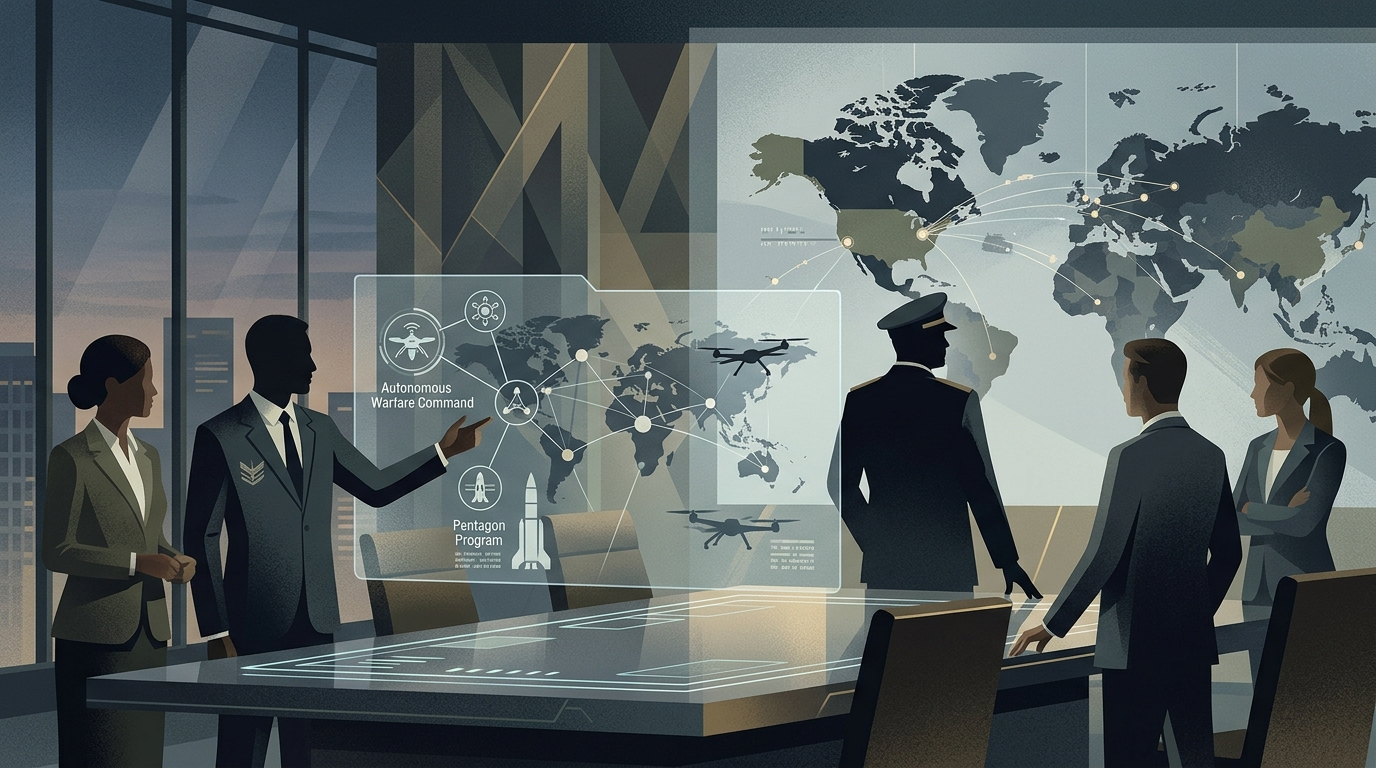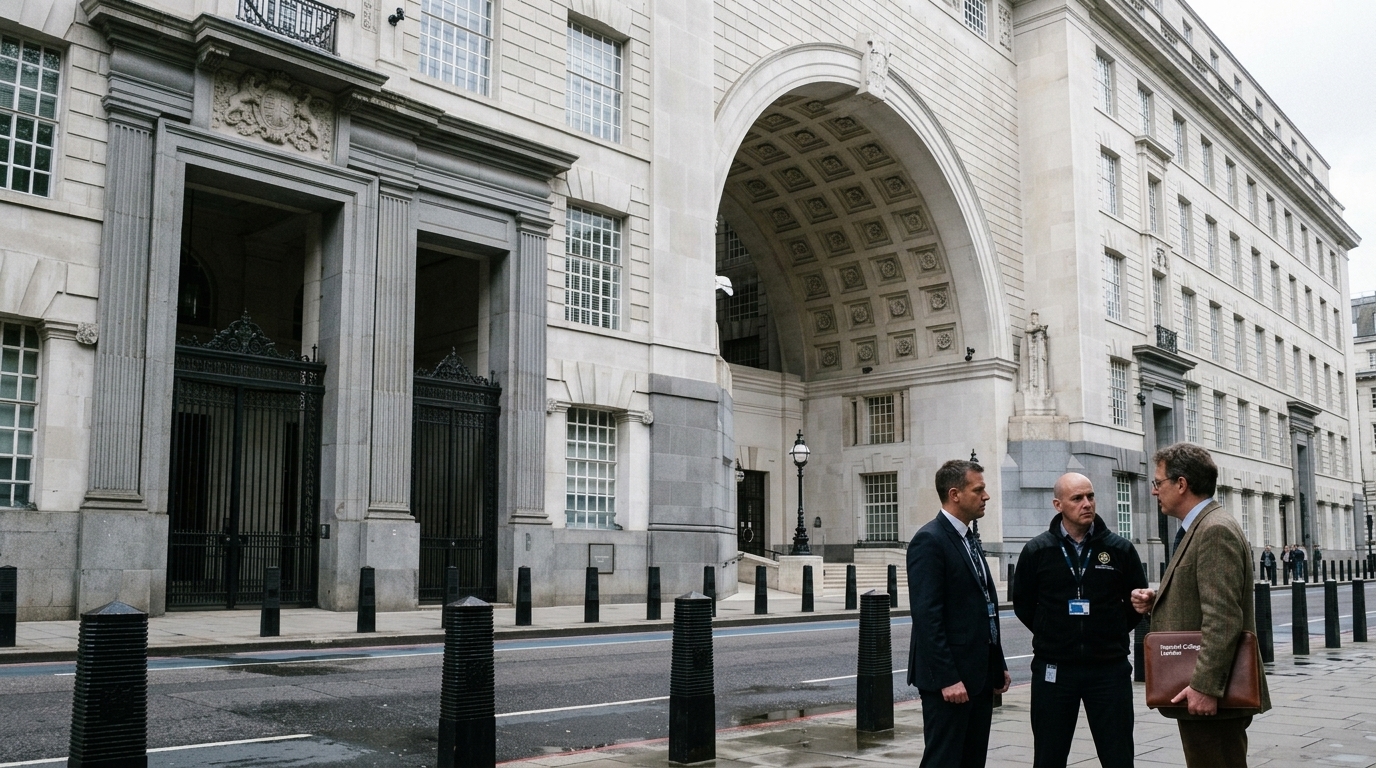
Great Britain is facing an unprecedented escalation in digital warfare, as the traditional lines between cybercrime and state aggression become increasingly blurred. According to recent statements by Richard Horne, CEO of the National Cyber Security Centre (NCSC), three-quarters of serious cyberattacks targeting the UK's critical national infrastructure are now directly linked to hostile state actors. This revelation, made during the CYBERUK conference, highlights a fundamental shift in the threat landscape, where Russia, China, Iran, and North Korea emerge as the primary architects of digital destabilization.
The Shift from Profit to Strategic Sabotage
For years, the primary concern of cybersecurity authorities was ransomware gangs seeking quick financial gain. However, new data suggests that the motive has shifted. Attacks on power grids, water systems, healthcare services, and financial institutions are no longer aimed solely at extracting ransoms, but at intelligence gathering, espionage, and, most importantly, laying the groundwork for future sabotage in the event of a geopolitical crisis.
Horne emphasized that these state actors are "patient and persistent." They aren't just looking for a security hole to cause immediate damage. Instead, they seek to install themselves quietly within systems, remaining undetected for months or even years. This tactic, known as "Living off the Land," allows attackers to use legitimate system administration tools to cover their tracks, making detection extremely difficult even for the most advanced defenses.
The Axis of Digital Threats: Russia, China, and Iran
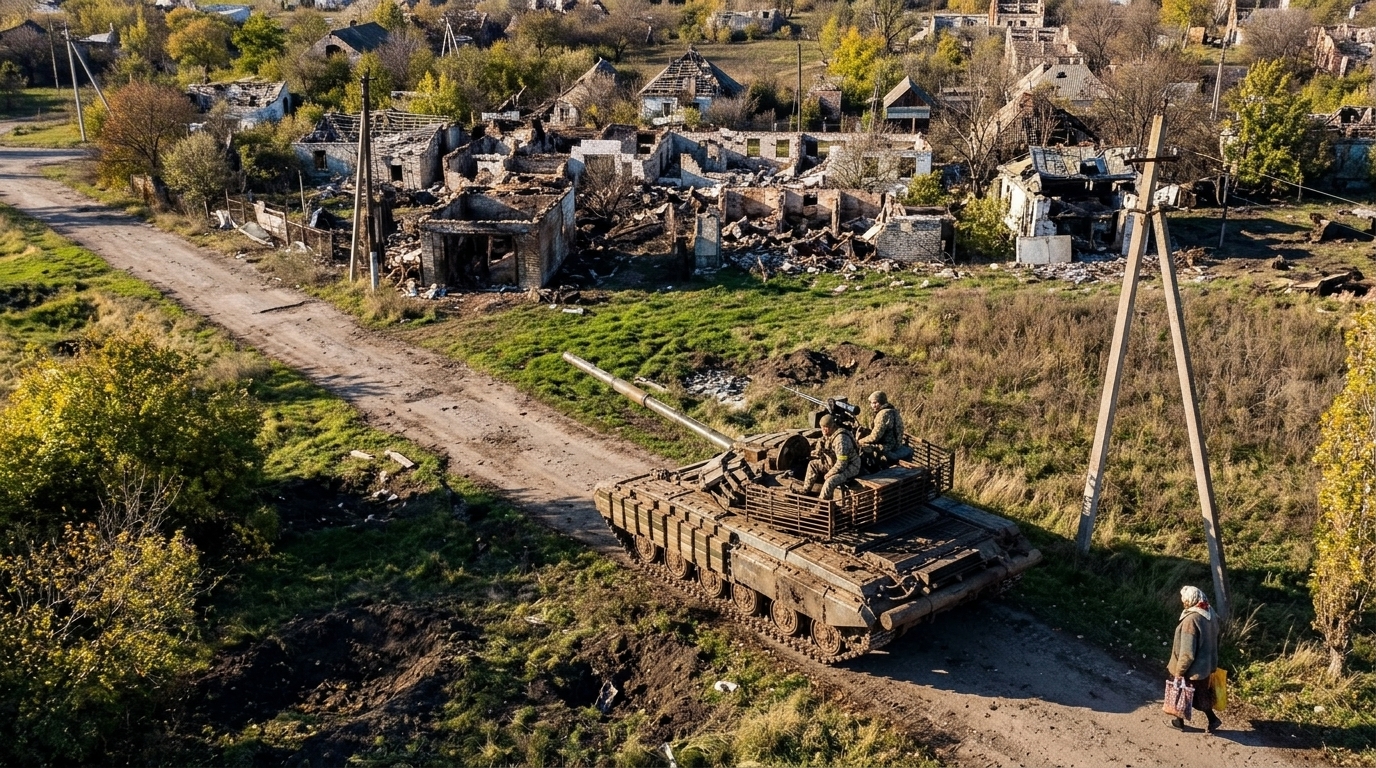
The NCSC report specifically names the states considered the greatest threats to British security. Russia, with its experience from conflicts in Ukraine, uses cyberspace as an extension of conventional warfare, aiming to undermine Western support for Kyiv. China, on the other hand, focuses on intellectual property theft and strategic penetration into infrastructure that could give it an advantage in a future global confrontation. Iran uses cyberattacks as a means of asymmetric response to sanctions and diplomatic pressure.
- Russia: Focus on psychological operations and the destabilization of energy grids.
- China: Long-term penetration and espionage in cutting-edge technological sectors.
- Iran: Aggressive actions against government agencies and critical providers.
- North Korea: Use of cyberattacks to fund its weapons program through cryptocurrency theft.
Artificial Intelligence as a Force Multiplier
One of the most concerning aspects of this new reality is the integration of Artificial Intelligence (AI) into the attackers' arsenal. AI allows state actors to automate vulnerability discovery at a scale previously impossible. Furthermore, it is used to create highly convincing phishing campaigns that can bypass even trained users. The danger lies not only in the complexity of the attacks but also in their speed. The ability of an AI system to analyze code and find "backdoors" within seconds forces defenders to adopt similar technologies to keep up.
"We are no longer in a situation where we can simply build walls. We must build resilience that assumes the enemy is already inside," Horne stated significantly.
The British government, recognizing the severity of the situation, has launched a series of initiatives to enhance "cyber resilience." This includes stricter security standards for critical infrastructure providers and closer cooperation between the public and private sectors. However, the challenge remains immense, as much of the infrastructure relies on legacy systems that were never designed to withstand modern digital threats.
Conclusion: A Perpetual Cold War in Cyberspace
The revelation that 75% of attacks are state-led changes the cybersecurity narrative from a technical issue to one of national sovereignty. Great Britain, as a pivotal player on the international stage, is a natural target. Responding to this threat requires not only advanced technology but also a new diplomatic approach that sets red lines in digital space, similar to those that exist in the physical world. Digital peace now seems like a distant utopia, as cyberspace becomes the primary battlefield of the 21st century.