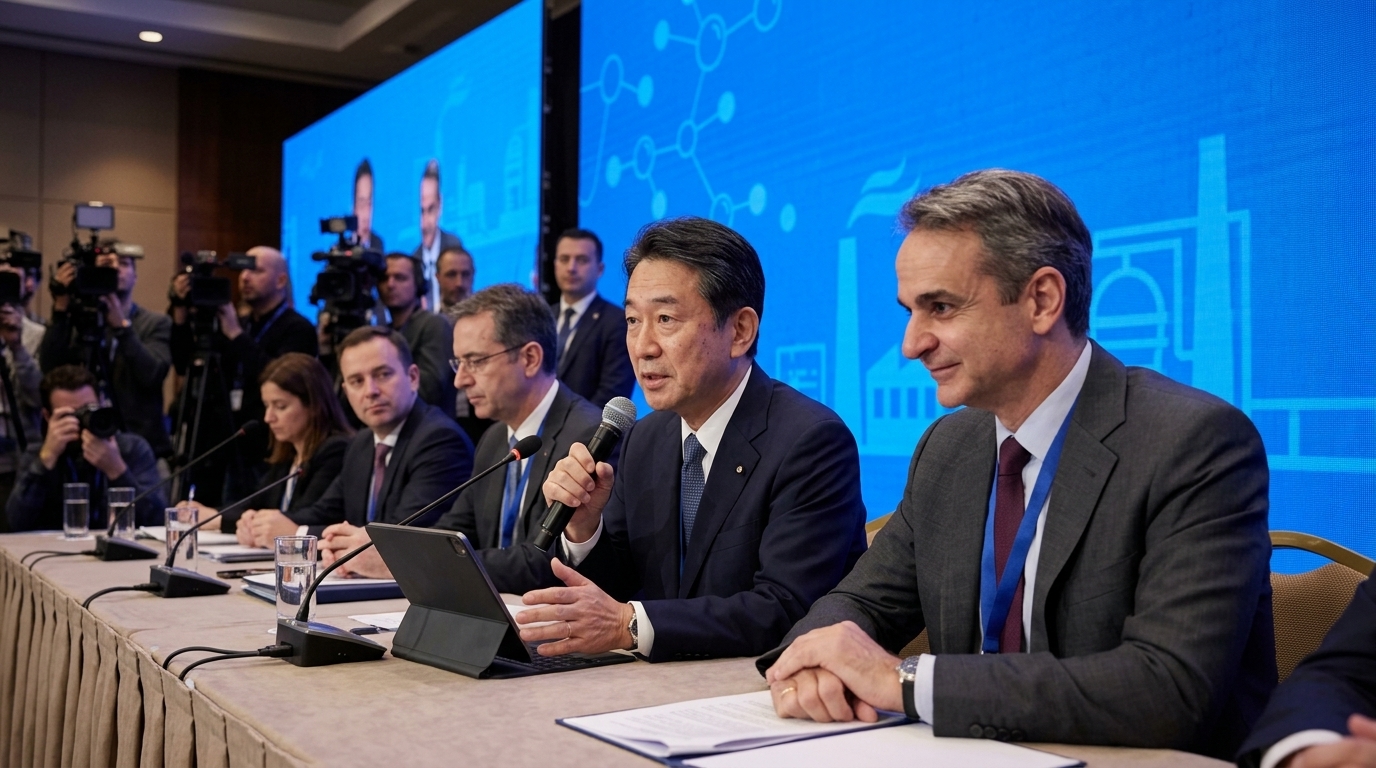
The conclusion of the 2026 G7 summit marks a pivotal moment in global history, as Donald Trump’s presence has effectively re-centered "transactional diplomacy" in international relations. As the leaders of the world's most powerful economies depart from the negotiating table, the resulting agenda reflects a sharp turn toward national protectionism, a re-evaluation of military alliances, and, most significantly, an unbridled race for Artificial Intelligence (AI) supremacy.
Ukraine and the Dilemma of 'Peace Through Strength'
The issue of Ukraine remained the most contentious point of the summit. Trump, adhering to his "America First" doctrine, pressured European partners for a faster resolution to the conflict, linking further American aid to immediate peace negotiations. While EU leaders expressed deep concerns regarding Kyiv’s territorial integrity, the American side made it clear that open-ended funding is coming to an end. This rhetoric caused significant friction with France and Germany, who fear that a rushed deal could embolden Moscow in the long run.
"We cannot fund a war without an end date when our own infrastructure and technological superiority require resources," the American president reportedly stated during closed-door sessions.
Iran and the Return of 'Maximum Pressure'
Regarding Iran's nuclear program, the G7 appeared deeply divided. Trump sought to revive the "maximum pressure" policy, demanding stricter sanctions and the cancellation of any rapprochement that does not include full denuclearization and a curb on Tehran’s ballistic missile program. European leaders, while concerned about Iranian provocations, emphasized the need to maintain diplomatic channels to avoid a broader conflagration in the Middle East, which would directly impact energy prices and refugee flows toward Europe.
AI as the New Frontier of Geopolitical Conflict
Perhaps the most significant development of the summit was the discourse on Artificial Intelligence. For the first time, AI was not treated merely as a technological issue, but as the ultimate tool of geopolitical power. The Trump administration advocated for the deregulation of the industry in the US to win the competition against China, at the same time that the EU insisted on the necessity for ethically binding rules and the implementation of the "AI Act."
The disagreement is structural: The US views AI as the "new nuclear weapon" requiring speed and unfettered innovation, while Europe seeks to become the global regulator, protecting human rights and privacy. In the joint communiqué, there was a vague commitment to "safe and trustworthy AI," but the details indicate that each member state will follow its own strategy of "digital sovereignty."
- The US is pushing for the integration of AI in military operations and cybersecurity.
- Japan and Canada are focusing on AI to address aging populations and climate change.
- The EU warns against the risks of mass surveillance and algorithmic discrimination.
In conclusion, the 2026 G7 summit was defined by the return of a multipolar world where traditional alliances are being tested. Artificial Intelligence is emerging as the catalyst that will determine who leads the next decade, with Trump making it clear that America does not intend to share the reins of the technological revolution with anyone—not even its closest allies.