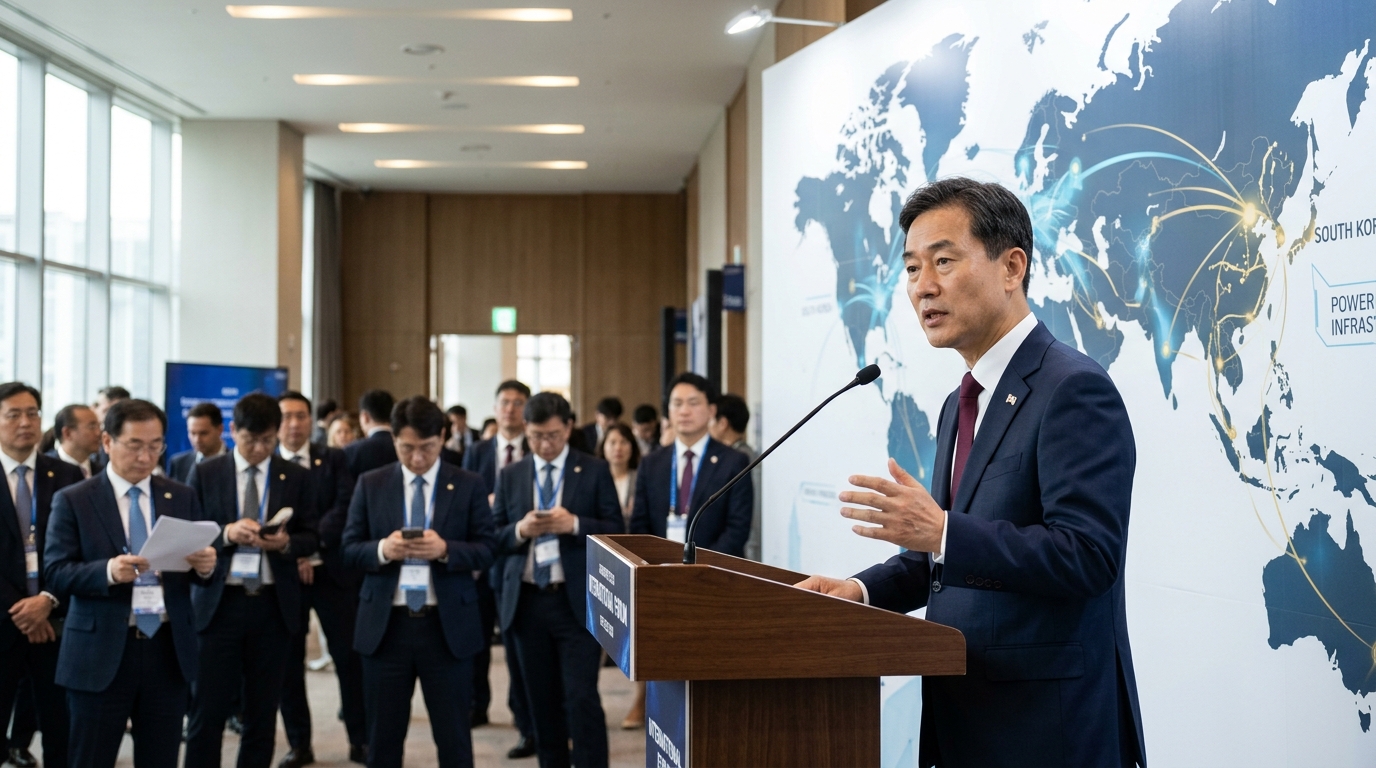
At the heart of the global technological stage, South Korea stands as the undisputed giant of semiconductors. However, as the Artificial Intelligence (AI) revolution accelerates, Seoul faces an existential threat that stems not from competition, but from its power outlets. The recent call for a radical reset of national energy planning is more than a bureaucratic proposal; it is a cry for help to preserve the country's geopolitical power in the 21st century.
The Yongin Cluster and the Voracious Thirst for Watts
The administration of Yoon Suk Yeol has announced an ambitious plan to create the world's largest semiconductor "mega-cluster" in Yongin, an investment expected to reach $470 billion by 2047. This gargantuan industrial zone, which will house factories for Samsung Electronics and SK Hynix, requires something South Korea is struggling to guarantee: stable, abundant, and, above all, clean energy.
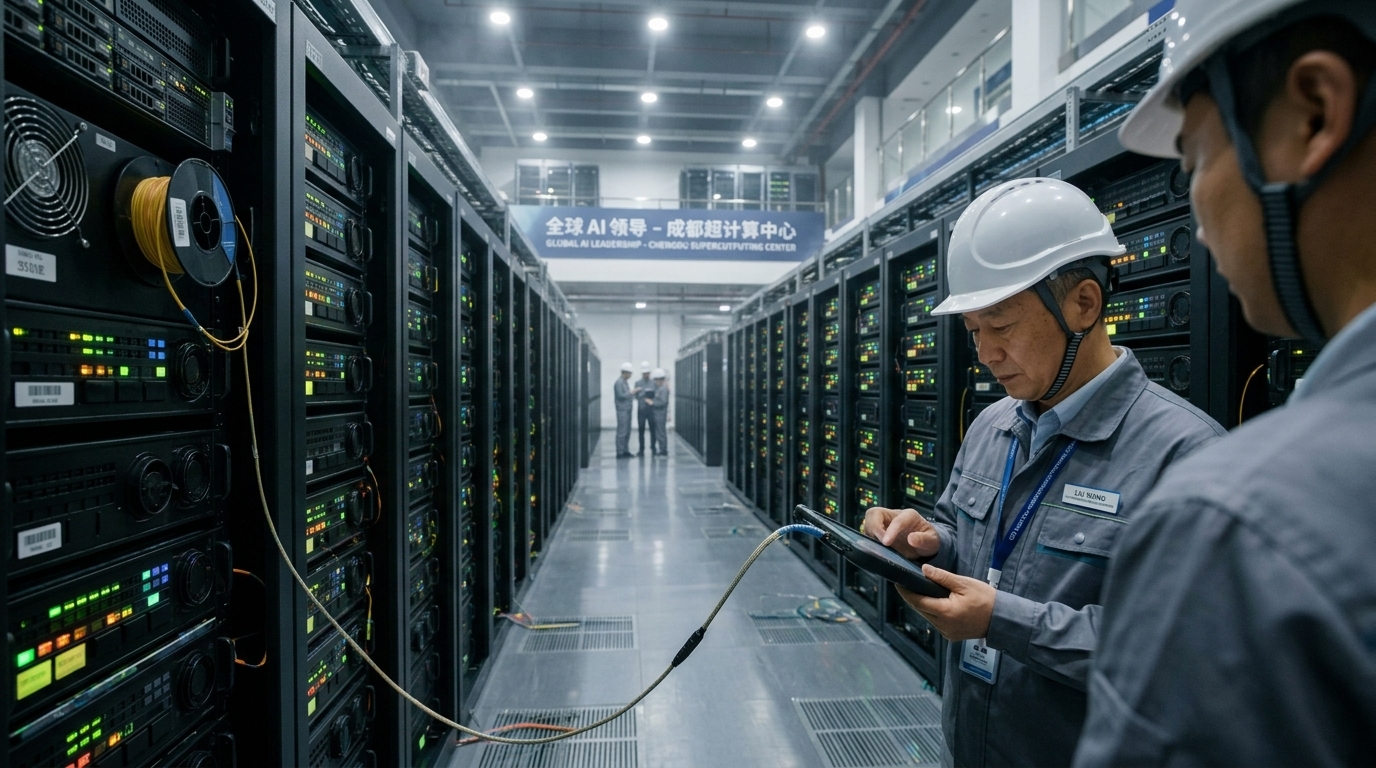
Estimates suggest that this cluster alone will require over 10 gigawatts (GW) of power—an amount equivalent to the output of ten nuclear reactors. The problem is exacerbated by the fact that manufacturing AI chips, such as High Bandwidth Memory (HBM), is significantly more energy-intensive than traditional DRAM manufacturing. As demand for AI chips skyrockets, Korea's current 11th Basic Plan for Electricity Supply and Demand is already considered obsolete, as it dramatically underestimates the needs of data centers and semiconductor fabs.
The Dilemma: Nuclear Energy vs. Renewables
South Korea finds itself in a unique energy bottleneck. On one hand, the current administration is strongly promoting nuclear energy as the solution for decarbonization, reversing the previous government's phase-out policy. Nuclear plants provide the "base load" stability required by chip factories, which operate 24/7 and cannot tolerate a single second of interruption.
On the other hand, global giants like Apple, Google, and NVIDIA—the primary customers of Samsung and SK Hynix—are pushing for the RE100 initiative (100% renewable energy). Nuclear energy, while low-carbon, is not counted as "renewable" under the RE100 framework. With South Korea having one of the lowest renewable energy penetration rates among OECD countries (around 9%), the semiconductor industry risks losing contracts if it cannot prove the use of green power. The need for an "energy reset" means finding a delicate balance between nuclear reliability and the rapid development of wind and solar farms, despite the country's geographical constraints.
Geopolitics and National Security
In the modern geopolitical landscape, energy is no longer just a production cost; it is national security. If South Korea fails to modernize its grid and secure energy supplies, its domestic champions may be forced to move production abroad—to the US or Europe—where subsidies and access to green energy are more attractive.
"The battle for AI supremacy will be won not just in design labs, but in the fields of energy infrastructure. Without power, silicon is just sand," a Seoul-based analyst noted.
Furthermore, South Korea must address the domestic issue of energy transmission. Most production (nuclear and renewables) is located on the southern coasts, while consumption is concentrated in the Seoul metropolitan area. The construction of new high-voltage transmission lines faces fierce opposition from local communities, delaying critical projects for years. The reset of the energy plan must, therefore, include a new social consensus for infrastructure and incentives for industrial decentralization.
Conclusion: The Road to 2030
South Korea has proven in the past that it can achieve economic miracles through central planning and national mobilization. The AI challenge requires a new "Miracle on the Han River," this time in the energy sector. The country's energy plan must become more flexible, integrate energy storage technologies, and accelerate permitting for renewables without abandoning its nuclear advantage. Failure in this area would not just mean more expensive electricity, but the gradual slide of the country into the second tier of technological powers.