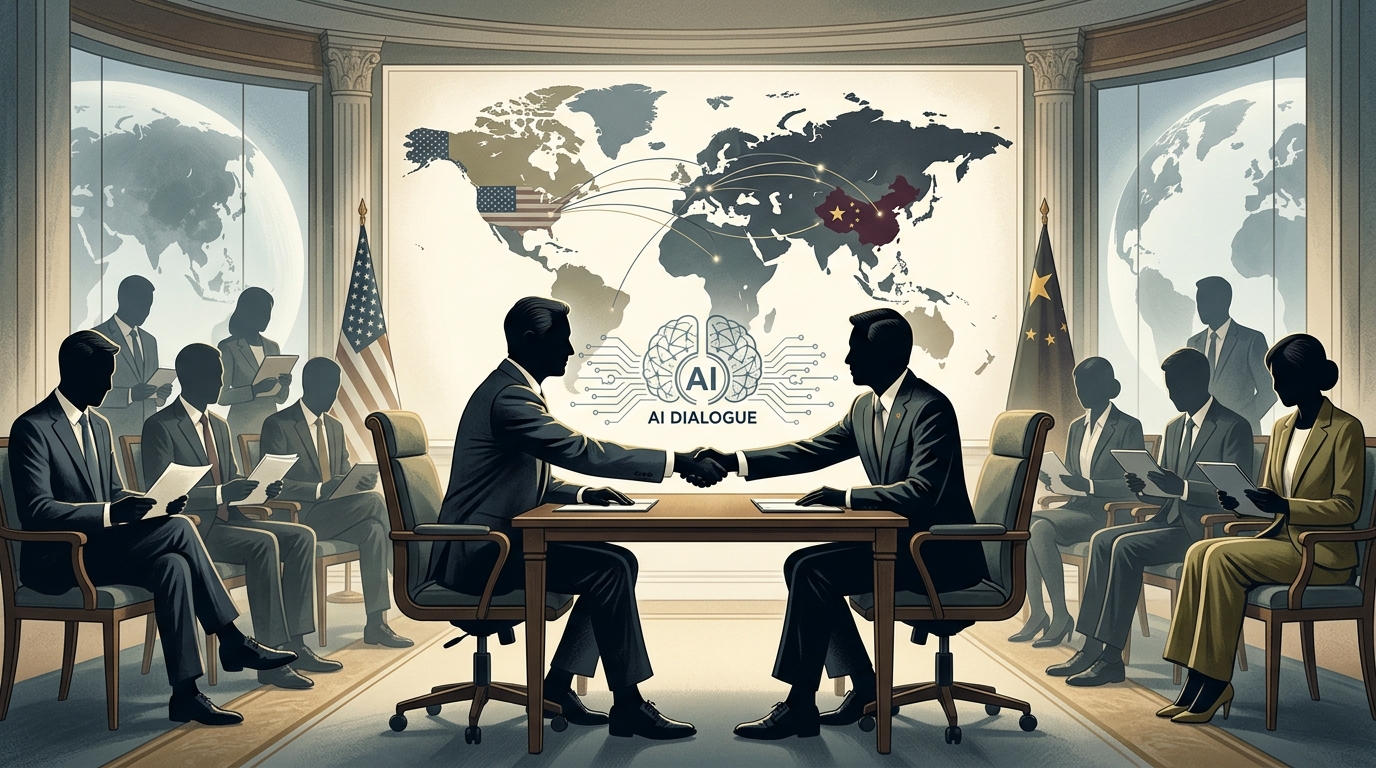
The most anticipated diplomatic meeting of the United Nations General Assembly week is set to take place at the White House. Donald Trump is scheduled to personally welcome Chinese President Xi Jinping at Joint Base Andrews on Wednesday, September 23—a rare diplomatic gesture that underscores the gravity of the summit.
The Economic Agenda and the Busan Truce
The trade truce established during the Trump-Xi meeting in Busan last year is set to expire on November 10. Both governments must now decide whether to extend the agreement, which previously lowered tariff threats and paused port fees. Key discussion points include:
- Purchase targets for agricultural products, energy, and Boeing aircraft.
- A $30 billion package for "non-sensitive" goods across approximately 10 categories.
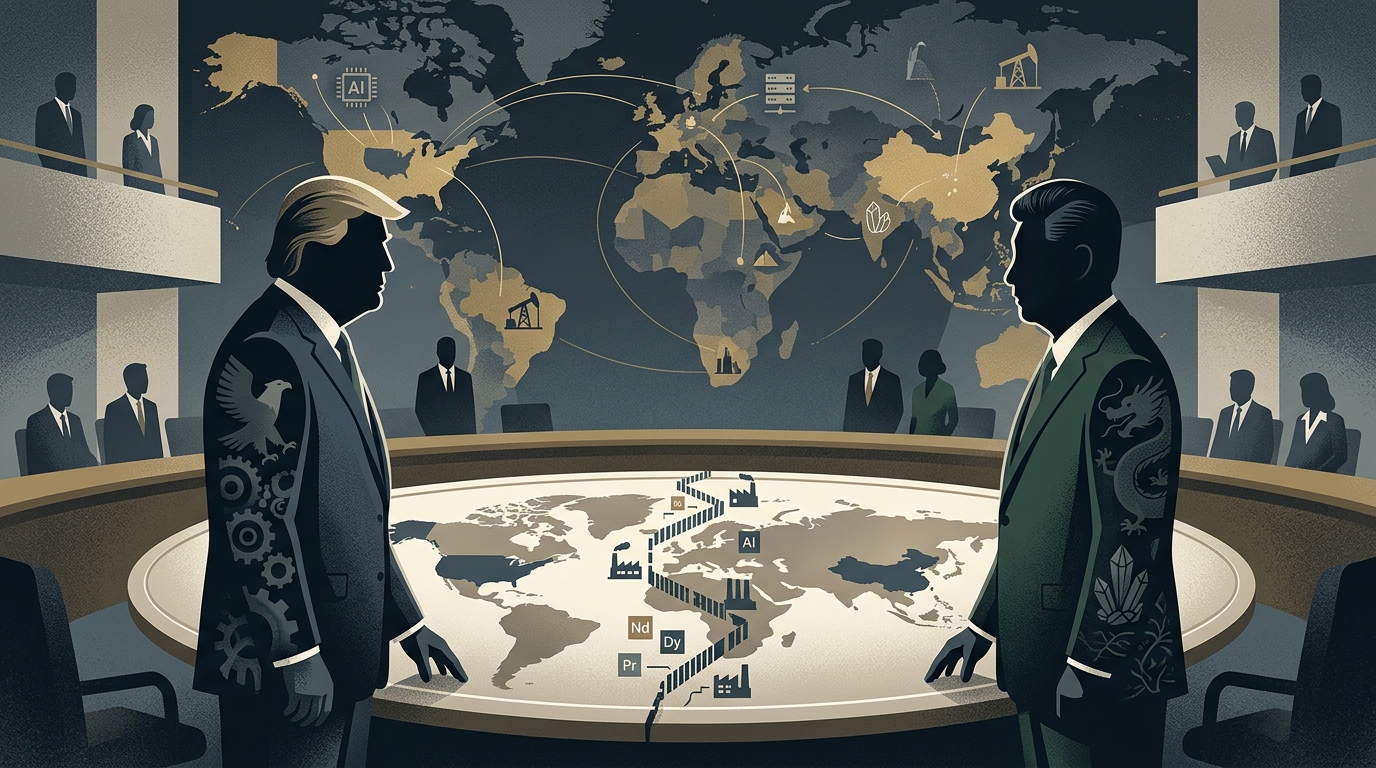
- China's export limits on rare earths and minerals, which are critical for defense and AI hardware.
AI Safety and Export Controls
Treasury Secretary Scott Bessent has confirmed that AI safety will be a primary agenda item. While Beijing seeks relief from US restrictions on Chinese technology, the American business community remains divided. Some industry leaders fear that calls to slow development for safety reasons could allow China to outpace the US, especially as Trump has dismissed domestic calls for AI regulation.
Geopolitical Friction Points
The summit faces significant headwinds from sensitive geopolitical issues. China has threatened to cancel the meeting entirely if the US proceeds with new arms sales to Taiwan. Additionally, discussions are expected to cover China’s economic ties with Iran and the status of detained foreign nationals. Despite the high-profile nature of the meeting, analysts suggest a breakthrough is unlikely, with both sides primarily aiming to maintain the status quo while protecting their respective economic interests.