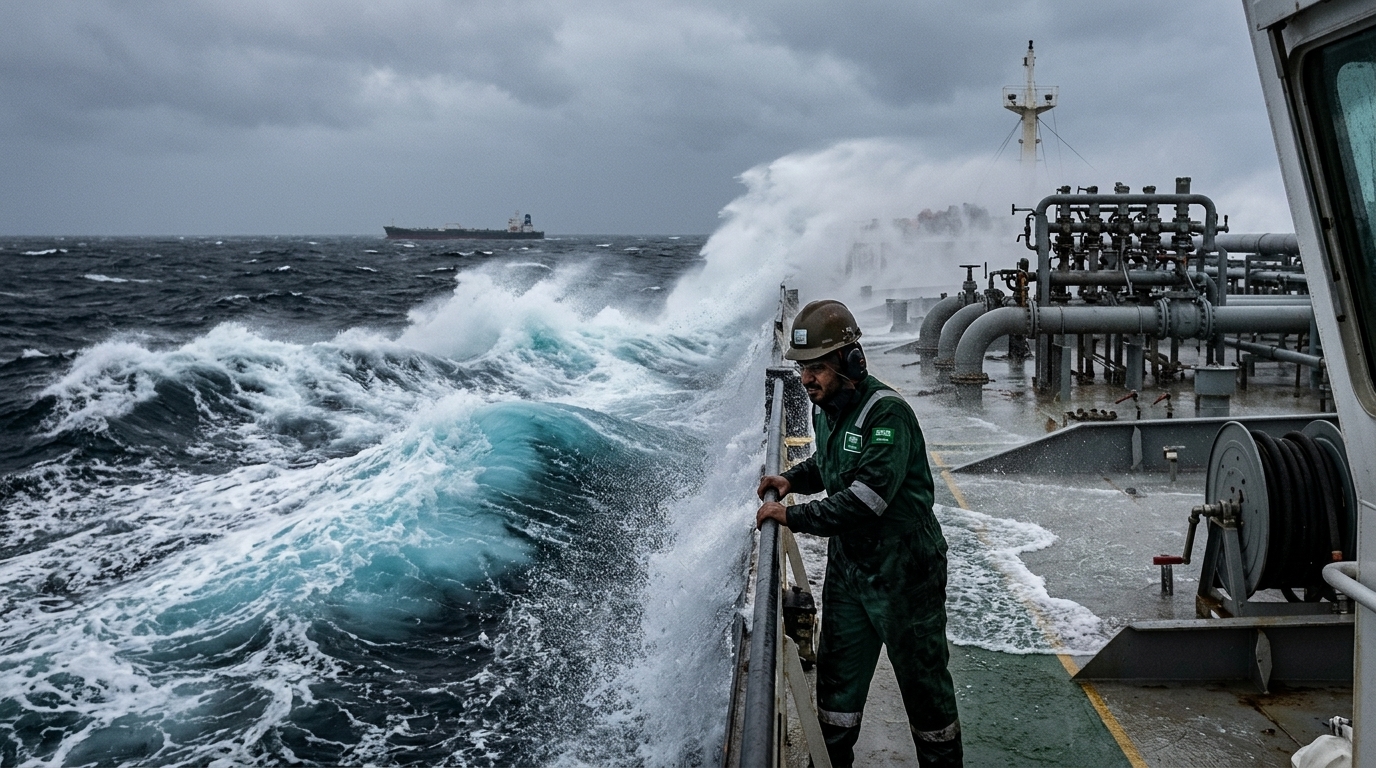
An uneasy equilibrium has taken hold in the Strait of Hormuz as a U.S. naval blockade chokes Iranian oil exports while its regional rivals prepare to surge their own supplies. Despite Tehran's claims of a total shutdown, significant volumes of crude continue to move through the narrow waterway via a clandestine "dark" fleet, preventing a global energy collapse for now.
The "Dark" Fleet and Saudi Maneuvers
The Trump administration estimates that between 8 million and 9 million barrels of oil per day are currently being exported through ship-to-ship transfers by Iraq, Qatar, Kuwait, and the UAE, though analysts have put the figure closer to 7 million. While this is far below the prewar level of 20 million barrels, these flows, combined with pipeline exports, are buying the global market critical time.
New satellite imagery indicates that Saudi Arabia is poised to join this effort. The Kingdom's vessels have been spotted positioning themselves on both sides of the strait to facilitate shuttle services, a bold move given the persistent threat of Iranian missile attacks on tankers.
Economic Suffocation vs. Military Readiness
Within Iran, the blockade is taking a devastating toll. Majidreza Hariri, head of the Iran-China Joint Chamber of Commerce, recently warned that the economic damage from the U.S. blockade could eventually exceed that of an all-out war. He urged the regime to end the chokehold through any means necessary, including negotiation or threats.
On the military front, Iran has pivoted toward more aggressive tactics, deploying new missiles designed to evade air defenses. Conversely, U.S. forces are showing signs of strain. The USS Abraham Lincoln aircraft carrier is reportedly struggling with supply issues and crew mental health after a record stint at sea, while U.S. interceptor stockpiles have dwindled to levels that influenced recent de-escalation decisions.
A Test of Endurance
Experts suggest that Iran’s leadership may be more willing to endure economic hardship than the American public is to tolerate high gasoline prices. However, with the Iranian economy in shambles, the risk remains that Tehran will feel forced to escalate from economic resistance to direct military confrontation to break the blockade.