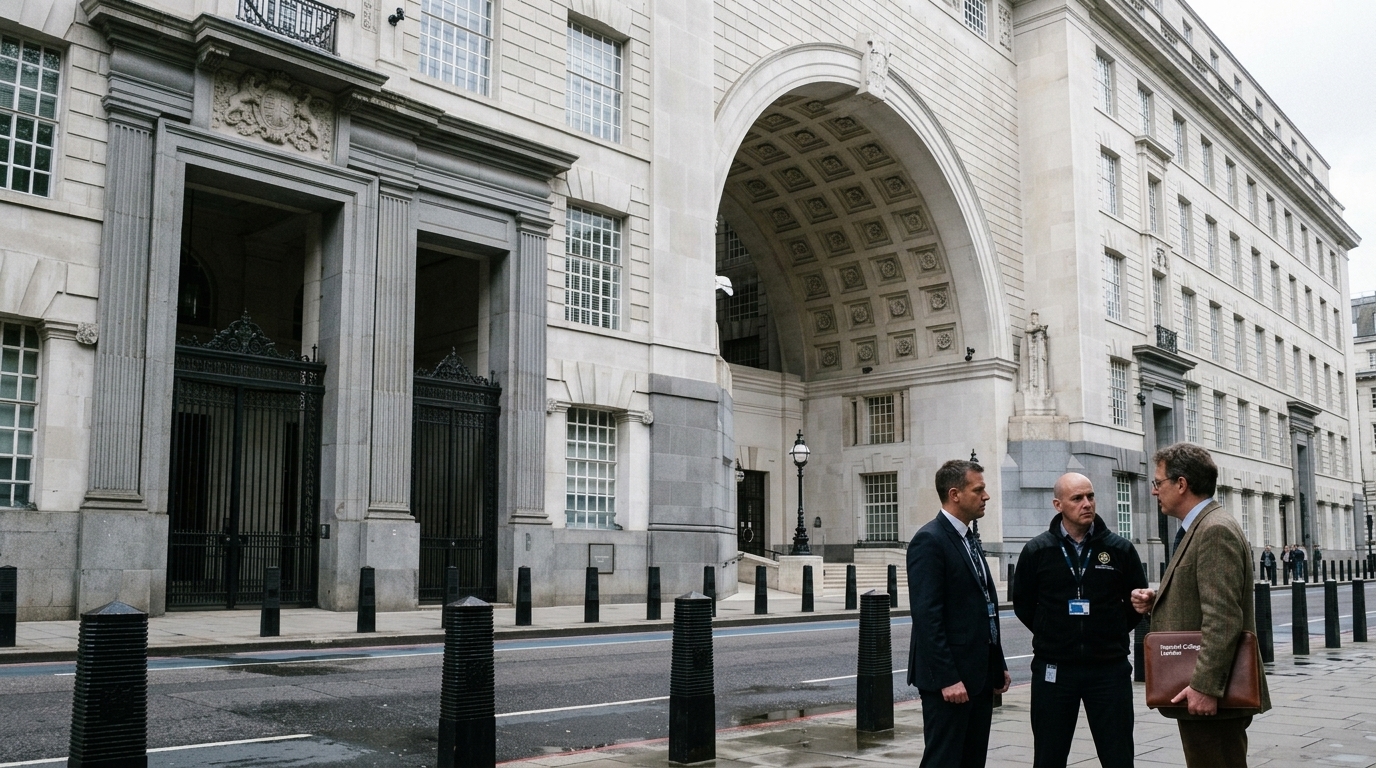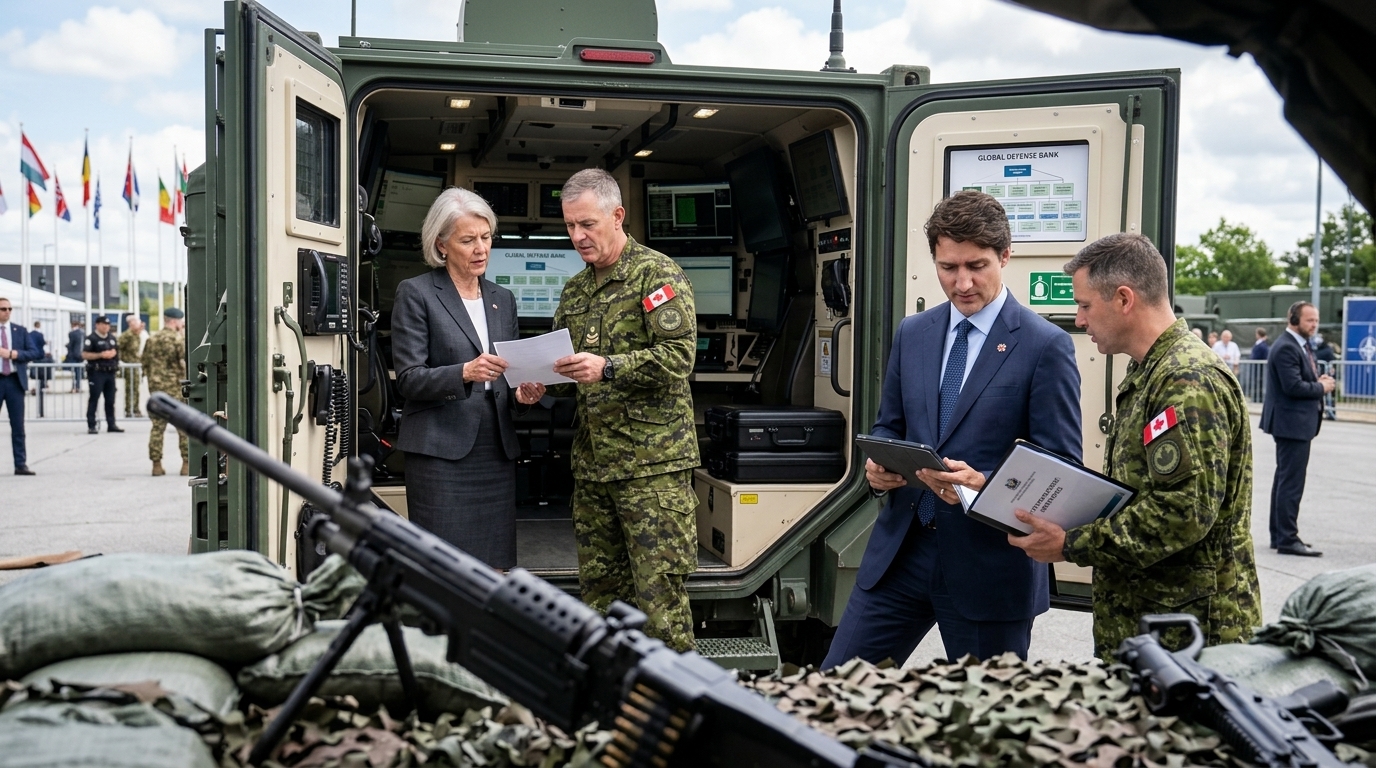
As geopolitical tectonic plates shift at an unprecedented pace, the upcoming NATO summit in Turkey is set to provide the backdrop for one of the most radical shifts in Western security architecture. According to Reuters reports, Canada is preparing to unveil the framework of the “ten founding nations” that will support the establishment of the Global Defense Bank (GDB). This is a move that aims not just at boosting military spending, but at fundamentally reshaping how defense is financed in the 21st century.
The Need for a New Financial Model
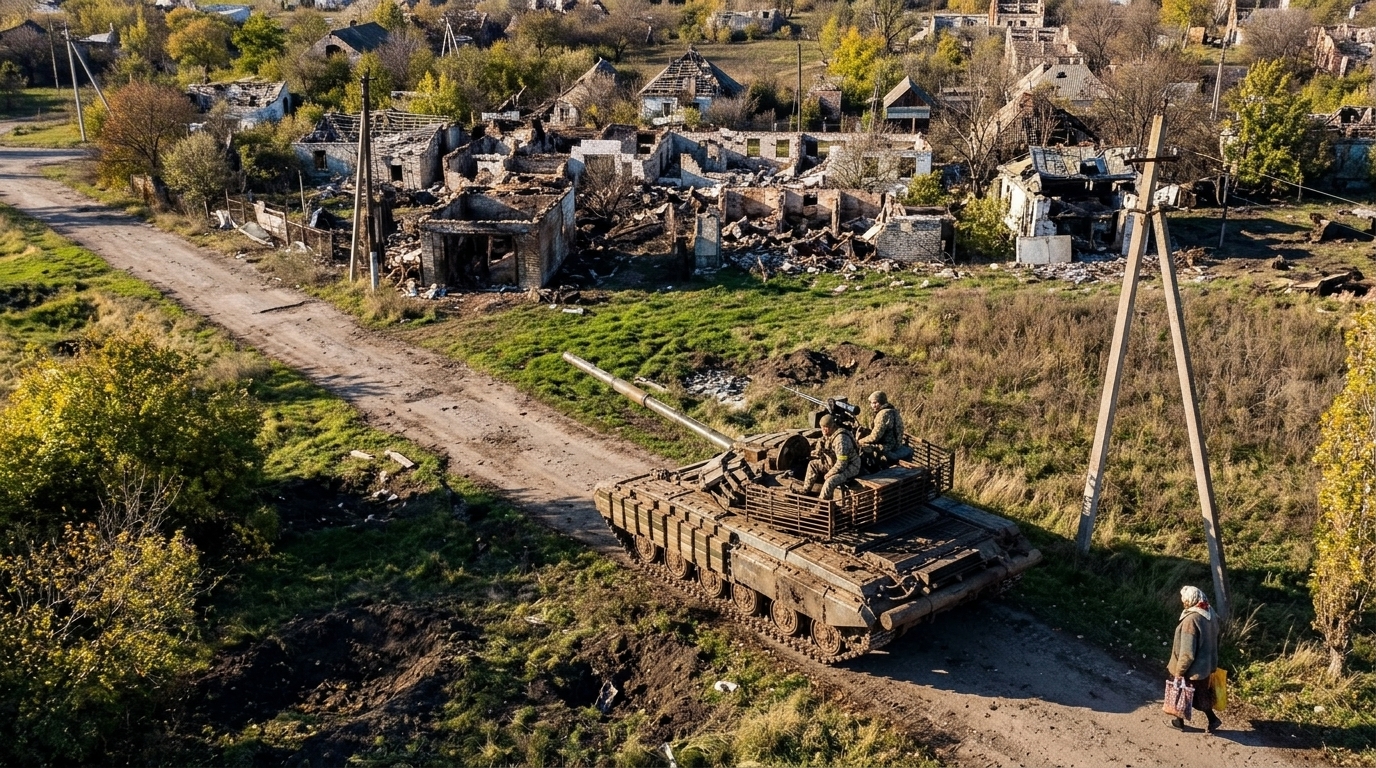
For decades, defense funding has relied almost exclusively on national budgets—a process often cumbersome, politically vulnerable, and subject to annual fiscal fluctuations. Russia’s invasion of Ukraine and rising tensions in the Indo-Pacific have revealed a harsh truth: Western defense industries lack the necessary capital flexibility to scale production during times of crisis. The Global Defense Bank is designed to fill exactly this gap.
Canada’s lead negotiator emphasized that the bank will function as a multilateral institution providing low-interest loans, guarantees, and credit facilities to member states and defense industries. The goal is to decouple long-term procurement programs from short-term political cycles. In this way, a country could invest in cutting-edge technologies, such as artificial intelligence and autonomous systems, without immediately burdening its national debt in the traditional manner.
The 'Ten' and Geopolitical Significance
While the full list of countries remains a closely guarded secret, analysts expect that beyond Canada, nations such as the United Kingdom, Poland, the Nordic countries, and potentially Germany will be at the core of the initiative. The choice of the summit in Turkey for the announcement is no coincidence. Turkey, as a critical player on NATO’s eastern flank with its own rapidly growing defense industry, represents the Alliance's new reality: the need for self-sufficiency and industrial cooperation.
- Strengthening interoperability through common financial standards.
- Reducing procurement costs through economies of scale.
- Providing a financial "shield" for smaller member states struggling to meet the 2% GDP target.
However, the initiative is not without its critics. Some analysts warn of the risk of a “militarized World Bank,” which could lead to state over-indebtedness for the benefit of major defense contractors. Furthermore, the question of governance arises: who will control lending decisions, and by what criteria will the “ethics” of armaments be evaluated?
Artificial Intelligence and the Future of Warfare
A central aspect of the GDB’s mission will be funding research and development (R&D) in emerging technologies. Artificial Intelligence (AI) is no longer a future scenario but the present of military operations. From battlefield data analysis to predictive maintenance systems, AI requires massive investments that traditional banks often avoid due to “high risk” or ethical constraints (ESG). The Global Defense Bank will act as a catalyst, ensuring the West does not lose its technological edge over authoritarian regimes.
“Defense is no longer just about soldiers and weapons; it is about supply chains and financial power,” a senior NATO official stated.
In conclusion, Canada’s initiative marks a transition into an era of “institutional deterrence.” If the Global Defense Bank succeeds, it will provide the economic foundation upon which the security of future generations will be built. If it fails, it risks becoming another bureaucratic organ at a time when the world cannot afford delays.