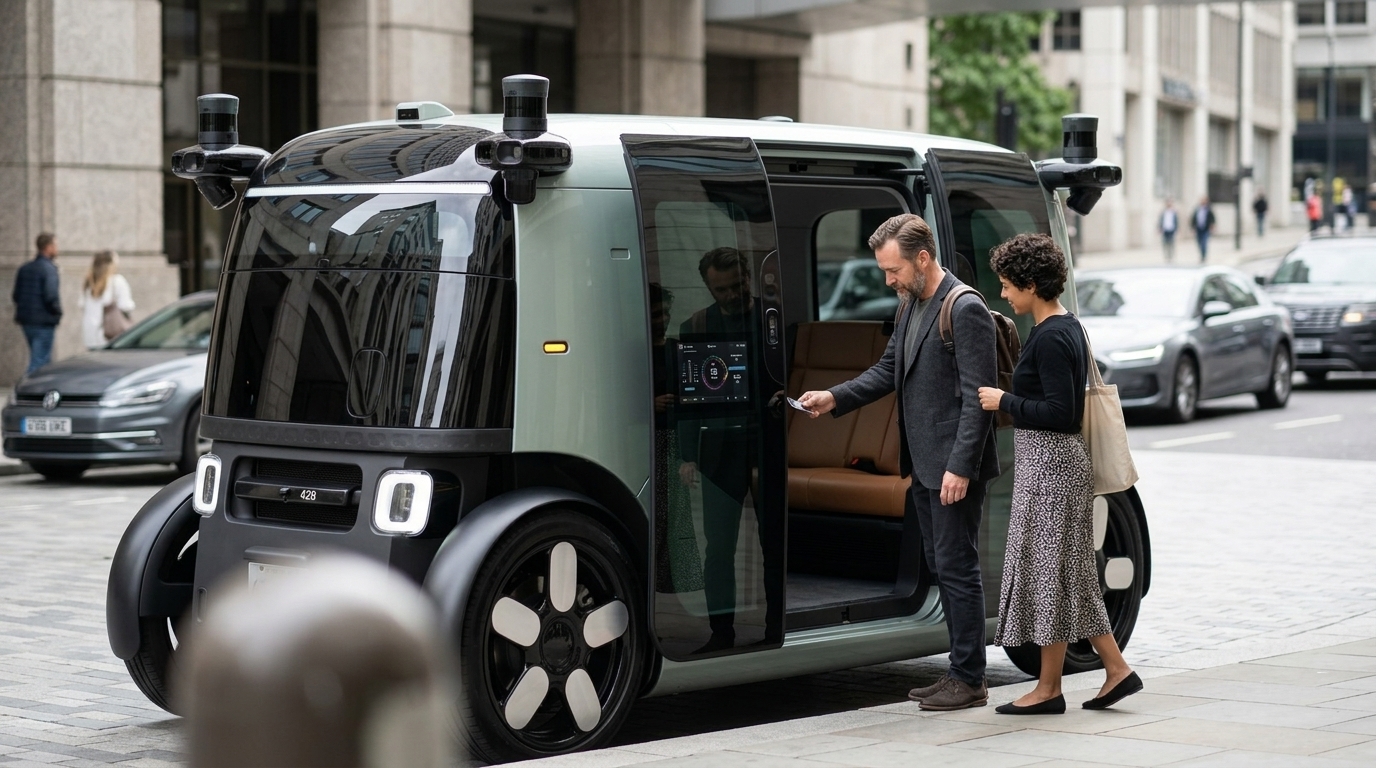
Federal regulators are clearing the way for robotaxis to operate without manual controls like steering wheels, as rules evolve to match autonomous technology. Amazon’s Zoox received approval on Thursday to begin charging customers for rides in its purpose-built vehicles, which feature four inward-facing seats and no driver's seat.
Updating Decades-Old Rules
The National Highway Traffic Safety Administration (NHTSA) is moving to modernize safety standards written in the 1970s and 80s. Administrator Jonathan Morrison noted that components like steering wheels and side-view mirrors are unnecessary for vehicles that drive themselves. While the NHTSA remains optimistic about the technology's potential to eliminate drunk or distracted driving, Morrison emphasized that the agency continues to investigate incidents where autonomous cars have blocked first responders or exhibited erratic behavior.
Data Transparency Gaps
The approval has met resistance from safety groups. The Advocates for Highway and Auto Safety criticized the move, claiming Zoox provided "glossy language" instead of hard data to prove public road safety. Similarly, the Insurance Institute for Highway Safety (IIHS) pointed out a significant data gap: because companies are not required to report total mileage, it is currently impossible to calculate an accurate crash rate for robotaxis compared to human drivers.
Amazon’s $1.2 Billion Bet
Amazon acquired Zoox for $1.2 billion and plans to eventually produce 10,000 units annually at a California plant to challenge industry leader Waymo. For the initial phase, Zoox is restricted to a fleet of 2,500 wheel-less vehicles over the next two years. Commercial operations will commence once the company secures necessary state and local permits in cities like Las Vegas and San Francisco, where free pilot programs have already hosted over half a million riders.