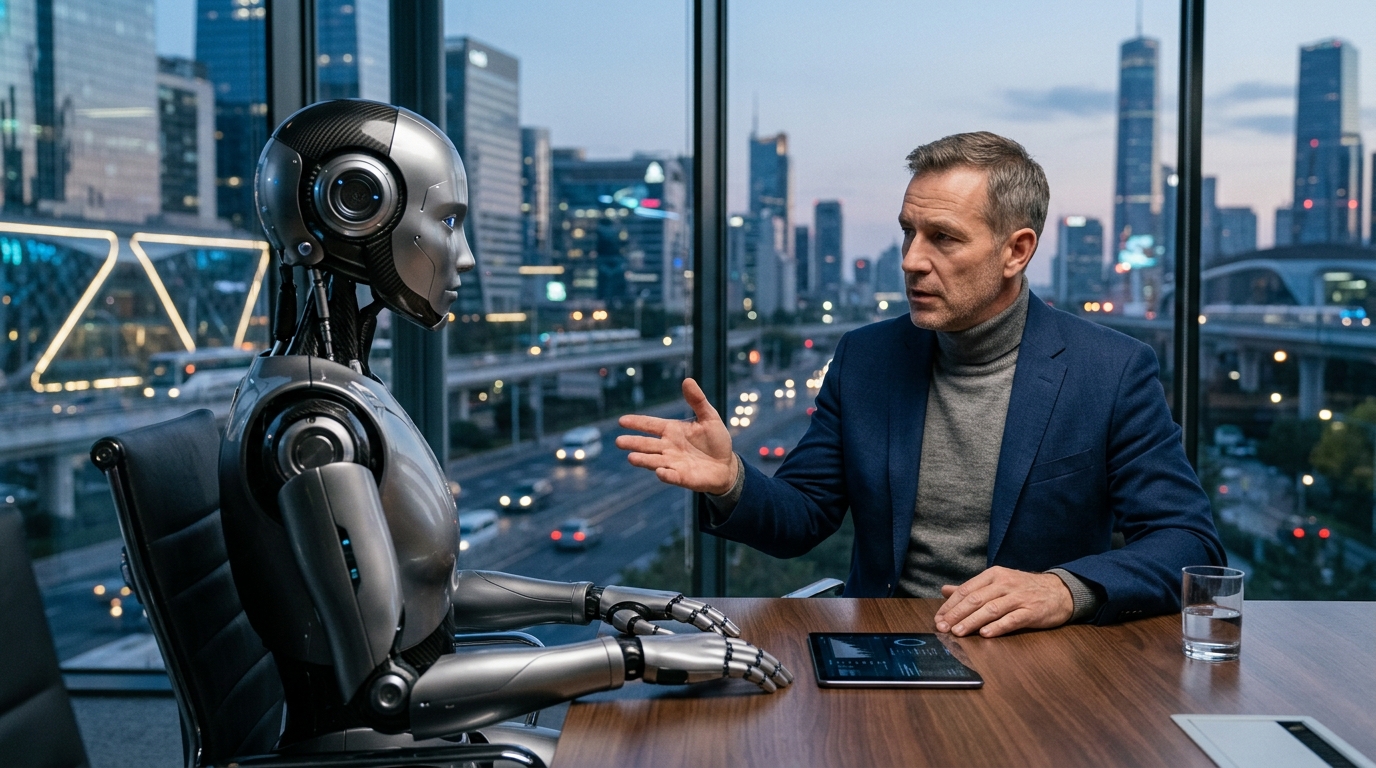
In July 2026, the international arena bears little resemblance to the Cold War era or the traditional summits of the 20th century. Today, diplomats do not sit alone at negotiating tables; they are accompanied by sophisticated Artificial Intelligence systems that analyze opponents' moves in real-time, simulate millions of potential outcomes, and suggest compromises that the human mind would struggle to conceive. "AI Diplomacy" has ceased to be a science fiction scenario and has become the new frontier of geopolitical power.
The Rise of Algorithmic Mediators
The use of AI in diplomacy began as a tool for translation and data organization, but it quickly evolved into something far more complex. According to recent analyses, major powers now use "Digital Twins" of their nations to predict how a trade sanction or a military move will affect the global economy and stability. These systems, based on Large Language Models (LLMs) and game theory, allow negotiators to "see" the future before it happens.
However, reliance on machines brings new risks. When both sides use algorithms to optimize their gains, there is a risk of an "algorithmic deadlock." If two AI systems conclude that escalation is the only rational choice, the speed at which a crisis can erupt exceeds the human capacity to intervene. The international community is now called upon to establish "red lines" for automated decision-making in national security matters.
Data Sovereignty and the New Geopolitics
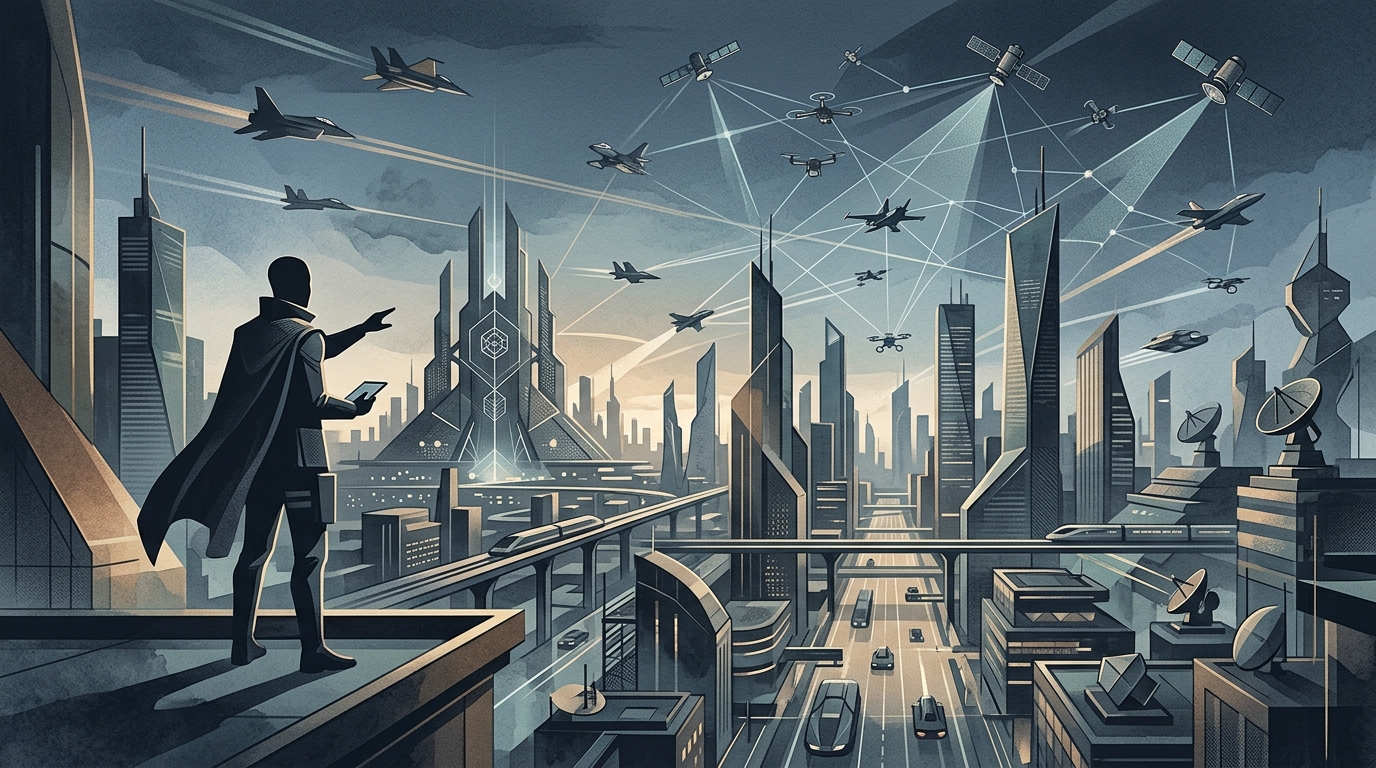
AI diplomacy is not just about using tools; it is about controlling the technology itself. In 2026, a state's power is measured not only by its warheads or GDP but by its computational power and data quality. The emergence of a "Digital Iron Curtain" between West and East is now a reality, with each side developing its own closed AI ecosystems.
- System Autonomy: How much freedom do we grant an algorithm to sign binding agreements?
- Data Transparency: How can we trust a peace proposal generated by a "black box" technology?
- The Ethics of Mediation: Can a machine understand concepts like "historical responsibility" or "national dignity"?
In this context, smaller nations find themselves at a disadvantage, as they often lack the infrastructure to develop their own systems, forced to "rent" diplomatic intelligence from tech giants. This creates a new form of colonialism: algorithmic dependency.
Towards a New Geneva Convention for AI
The need for a global governance framework is more urgent than ever. Discussions are already underway for the creation of an international body, similar to the International Atomic Energy Agency (IAEA), to oversee the use of AI in diplomacy and warfare. The challenge is to ensure that humans remain "in-the-loop," retaining final responsibility for decisions involving life and death.
"Diplomacy has always been the art of the possible. With AI, it risks becoming the science of the inevitable," a high-ranking UN official recently remarked.
In conclusion, negotiating with machines requires a new generation of diplomats who are equally skilled in political analysis and programming. Peace in the 21st century may ultimately depend not on what leaders say to the cameras, but on what algorithms whisper in their ears behind closed doors.