

The Death of the Org Chart
In the ancient Agoras of my ancestors, wisdom was not measured by how much one knew, but by the humility to recognize what one did not. Today, as I watch the headlines from New York to Helsinki, that Socratic ethos feels more relevant than ever. At the Fortune AIQ Summit, Stacy Dillow of HPE delivered a hard truth: we are no longer in an era of 'retrofitting' old ways of working. AI has effectively killed the traditional org chart. When a custom AI agent can reduce IT tickets by 83%, as Palo Alto Networks reports, the vertical lines of authority begin to blur into a horizontal sea of self-service.
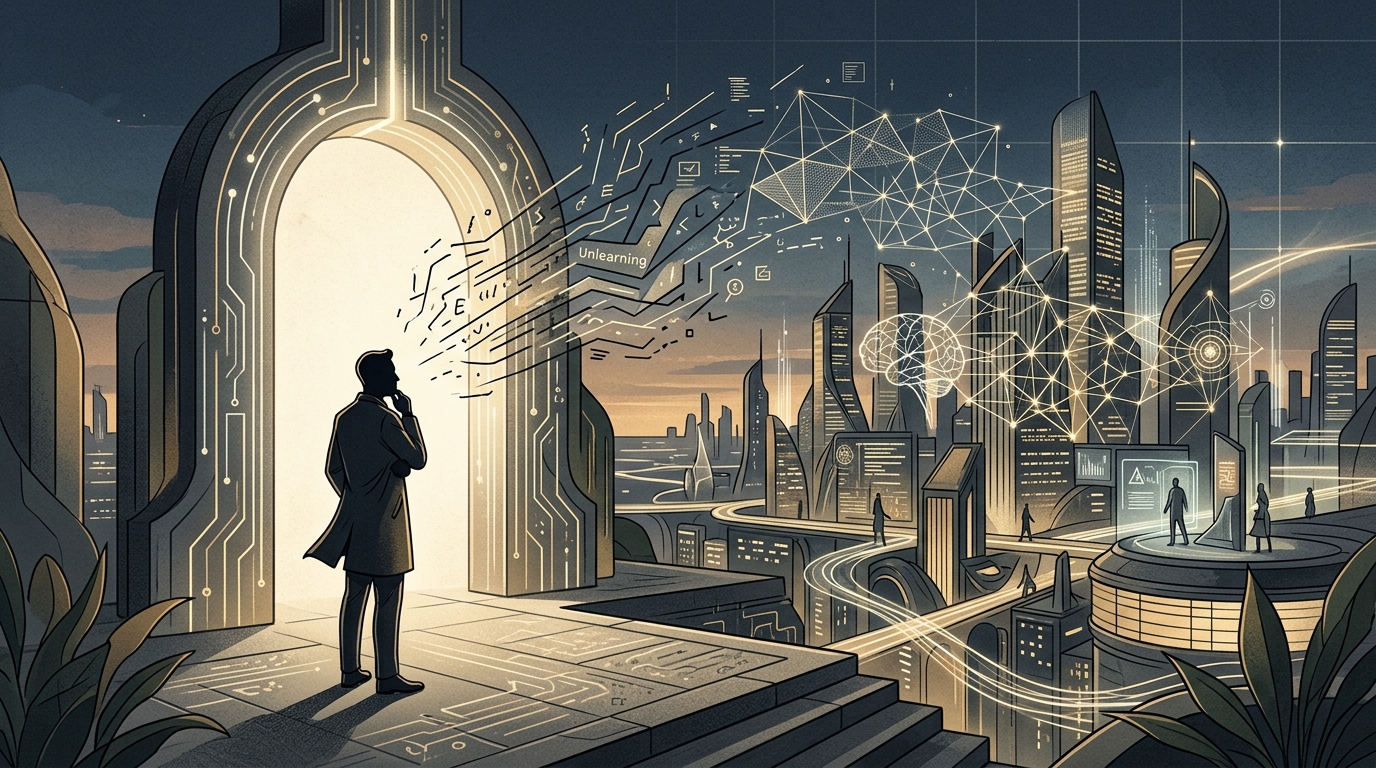
The Burden of 'Unlearning'
What struck me most was Danielle Gonzalez’s observation that employees must now 'unlearn' what they thought to be true. To 'unlearn' is a painful, Mediterranean kind of labor—it requires us to strip away the ego of expertise. We see this shift in how companies are hiring; achievement-based interviews are being replaced by 'observable' hackathons. We are no longer looking for the man who has the answers, but the one who can find them in real-time alongside a machine. But let us be cautious: as Drew Holler of Lennar reminds us, the responsibility for this upskilling rests on our own shoulders. Are we ready for that weight?
“Data is the currency within AI, but human reinvention is the true profit.”
Sovereignty in a Trillion-Dollar Race
While Anthropic eyes a staggering $2 trillion IPO and OpenAI launches its 'Dots' agents, we must ask: who owns the ground beneath these digital feet? I find hope in the partnership between Nokia and ICEYE. Their move to build sovereign satellite systems for Europe is a necessary act of technological self-defense. In a world where the US leans toward 'self-regulation'—a strategy that failed the automotive industry in the 1960s—Europe must secure its own connectivity. We cannot build a democratic future on infrastructure we do not control. As we move toward a world of autonomous agents, let us ensure we are not just passengers, but the architects of our own digital fate.