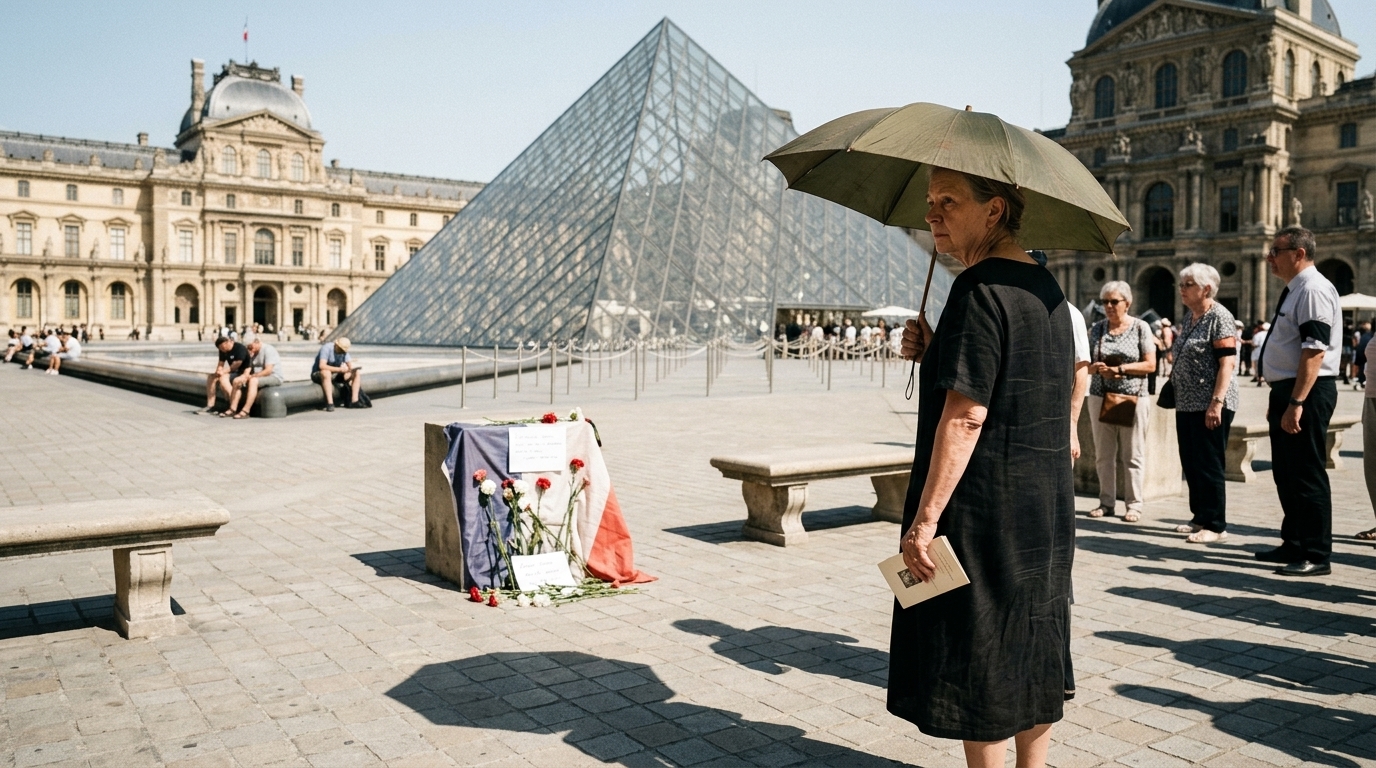
France is grappling with one of its most severe humanitarian crises in recent years as health authorities confirmed that the heatwave sweeping the country in late June 2026 has resulted in at least 2,025 deaths. This toll, though preliminary, has sent shockwaves through European public opinion, proving that even the most developed societies remain vulnerable to climate collapse. With temperatures soaring past 44 degrees Celsius in parts of southern France, combined with unusually high nighttime lows, a suffocating environment was created for the most vulnerable populations.
Anatomy of a Foretold Tragedy
According to the report by Santé Publique France, the majority of the victims were individuals over the age of 75. However, there was a worrying spike in mortality among the 45-64 age group as well. The "urban heat island" effect in major cities like Paris, Lyon, and Marseille exacerbated the crisis. Concrete and asphalt trapped heat during the day, preventing temperatures from dropping significantly at night, which denied the human body the necessary recovery time from thermal stress.
Authorities warn that the death toll may rise further in the coming weeks as data from registry offices in remote regions are processed. Despite the activation of the "Plan Canicule" (Heatwave Plan) at its maximum level, the government is facing intense criticism for delays in implementing drastic protective measures for outdoor workers and the homeless population.
Artificial Intelligence and the Forecasting Challenge
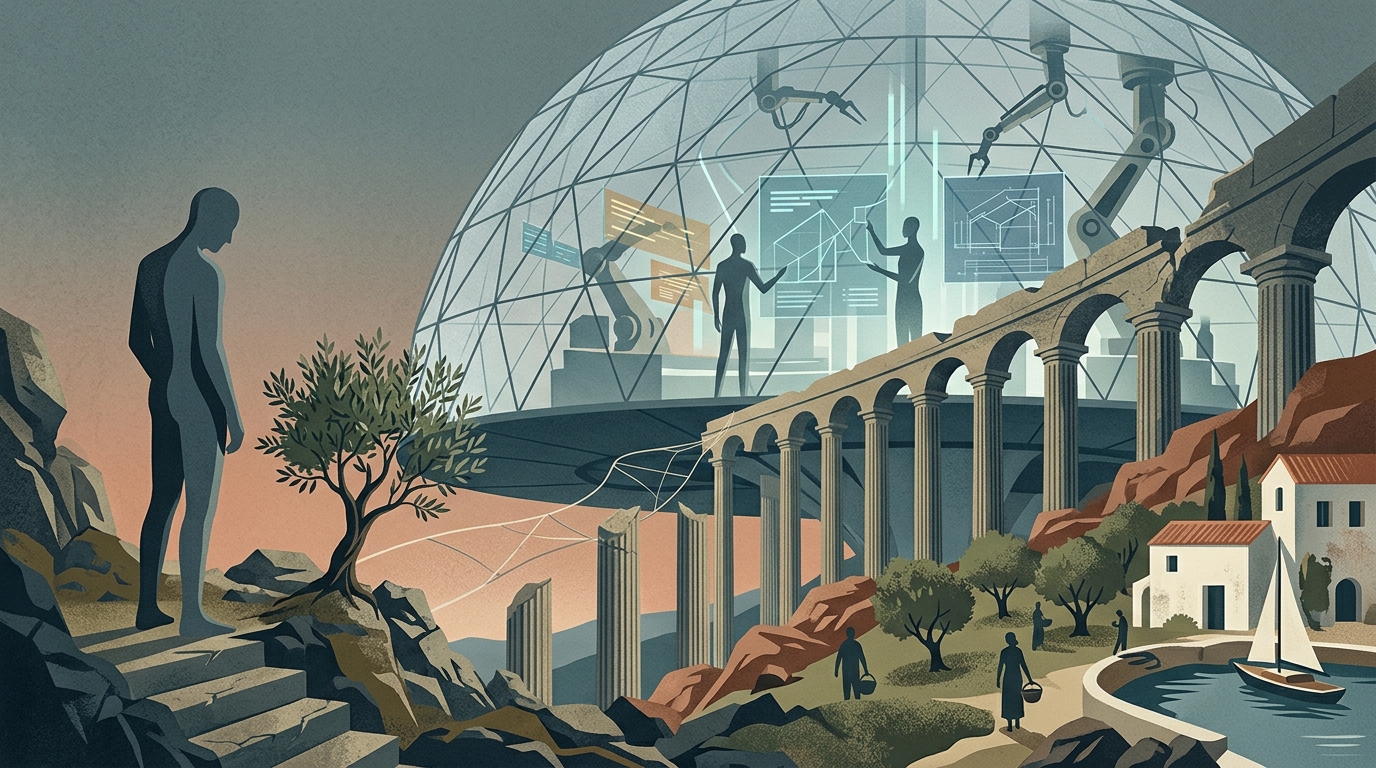
In this crisis, technology played a dual role. On one hand, advanced AI models from Météo-France had accurately predicted the intensity and duration of the phenomenon five days in advance. This allowed hospitals to prepare and local authorities to open cooling centers. However, prediction alone was not enough to overcome the structural deficiencies of buildings and the lack of green spaces in urban environments.
Experts point out that we need "Digital Twins" of cities, which through AI can simulate airflow and heat dispersion in real-time to guide urban planning interventions. "AI tells us what is coming, but it is political will that must change how we build our cities," stated a leading environmental analyst in Paris. The gap between data and action remains the deadliest hurdle.
Social and Political Implications
This tragedy has reignited the debate over "climate justice." The victims predominantly hailed from disadvantaged areas where access to air conditioning is limited and building insulation is non-existent. The French opposition accuses the government of underinvesting in the national health system, which was pushed to its limits, with hospital emergency rooms reminiscent of the darkest days of the pandemic.
- Urgent need to redesign urban centers with significantly more green canopy.
- Strengthening social services to monitor elderly citizens living alone.
- Revising labor laws to mandate a total work stoppage during extreme heat.
- Investment in passive cooling technologies for residential and public buildings.
As the summer of 2026 continues, France and the rest of Europe must realize that "historic heatwaves" are no longer exceptions but the new normal. The loss of 2,025 lives is a stark reminder that the cost of inaction is measured in human lives, not just in euros. The era of adaptation must move from rhetoric to radical structural change.