At the dawn of 2026, the concept of the "influencer" has undergone a structural transformation. What began as experimental use of digital models like Lil Miquela has now evolved into a multi-billion dollar industry where algorithms create new standards for beauty, lifestyle, and consumption. According to recent research, companies are turning en masse toward AI influencers, recognizing them as a tool that combines absolute aesthetic perfection with zero public relations risk.
The Economy of Digital Perfection
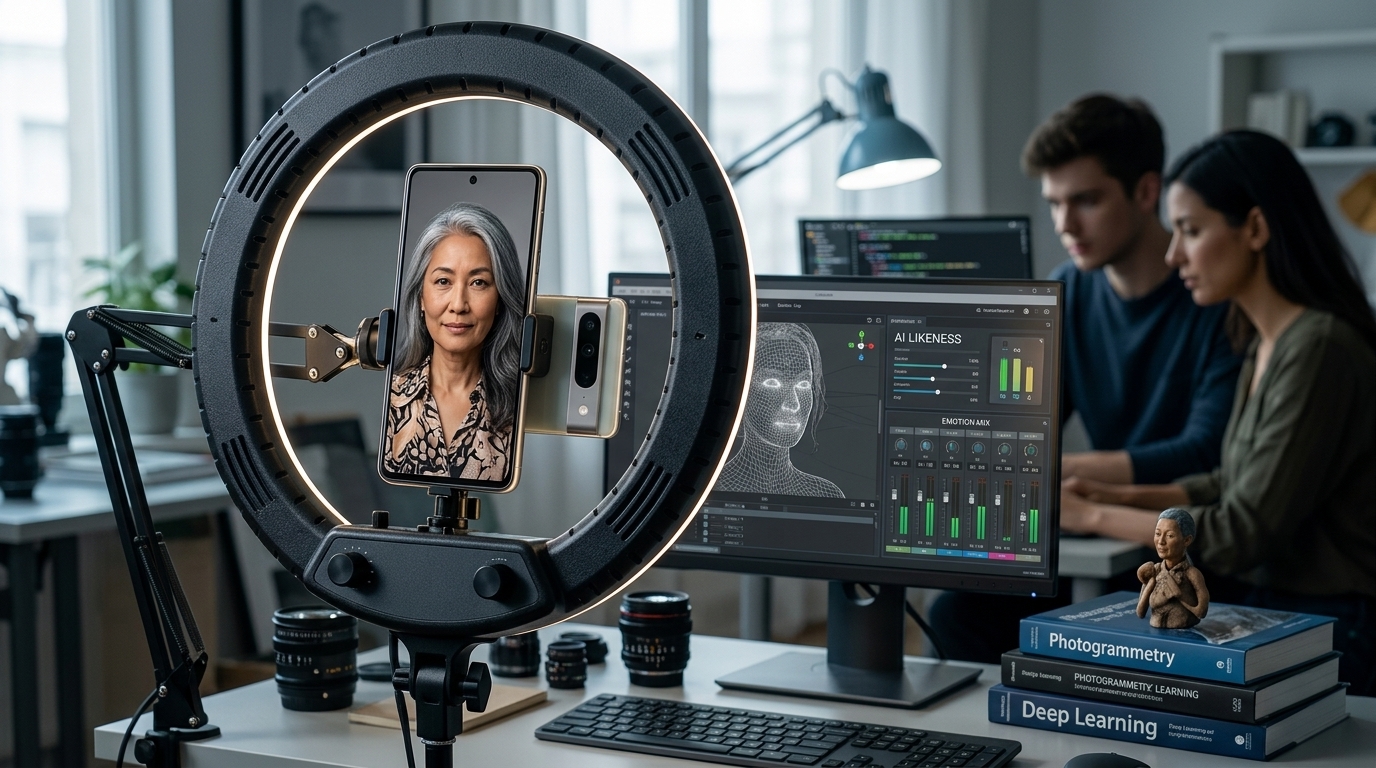
The primary advantage of AI influencers is not just their appearance, but their versatility. A digital influencer does not get tired, does not age, does not get involved in scandals, and, most importantly, can be in a thousand places at once. For companies, this translates into a drastic reduction in production costs. No photographers, travel, makeup artists, or luxury hotels are required. A team of prompt engineers and 3D artists can create an entire campaign in a few hours, perfectly tailored to the preferences of the target audience.
However, this rise does not come without a cost. The "attention economy" is shifting from human connection to algorithmic optimization. AI influencers, such as Aitana Lopez, who earns thousands of euros monthly, are not just images; they are data products. Every post, every "emotion," and every interaction with their followers is the result of Big Data analysis, aimed at maximum possible engagement.
The Paradox of Trust and Audience Psychology
One of the most interesting findings of recent years is the willingness of users, especially Gen Z and Gen Alpha, to follow and trust entities they know are not real. This phenomenon, often described as "Parasocial Relationship 2.0," suggests a shift in human psychology. Authenticity is no longer defined by biological existence, but by the consistency of the digital narrative.
- AI influencers offer a form of "controlled escapism" from reality.
- The absence of human flaws makes them ideal role models in an era seeking visual perfection.
- Interaction via AI chatbots allows for a personalized experience that no human influencer could offer at scale.
"We no longer buy a product because a person recommended it to us, but because the digital reflection of our desires made it seem inevitable," a digital market analyst notes.
Regulatory Framework and Ethical Concerns
The European Union, through the AI Act, has already begun to set strict rules. Mandatory labeling of AI-generated content is the first step toward ensuring transparency. However, deepfake technology and the rapid evolution of Generative AI models make control extremely difficult. The risk of misinformation and the creation of unrealistic beauty standards affecting the mental health of young people remain at the center of the debate.
In conclusion, AI influencers are not a passing fad but the new normalcy of digital commerce. As the boundaries between physical and digital reality blur, society is called to redefine what it considers "real" and what the value of human experience is in a world dominated by pixels and algorithms. The challenge for the future is not the prohibition of these entities, but the education of citizens to navigate with critical thinking in an environment where the image has long since ceased to be proof of truth.