The image of a receptionist greeting you with a standard smile may soon become a relic of the past. In the rapidly evolving world of technology, news of the world's first hotel to be run exclusively by robots is not just a headline for sci-fi enthusiasts, but a significant indicator of where the global hospitality economy is headed. With artificial intelligence having reached a level of maturity that allows for full autonomy, this venture promises to redefine the very concept of service.
The Technological Backbone of Automated Hospitality
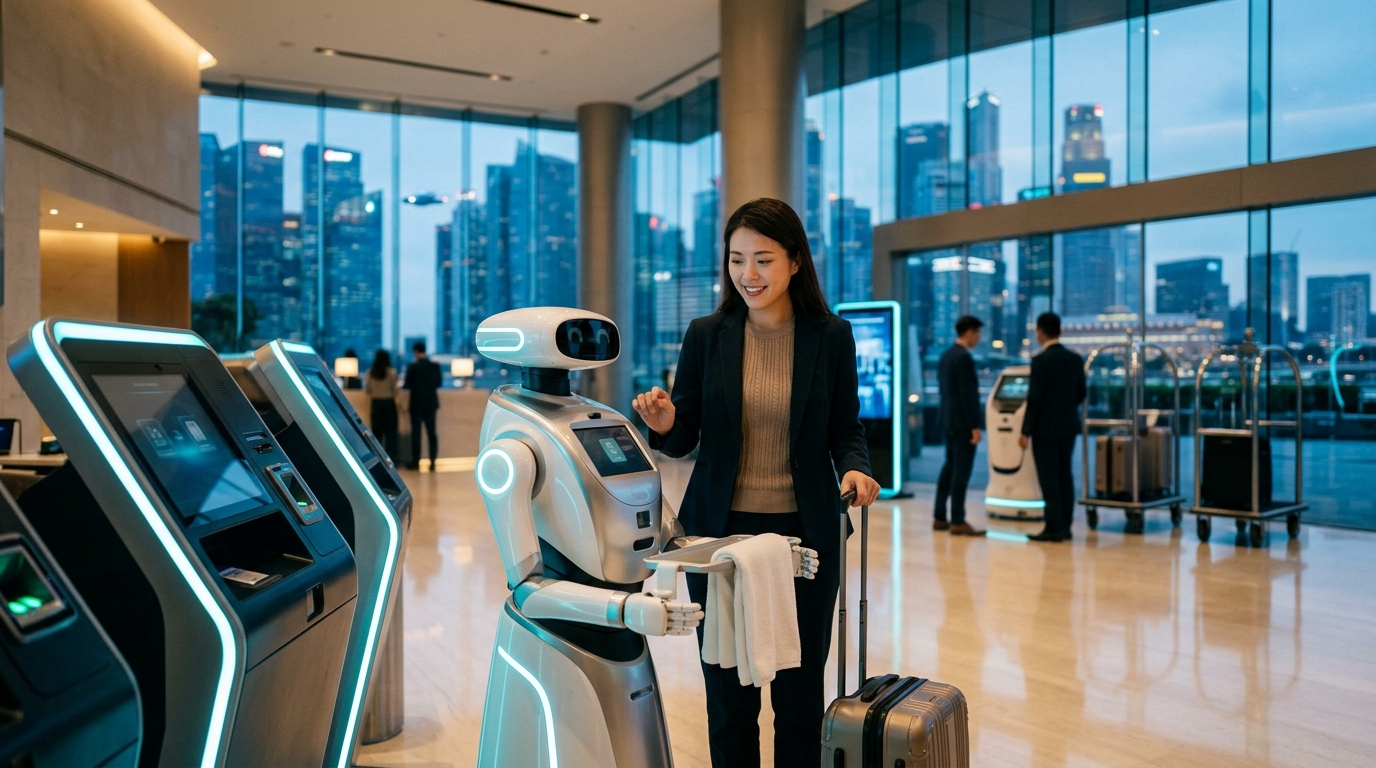
This particular hotel doesn't just rely on a few kiosks for check-in. It is a comprehensive ecosystem where Artificial Intelligence (AI), the Internet of Things (IoT), and advanced robotics work in harmony. From the moment a guest walks through the door, facial recognition takes over the identification process, while robotic arms transport luggage to sterile storage lockers or directly to the rooms.
Inside the rooms, guests interact with digital assistants that control everything: from lighting and temperature to food orders, which are prepared in a fully automated kitchen and delivered by autonomous waiter-robots. The use of 5G technology and lidar sensors allows these robots to navigate hallways safely, avoiding obstacles and people with millimeter precision.
Lessons from the Past: Why Is This Time Different?
This is not the first attempt at such a feat. The famous "Henn na Hotel" in Japan tried to do the same a few years ago but ended up "firing" half of its robots because they caused more problems than they solved. Guests complained about the robots' inability to answer complex questions and frequent technical glitches.
However, in 2026, the situation is radically different. The advent of Large Language Models (LLMs) now allows robots to conduct natural dialogues, understand the guest's tone and emotion, and solve problems in real-time. They are no longer pre-programmed machines, but intelligent systems that learn from every interaction. Technology has moved past the "gimmick" stage and into the realm of substantial functionality.
Economic Implications and the Future of Work
For hotel owners, the allure is obvious: a reduction in labor costs, 24/7 operation without the need for shifts or overtime, and absolute consistency in service quality. At a time when the tourism industry faces severe staffing shortages worldwide, robotics offers a path that seems economically viable in the long run.
On the other hand, serious questions arise regarding the future of millions of workers in the sector. Hospitality has traditionally been a field built on human contact. If this trend prevails, low-skilled jobs will vanish, necessitating a radical retraining of the workforce into roles focused on the maintenance and management of these automated systems.
The Challenge of the "Human" Experience
The big question remains: Can a robot offer "hospitality"? The Greek word "Xenia" embodies the concept of care and moral obligation toward the stranger. Digital precision is welcome when it comes to the speed of check-in, but a lack of empathy can make a stay feel cold and sterile.
Proponents of the model argue that automation frees up time, allowing guests to enjoy their privacy without staff interference. Furthermore, for a new generation of travelers who have grown up with technology, interacting with a screen or a robot is often preferable to awkward social interaction. Whether this model will become the norm or remain a niche luxury for tech enthusiasts remains to be seen.
- Elimination of human error in administrative tasks.
- Significant reduction in long-term operational overhead.
- Enhanced privacy for high-profile guests.
- Potential for 24/7 hyper-personalized services.
"We are not just replacing staff; we are creating a new category of experience where the guest is the absolute master of their environment," says the lead developer of the project.