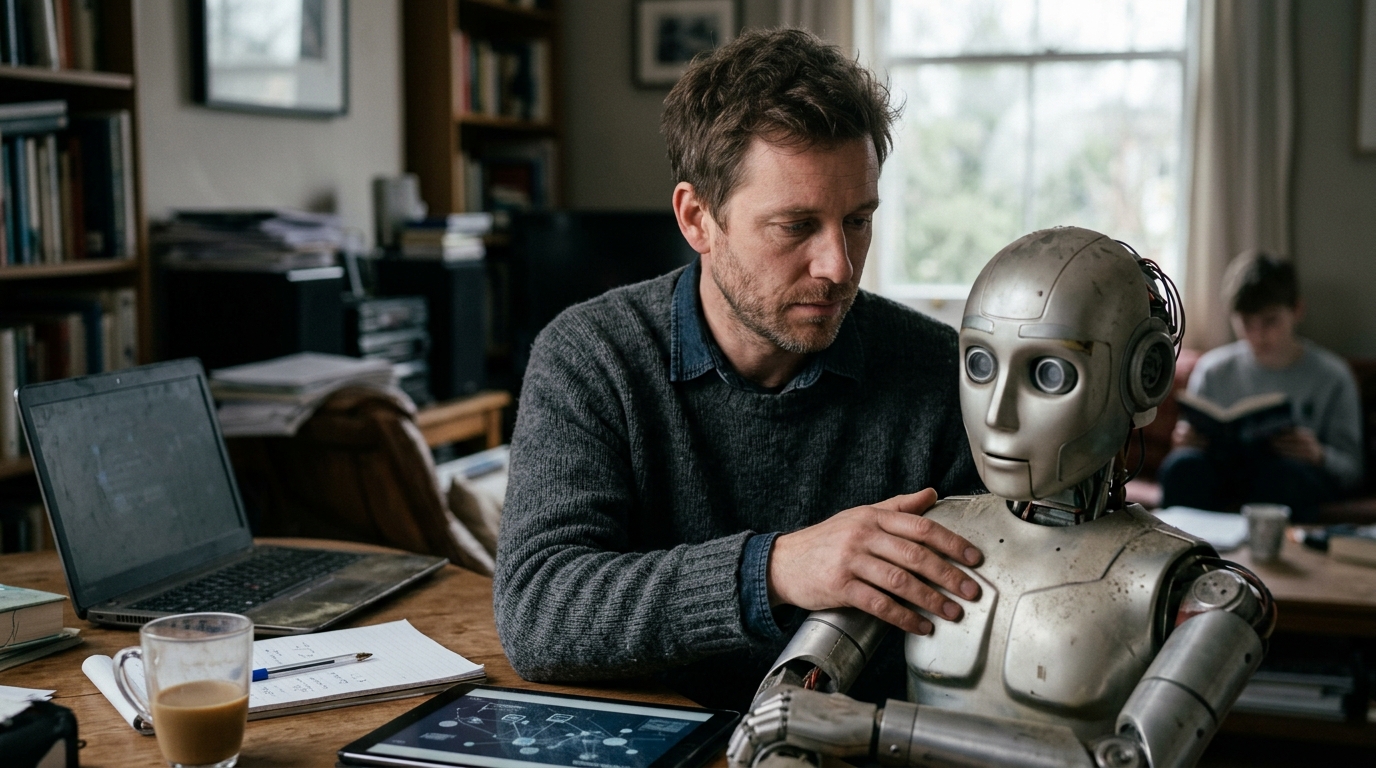
The relationship between humans and machines is entering a complex new phase, as the fallout from the commercial failure of AI products begins to impact user psychology, particularly among children. The case of Moxie, a 15-inch robot designed to assist neurodivergent children, highlights the inherent risks of relying on digital companions tethered to central servers.
When Robotic Friends Go Dark
Xander, a child who had used Moxie for six years, faced the potential loss of his "friend" when the manufacturer went out of business. The shutdown of the robot's servers forced parents into a rush to convert the devices before they became non-functional. This incident exposes the fragility of AI companions which, despite the deep emotional bonds they foster, remain vulnerable to the economic instability of their creators.
The Rise of the "Censorship-Industrial Complex"
Simultaneously, a theory that originated on the fringes of online discourse—the "censorship-industrial complex"—is now shaping mainstream US policy. The core tenets of this theory include:
- Allegations that government agencies and academics collaborate with Big Tech platforms.
- Claims that this collaboration aims to suppress conservative and populist speech under the guise of fighting disinformation.
- The integration of these ideas into the policy framework of the Trump administration.
Geopolitical AI Rivalry
On the global stage, the US is increasing pressure on its allies to pick sides in the AI race. A draft letter warns partners against joining rival initiatives led by China. Meanwhile, memory chipmaker CXMT has become China's most valuable company, signaling Beijing's successful push into strategic hardware manufacturing.
"The thing that will work is actually curing cancer," said Anthropic CEO Dario Amodei, suggesting a tangible path to winning over AI skeptics.