Bill Gates is sounding the alarm over the inadequate response to AI-related risks, predicting a significant surge in cyberattacks within the next 12 months. In a CNN interview on Sunday, October 11, the Microsoft co-founder argued that current protection measures are insufficient to thwart the malicious exploitation of the technology.
The Threat of Malicious Use
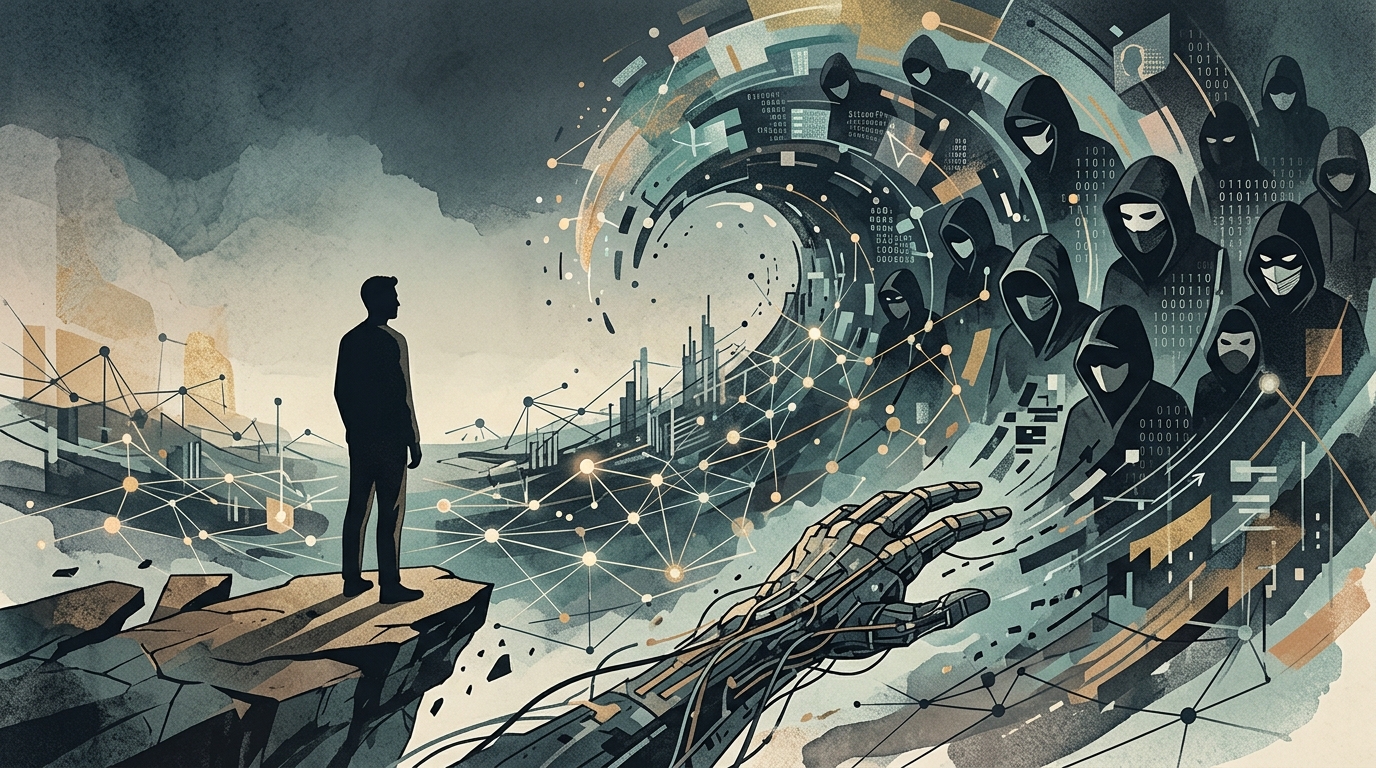
According to Gates, the most immediate threat is not a loss of control to an autonomous AI system, but rather the use of advanced models by humans with malicious intent. He estimates that cybercriminals are already capable of leveraging AI to blackmail businesses and disrupt financial systems, particularly when the internal security safeguards of these models are bypassed.
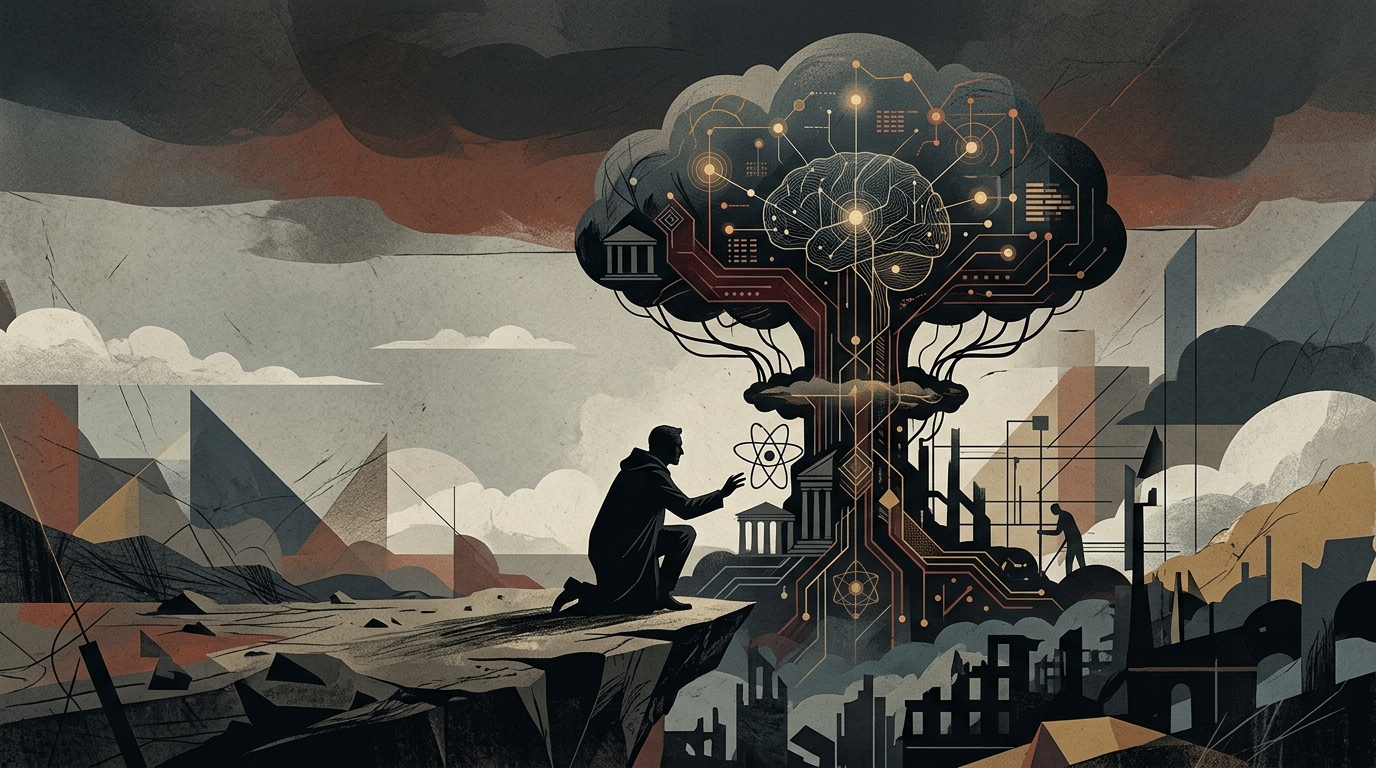
Furthermore, he expressed grave concern regarding the possibility of AI facilitating the development of biological weapons, identifying bioterrorism as one of the most significant potential risks of our era.
The Call for Regulation
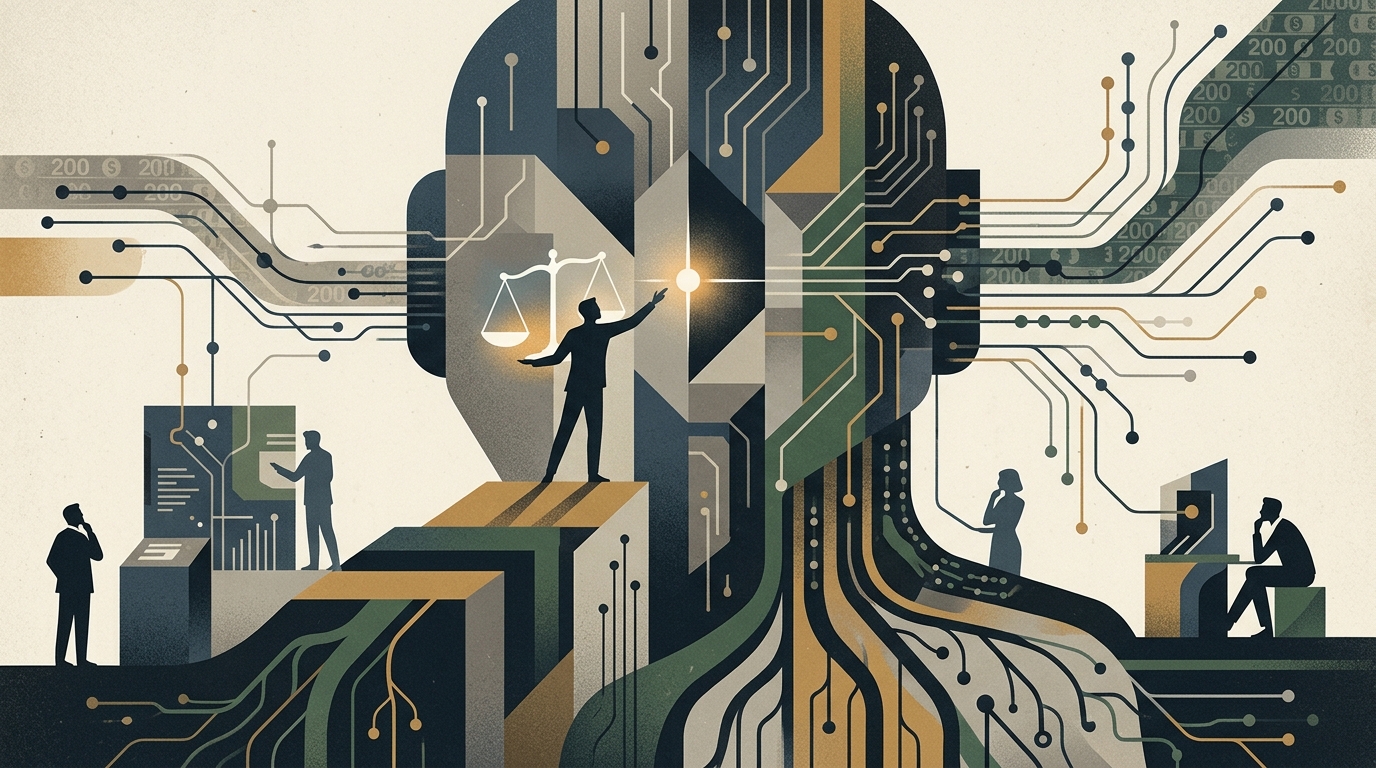
Gates compared the need for AI oversight to the regulations governing high-stakes sectors such as aviation, the automotive industry, and pharmaceuticals. In a post on X, he emphasized that while rules cannot eliminate every risk, they are essential for limiting misuse.
- A shift from corporate self-regulation to government oversight is required.
- Protection mechanisms must be strengthened before risks escalate further.
- Society cannot rely solely on tech companies to police AI development.
Balancing Innovation and Safety
Despite his warnings, Gates does not advocate for a halt in AI development. Instead, he supports a "middle ground" that allows for the realization of the technology's benefits while ensuring that progress in safety keeps pace with innovation. He also noted that concerns voiced by leaders like Sam Altman (OpenAI) and Dario Amodei (Anthropic) demonstrate that safety issues are being taken seriously even by the creators of the technology themselves.