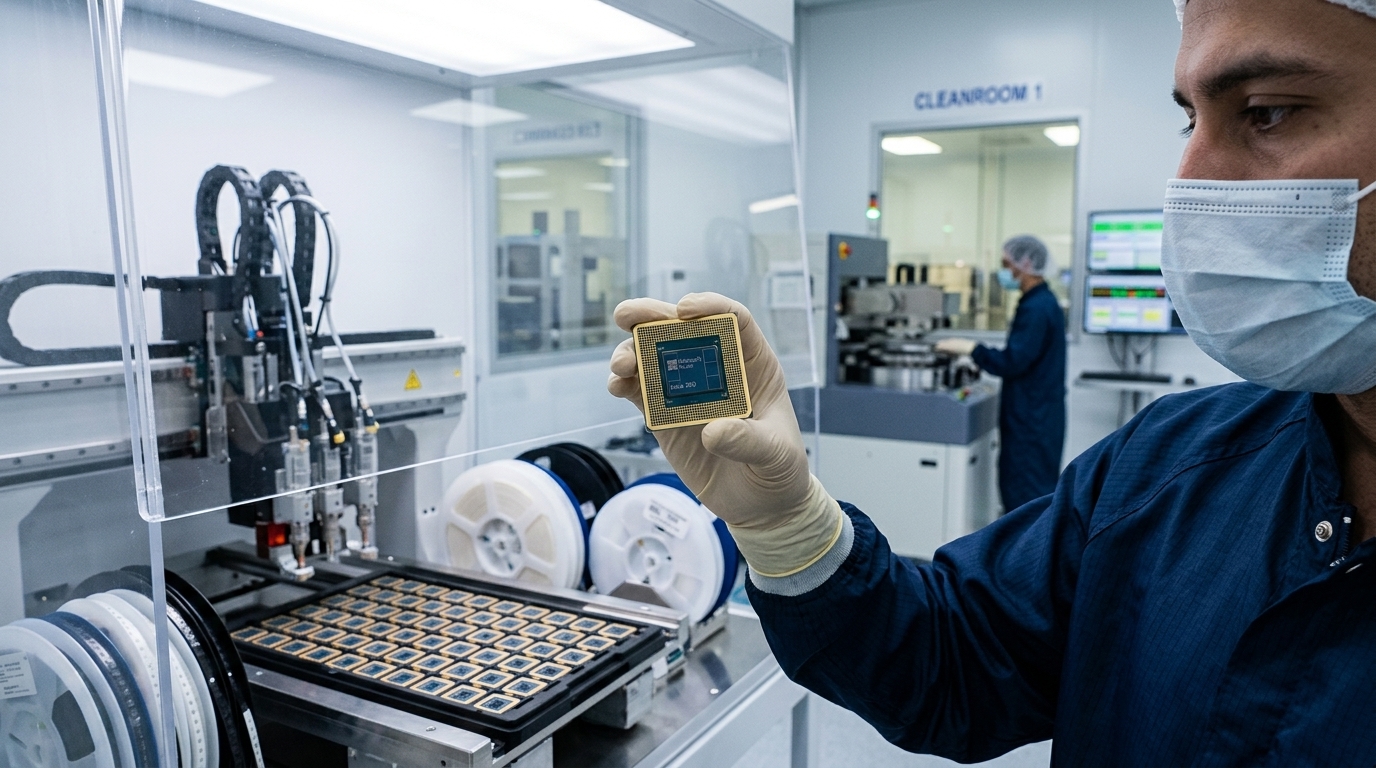
Microsoft is planning to deploy its own artificial intelligence chips following years of reliance on Nvidia's hardware. This move is part of the tech giant's broader strategy to strengthen its full stack of AI technologies, beginning with the third generation of its Maia chip family.
The Evolution of Maia Silicon
The company has already established a roadmap for its custom hardware. The Maia 100 was introduced in 2023, followed by the Maia 200 in January 2024. Microsoft CEO Satya Nadella told analysts in July that the Maia 200 delivers a 30% better performance-per-dollar ratio compared to previous generation hardware and is currently used to run OpenAI models.
Mass production for the next iteration, the Maia 300, is scheduled to begin in 2027. Scott Guthrie, Microsoft's executive vice president, confirmed plans to deploy Maia family chips at scale. Furthermore, technical fellow Jim Kleewein noted that specific Microsoft 365 Copilot functions are expected to become faster due to the Maia 300's capabilities.
Strategic and Financial Implications
The Azure cloud platform remains Microsoft's primary advantage in the AI sector, supporting services like GitHub Copilot. While Nvidia currently dominates the industry, Microsoft is joining a growing list of companies—including Amazon, Google, AMD, and Cerebras—developing proprietary solutions to meet relentless demand and offer more market options.
Microsoft's CFO, Amy Hood, highlighted that the utilization of in-house chips has contributed to improving profit margins over the long term. For general-purpose computing, the company continues to use a mix of its own CPUs alongside hardware from Intel and AMD.