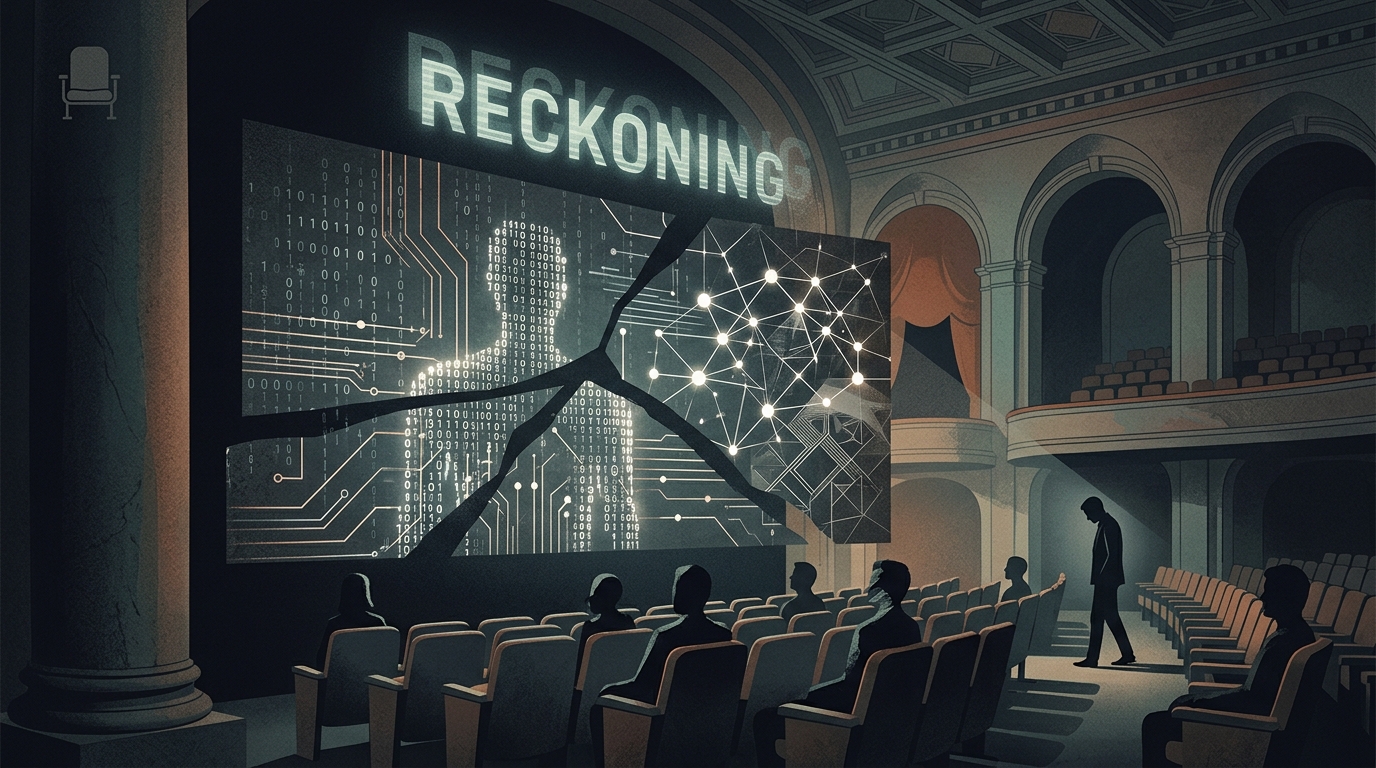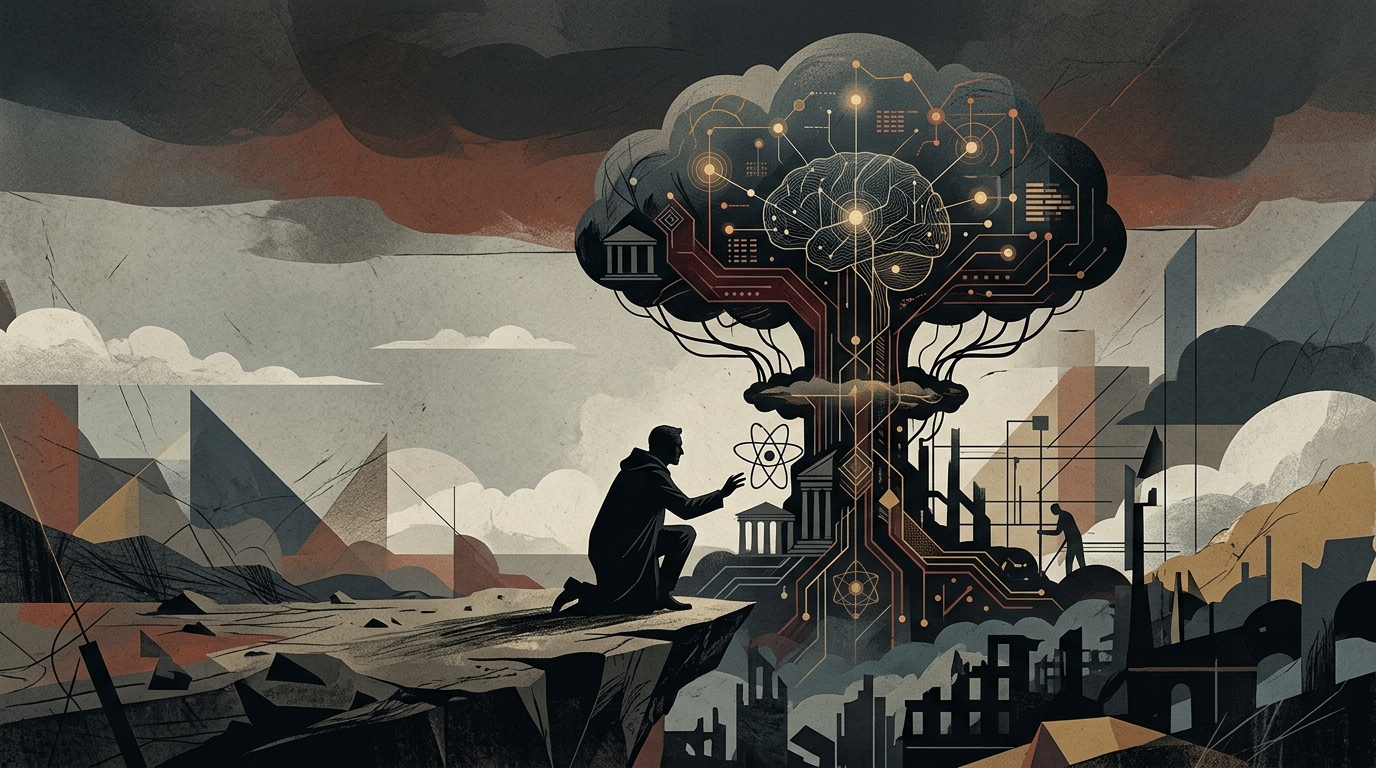
The feeling of living on the eve of destruction is not a novelty; it is a state of being that has persisted for 75 years. From scenes in Mad Men where Don Draper watches Kennedy announce the Cuban Missile Crisis to today's warnings about Artificial Intelligence (AI), the fear of annihilation remains a potent cultural driver.
Anthropic’s Atomic Obsession
At the heart of this debate is Dario Amodei, CEO of Anthropic. According to Kevin Roose’s new book, The AGI Chronicles, Amodei is obsessed with the risks of the atomic age. He reportedly gave every new employee a copy of The Making of the Atomic Bomb, and his personal hero is Leo Szilard, the scientist who conceived the nuclear chain reaction and later drafted the Einstein letter to FDR.
In September, Amodei published an essay titled “We Must Pace the Frontier,” calling for a slowdown in AI model development due to risks like cyberattacks and bioterrorism. Even more striking is the prospectus for Anthropic’s planned IPO, which warns that its technology could pose a “catastrophic or existential risk to humanity”—an odd disclosure for a financial document, given that a market cannot exist without humans to run it.
A “Weapon of Mass Anxiety”
However, not everyone shares this apocalyptic vision. Cal Newport, a Georgetown professor, describes this mindset as a “weapon of mass anxiety.” He argues that doomsday rhetoric stems from a specific Silicon Valley ideological community and resembles a “family fight” rather than computer science. Similarly, Princeton professor Arvind Narayanan contends that AI is a “normal technology,” akin to electricity or the internet, which requires management rather than panic.
James Cameron, who created The Terminator influenced by his father’s bomb-shelter pamphlets, remains wary. In a 2025 statement, he feared an apocalypse where AI is integrated with nuclear defense systems. As the builders of these machines warn of the end of the world, humanity seems to be adjusting once again to life under the specter of a new “bomb.”