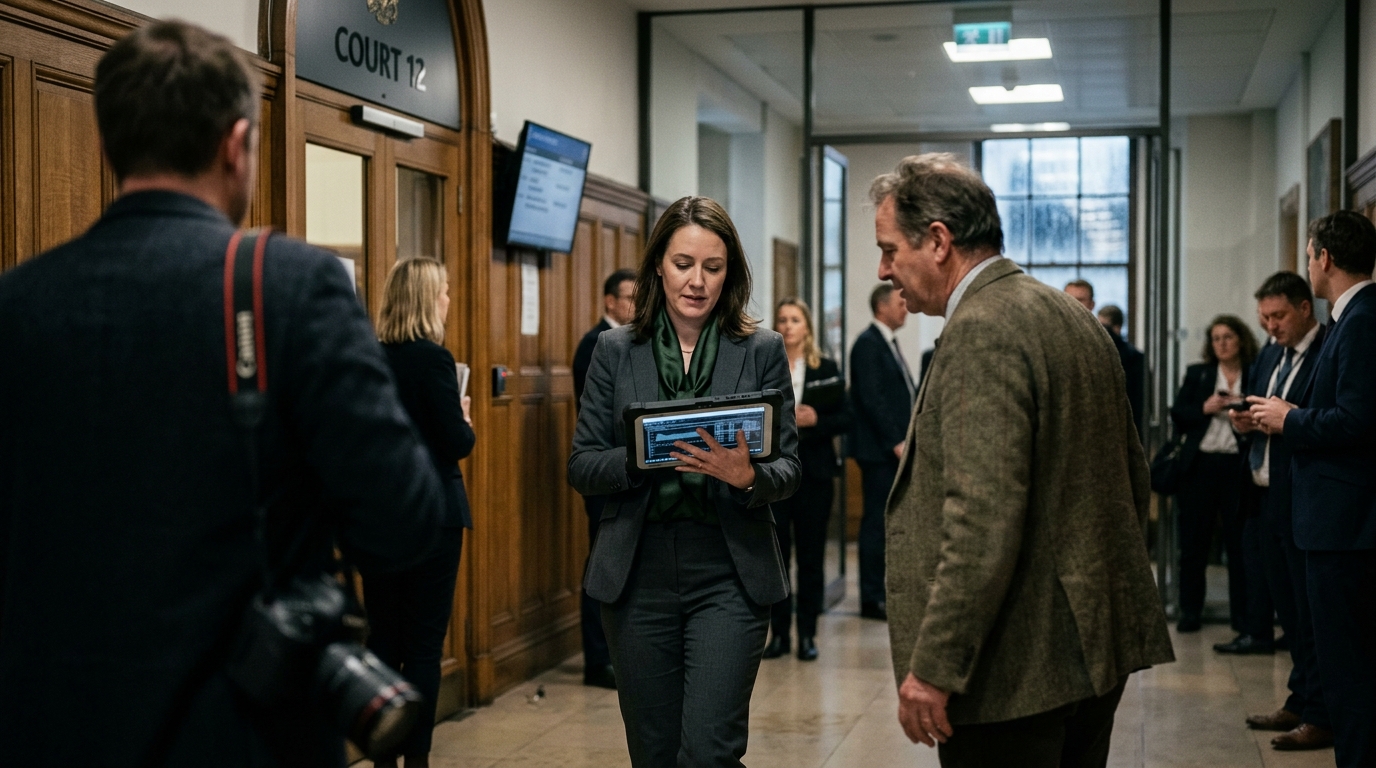
June 23, 2026, will be etched in legal history as the day "digital justice" transitioned from a theoretical concept to an undeniable reality. In a packed British courtroom, an AI-driven law firm achieved an unprecedented victory, overturning decades of traditional legal practice. The case, involving a complex commercial dispute, was decided not merely by the rhetorical prowess of barristers, but by the speed and precision of data processing that only an algorithm could achieve.
Anatomy of a Digital Victory
The stakes were high: a multi-million-pound dispute over contractual breaches in the global supply chain. The party utilizing AI technology—a London-based legal-tech startup—did not rely on armies of junior associates for the discovery process. Instead, they employed an advanced Large Language Model (LLM) fine-tuned on English common law, which analyzed over 500,000 documents in less than 24 hours.
The turning point came when the AI identified a subtle but pivotal inconsistency in an email sent five years ago, a detail that human lawyers on the opposing side had overlooked. This single piece of evidence proved to be the catalyst for the collapse of the plaintiffs' defense. In his ruling, the judge noted that the presentation of evidence was "exemplary in clarity and structure," an implicit nod to the efficacy of algorithmic tools.
The End of the Billable Hour?
This victory brings to the fore a fundamental question about the future of the legal profession: Can the traditional billable hour model survive in a world where AI can complete weeks of work in seconds? Major City of London law firms are watching with bated breath. If a lean team with access to powerful AI tools can outmaneuver industry giants, the very structure of the legal market is set for a radical transformation.
However, the use of AI in courts is not without its perils. Critics warn of "hallucinations," where AI might fabricate non-existent legal precedents. In this specific case, the British firm implemented a strict "human-in-the-loop" system, where seasoned attorneys verified every finding generated by the algorithm. This synergy of human judgment and machine power seems to be the "golden ratio" that will define the next decade of legal practice.
Ethical Dilemmas and Access to Justice
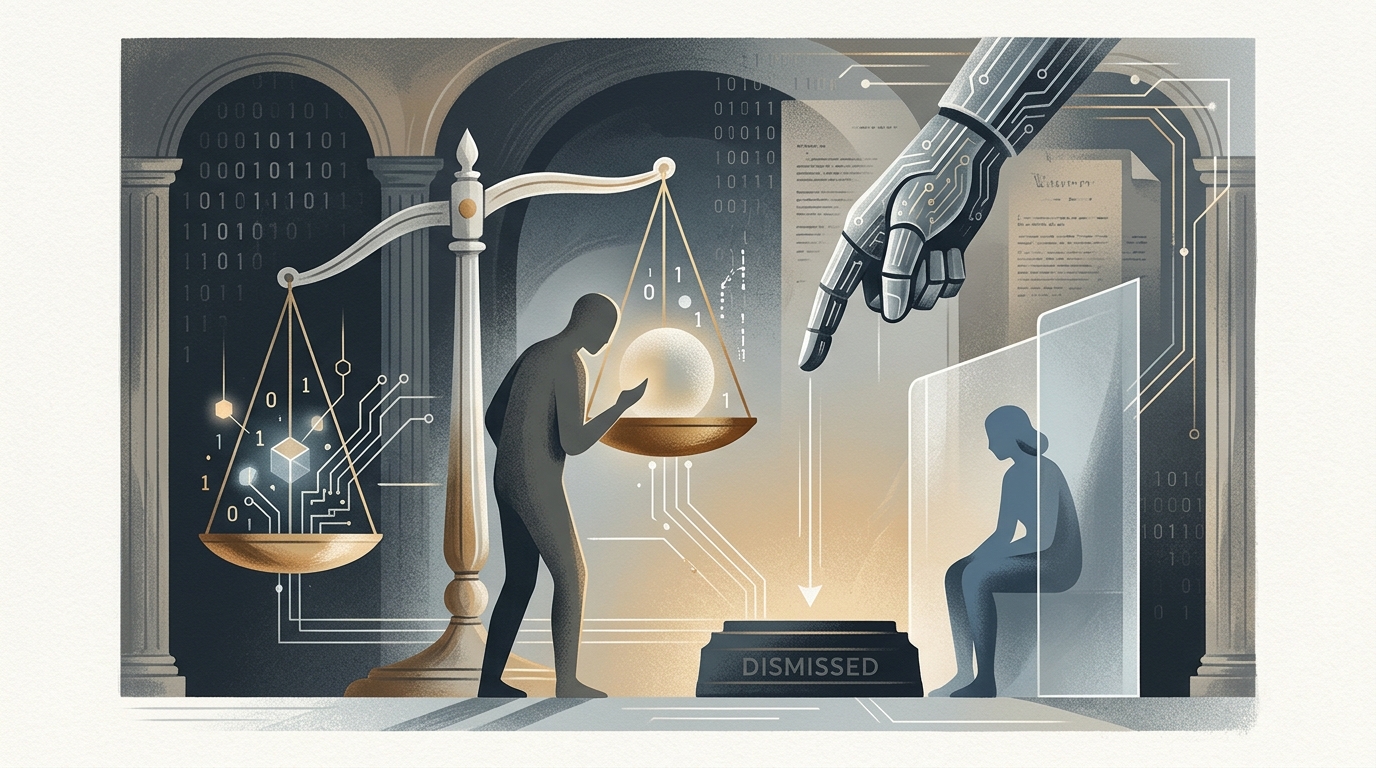
Beyond the economic implications lies a profound ethical dimension. AI promises to democratize access to justice by drastically reducing the cost of legal representation. For the average citizen or a small business, the ability to access "Magic Circle quality" counsel at a fraction of the cost is revolutionary. Conversely, there is the fear of "black box logic": How can we trust a judicial outcome if we cannot fully comprehend the logical path the algorithm took to reach its conclusion?
- Document review speed reduced from months to mere hours.
- Legal preparation costs were slashed by approximately 70%.
- Accuracy in identifying critical evidence saw a significant uptick.
- The necessity for human oversight remains paramount to prevent errors.
The British judiciary, often characterized by its conservatism, has shown remarkable adaptability. New guidelines recently issued by the High Court permit the use of AI, provided there is full disclosure and transparency. This victory serves as the first major precedent in a series of cases that will test the boundaries of technology and ethics.
Conclusion: A New Era for Themis
As the dust settles from this landmark battle, the message is clear: AI is no longer just a support tool; it is a protagonist in the courtroom. Legal science, which for centuries relied on the memory and interpretation of the human mind, must now integrate machine learning. The challenge for legislators and judges will be to ensure that, despite technological leaps, justice remains blind to bias but perfectly clear-sighted regarding the truth.