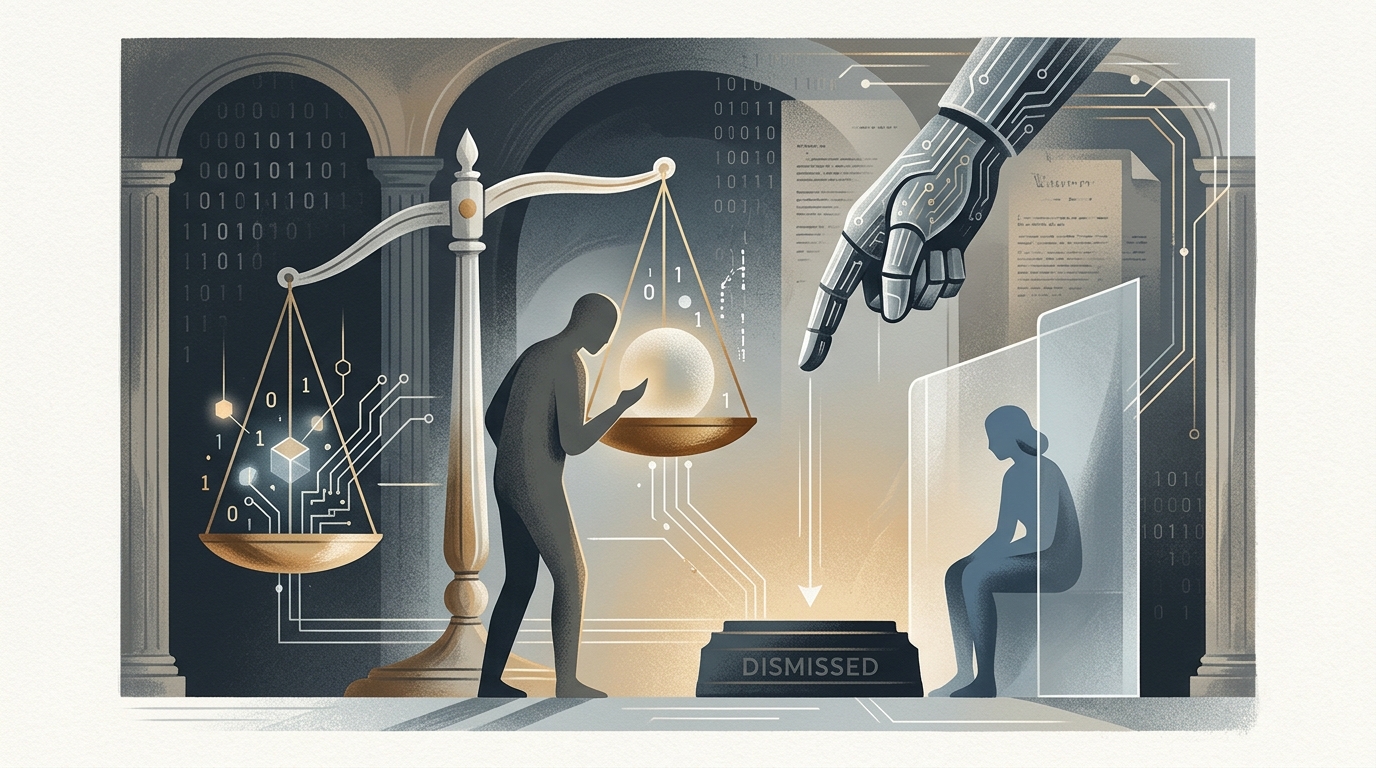
The news that Oracle, a cornerstone of global enterprise software and cloud infrastructure, cut approximately 21,000 jobs during its 2024 fiscal year is not merely a routine corporate restructuring. It is a loud signal of how Artificial Intelligence (AI) is redrawing the employment map in the tech sector. According to the company's annual report (Form 10-K), the number of full-time employees dropped from 164,000 to 143,000—a 12.8% reduction that reflects a harsh new reality: automation is no longer a future threat, but a present strategic choice.
The Cerner Integration and the AI Catalyst
One of the primary drivers behind these massive cuts is the integration of Cerner, the healthcare technology giant Oracle acquired for $28 billion in 2022. Larry Ellison, Oracle’s founder and chairman, has been explicit about his vision: transforming traditional, cumbersome healthcare systems into "autonomous" systems powered by AI. This transition requires fewer people to maintain and manage legacy infrastructure, as algorithms take over the heavy lifting of data processing and decision-making.
Oracle’s strategy isn’t limited to healthcare. The company is aggressively pushing its "Autonomous Database," which promises self-patching, self-tuning, and self-securing capabilities without the need for human intervention. For shareholders, this means a drastic reduction in operating costs. For employees, however, it means that skills once considered essential for database management and software engineering are being automated at scale.
Efficiency vs. Human Capital
The Oracle case fits into a broader trend seen across Silicon Valley. While tech companies report record profits and their stock prices soar due to "AI mania," mass layoffs continue. Management’s argument is often centered on "efficiency." In reality, we are in a phase where capital is shifting from human labor to computational power. Oracle is investing billions in NVIDIA chips and new data centers at the same time it is slashing its payroll expenses.
- Process Automation: The use of Generative AI for code generation has reduced application development time, decreasing the need for large engineering teams.
- Sales Restructuring: Oracle has pivoted its sales model, focusing more on automated cloud services rather than traditional software licensing deals.
- Cerner Synergies: Layoffs in the healthcare division were expected following the acquisition as Oracle seeks to eliminate overlapping roles and legacy positions.
The Investor Perspective and the Future of Work
Despite the layoffs—or perhaps because of them—Oracle’s market valuation has seen impressive growth. Investors are rewarding the company’s ability to expand margins while positioning itself as a dominant player in AI infrastructure. However, the social dimension of these moves is troubling. When a company of this magnitude sheds 13% of its workforce in 12 months, it creates a vacuum in the labor market that is not easily filled by the "new AI jobs" often promised by technocrats.
"We no longer need armies of people to manage data. We need smart systems that do it themselves," Ellison recently stated, setting the tone for the new era.
The remaining question is whether this trend will extend to other sectors beyond technology. If Oracle can operate with 21,000 fewer employees thanks to AI, what stops a bank or an insurance company from doing the same? The transition we are witnessing is not just technological; it is deeply economic and class-based, as value is transferred from those who perform the work to those who own the algorithms.
Conclusion
The Oracle of 2026 is a leaner, more profitable, and more automated machine. The 21,000 laid-off workers represent the "collateral damage" of a technological revolution that promises abundance but, for now, seems to concentrate wealth and diminish job security. The challenge for governments and society is now to find ways to manage this transition before AI "efficiency" leads to a permanent employment crisis for white-collar workers.