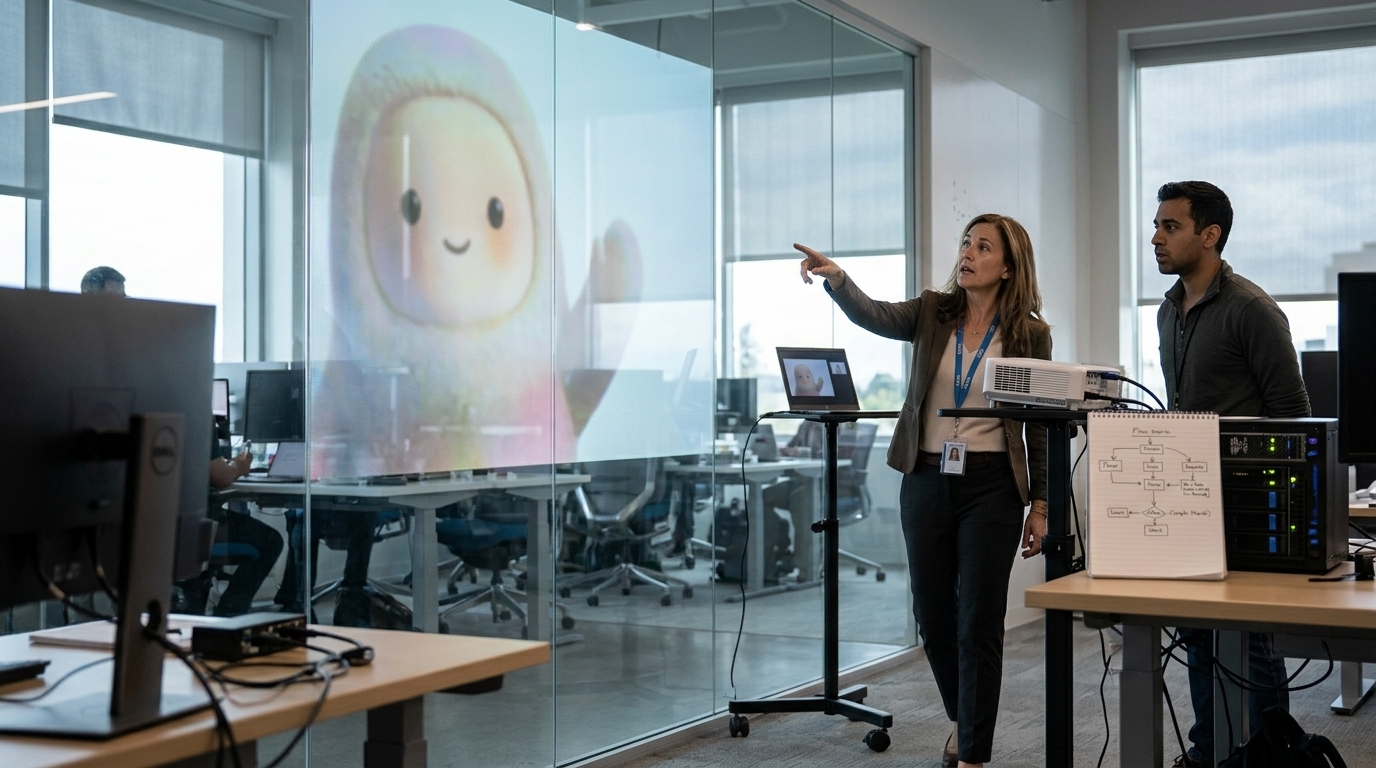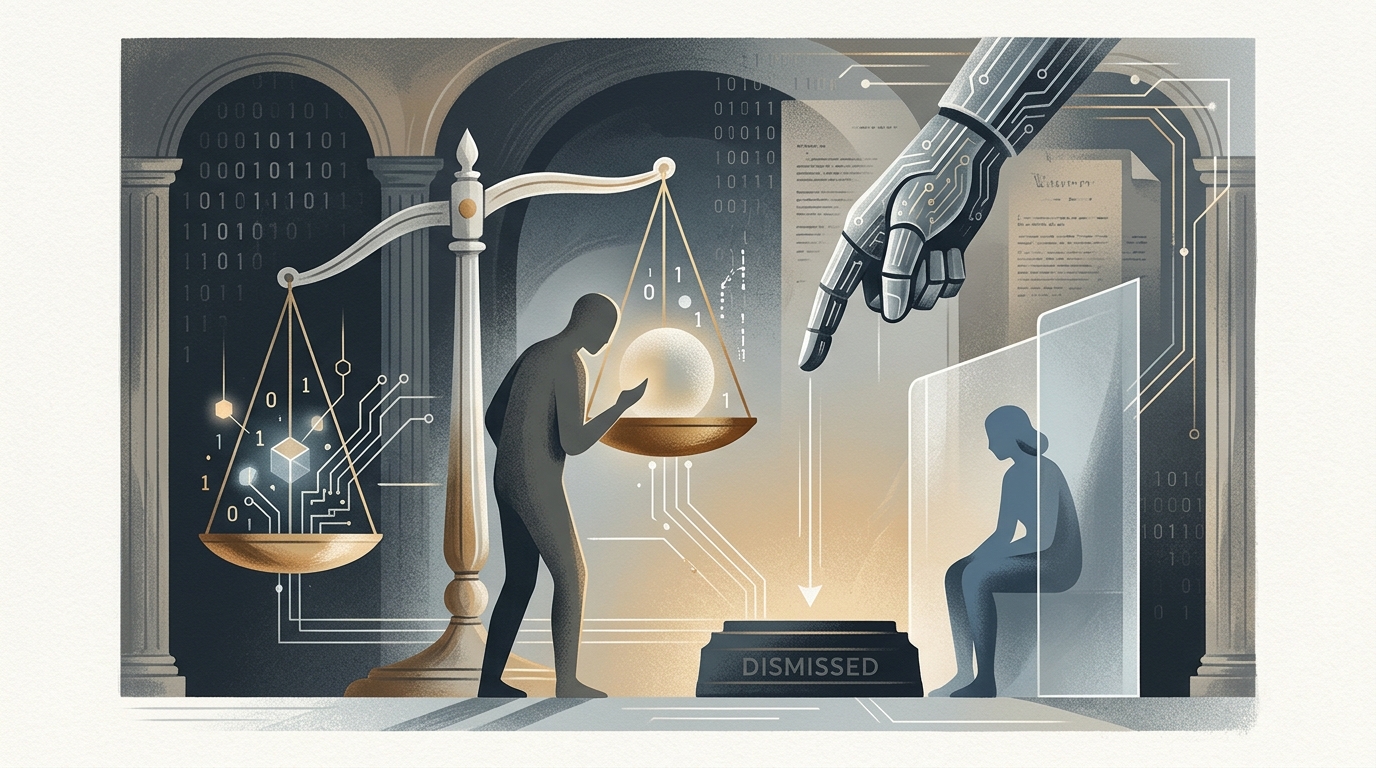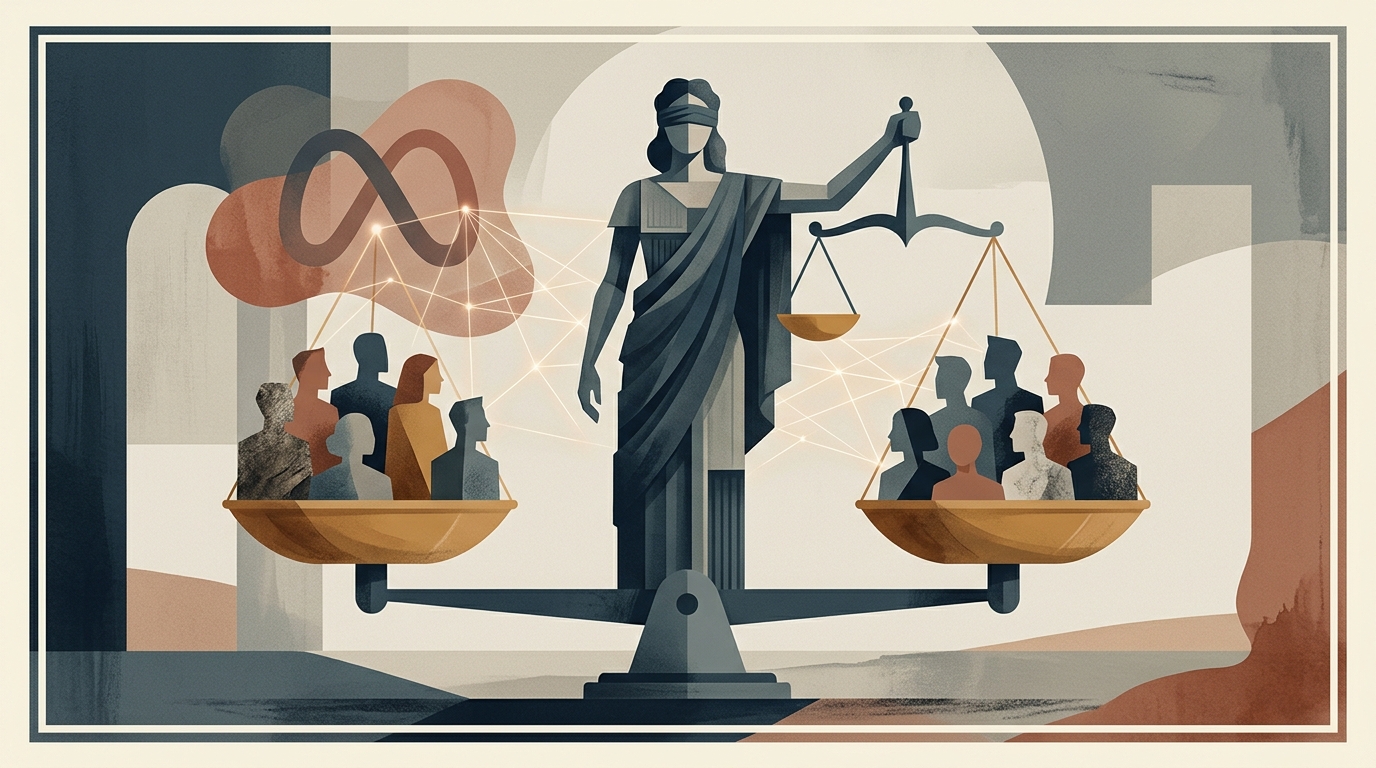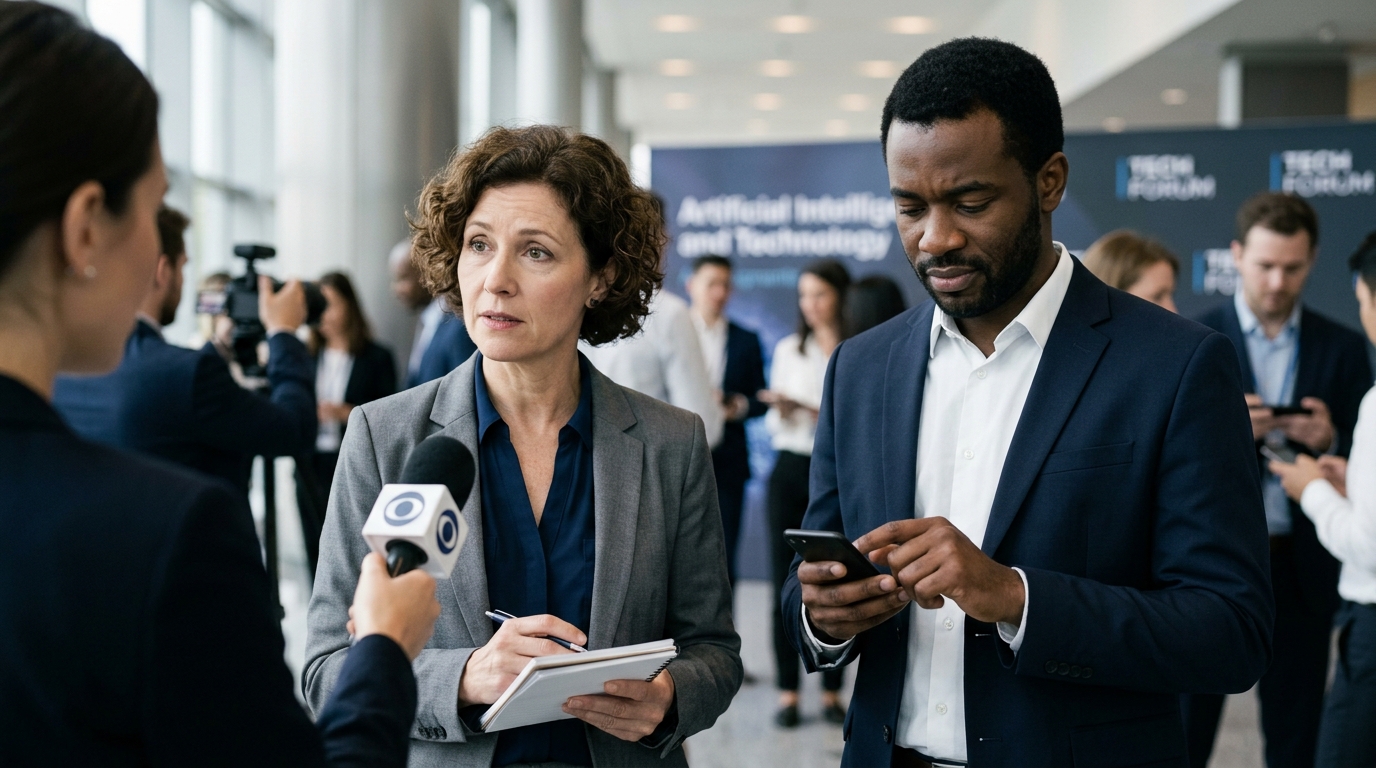
In an era where the boundaries between physical and digital reality are becoming increasingly blurred, the advertising industry is undergoing a seismic shift. According to recent reports by The Guardian and international analysts, major brands are gradually moving away from traditional flesh-and-blood influencers, investing heavily in "digital entities" created by artificial intelligence. These AI influencers, with millions of followers and flawless appearances, are not merely technological feats; they are the new tools of a capitalism seeking ultimate control over messaging and costs.
The Economy of Perfection and the Erasure of the Human Element
Why would a company prefer a model that doesn't exist in reality? The answer is multi-layered. AI influencers, such as Aitana Lopez or Lil Miquela, offer a level of control that no human can guarantee. They don't get sick, they don't get tired, they don't get embroiled in personal scandals, and most importantly, they don't age. For marketing departments, this translates to a drastic reduction in production costs—no travel, no hotels, no photographers, or makeup artists are required. A single prompt on a powerful computer is enough to place the product in the most exotic location in the world.
However, this economic efficiency masks a darker side. This shift directly threatens the livelihoods of thousands of content creators, models, and fashion industry professionals. As algorithms take over the role of "ambassador," human creativity is relegated to a data-processing task, and the media job market takes another hit from automation.
Ethical Dilemmas and the Illusion of Authenticity
The most pressing issue arising is transparency. Often, social media users—especially younger demographics—struggle to discern whether the face they see on their screen is real. The creation of parasocial relationships with entities that lack consciousness but are programmed to be attractive creates a new kind of manipulation. When an AI influencer promotes a skincare product, the advertisement is inherently deceptive: the "model" has no skin, has never used the product, and the results we see are a product of digital pixel manipulation.
"The use of AI influencers is not just a technological evolution, but an ethical retreat from truth in advertising," state ethics experts.
Furthermore, the beauty standards being promoted are unattainable. AI influencers are designed based on mathematical formulas of attractiveness, reinforcing user insecurities. Constant exposure to "perfect" digital bodies can exacerbate issues such as body dysmorphia and eating disorders, as comparisons are now made against something that isn't even human.
Regulatory Frameworks and the Future of Trust
The European Union, through the AI Act, is attempting to establish some ground rules, requiring clear labeling of AI-generated content. However, implementing these rules in practice remains a challenge. Social media platforms often lag in enforcing strict controls, while companies find loopholes to maintain the illusion of authenticity.
In the future, consumer trust will be the most expensive currency. As the internet becomes flooded with synthetic content, the need for "real" connection may lead to a backlash and a resurgence of the human element. Brands that choose to remain "human" might find a new, high-quality audience that finds digital sterility repulsive. Until then, however, we must learn to look behind the pixels and ask: who is pulling the strings of this digital puppet show?
- The necessity for mandatory watermarks on AI content.
- Psychological pressure on teenagers from synthetic beauty standards.
- Job losses in the creative sector due to automation.
- Legal liability of corporations for false claims made via AI avatars.