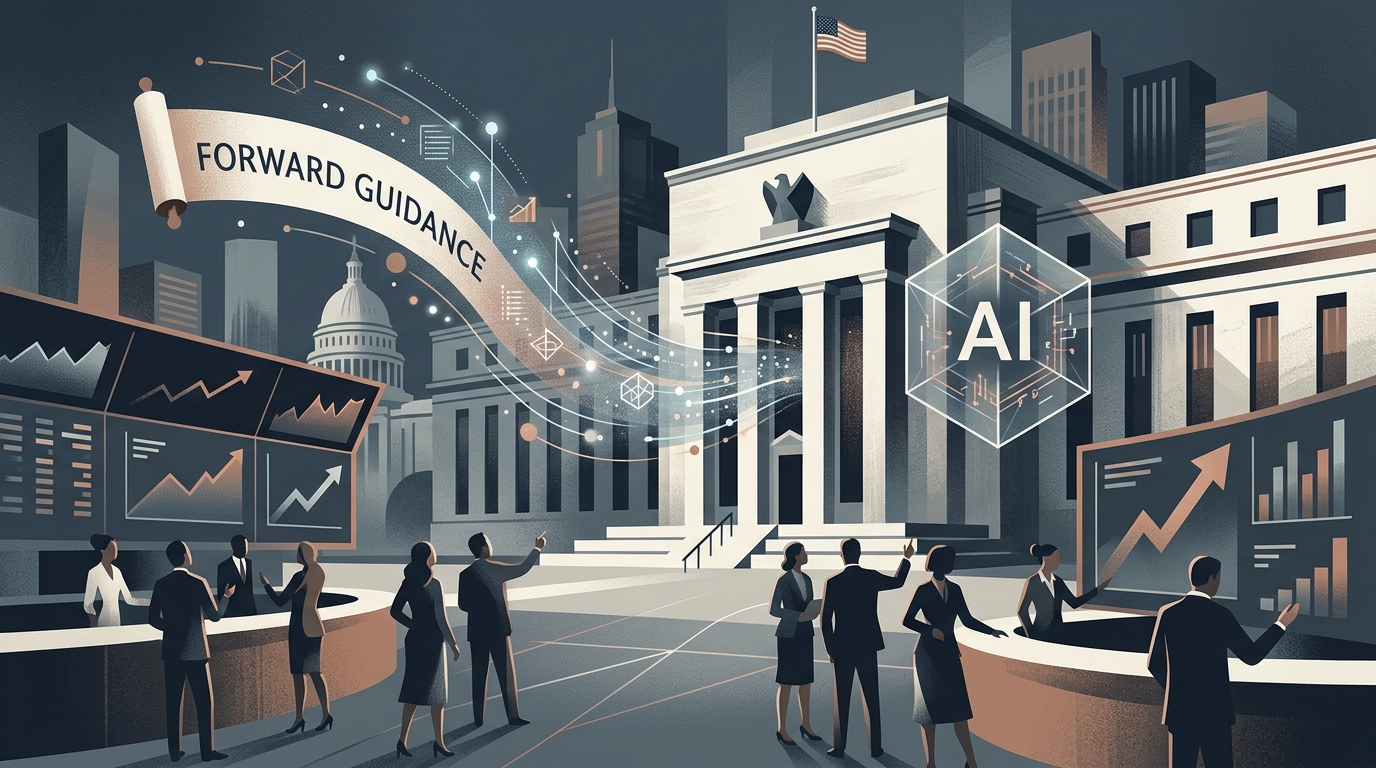
At the 2026 Jackson Hole annual symposium, the new Federal Reserve Chair, Kevin Warsh, presented a vision that significantly departs from the path of his predecessors. Instead of providing markets with the expected short-term interest rate signals, Warsh chose to focus on the structural transformation of the economy through artificial intelligence and productivity.
Ending the 'Hall of Mirrors'
A central point of his speech was the critique of "forward guidance." Warsh warned of the risk of creating a "hall of mirrors," where the Fed and the markets become trapped in a vicious cycle of mutually monitoring each other's expectations. His goal is a central bank that does not act as a "referee" for investors but allows them to evaluate data autonomously.
This shift is also grounded in lessons learned from the 2021-2022 policy failures. Warsh referenced the Fed's delay in reacting to inflation during that period, which surpassed 9% in the US and severely impacted household purchasing power. This experience now leads toward a more flexible and less predictable communication strategy.
AI as a New Factor of Production
Perhaps Warsh's most significant intervention concerns the recognition of Artificial Intelligence as a "new factor of production." According to the analysis, AI is not merely a technological cycle but a force that can alter the fundamental parameters of monetary policy.
- Productivity: A significant increase could allow for faster growth without inflationary pressures.
- Interest Rates: Changes in productivity affect the level of rates considered compatible with economic growth.
- Labor Market: AI causes shifts across sectors and professions, requiring a more complex approach from the central bank.
By adopting a "North Star" long-term strategy, Warsh seeks to shift focus from monthly inflation fluctuations to the fundamental forces shaping the future, such as geopolitical factors and innovation.