

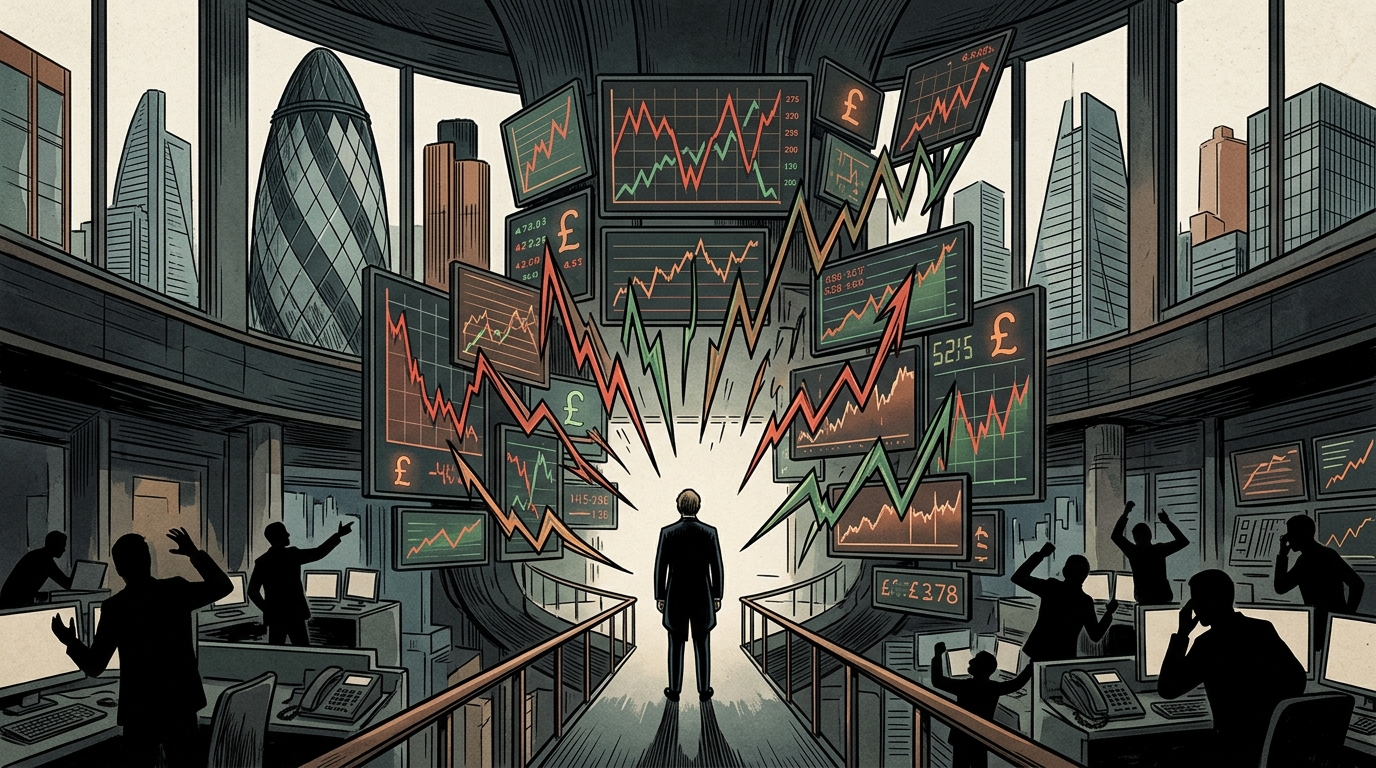
On Monday, Andy Burnham steps in as the United Kingdom’s seventh prime minister within ten years, immediately grappling with the fallout of a bond market crisis that occurred three governments ago. Despite the leadership transition, market experts suggest that the $4.2 trillion economy remains beholden to the whims of bond investors.
A Persistent State of Market Instability
A recent International Monetary Fund (IMF) analysis underscored the ongoing economic burdens facing the U.K. The 2022 fiscal disaster under Liz Truss—triggered by tax cuts without clear funding—created what the IMF describes as a fundamental change in the gilt market's stability.
The IMF's data reveals a shifting landscape for British debt:
- International investors now play a more significant role in the U.K. bond market.
- External global factors were responsible for 60% to 90% of yield fluctuations between 2020 and 2026.
- Non-domestic entities currently possess nearly 30% of the nation's sovereign debt.
The Enduring Power of Bond Vigilantes
Ed Yardeni, the veteran analyst who first identified "bond vigilantes" four decades ago, argues that Burnham is stepping into the same volatile environment that brought down his predecessors. Although Burnham expressed frustration in late 2025 about the country being "in hock" to these markets, he may find it difficult to break free.
blockquote>“Investors know it’s the bond market that will call the shots in the $4.2 trillion economy no matter who sits in the prime minister’s office,” Yardeni noted in a recent memo.While the prospect of Shabana Mahmood becoming Chancellor has provided some market optimism, Yardeni warns that these "vigilantes" remain on high alert. Burnham must now attempt to stimulate a stagnant economy without alienating the bond market with his fiscal choices. The IMF further noted that increasing taxes on high earners could be counterproductive, suggesting instead that the government focus on tax adjustments for lower earners paired with specific welfare transfers.





