As the 2026 World Cup unfolds across the stadiums of North America, the heart of the British economy is beating to the rhythm of goals and saves. Despite the geographical distance and the significant time difference, the tournament's impact on the United Kingdom is anything but negligible. British pubs, supermarkets, and electronics retailers are experiencing a period of intense activity, serving as a necessary lifeline following a prolonged period of economic uncertainty and inflationary pressures.
Pubs as Pillars of the Local Economy
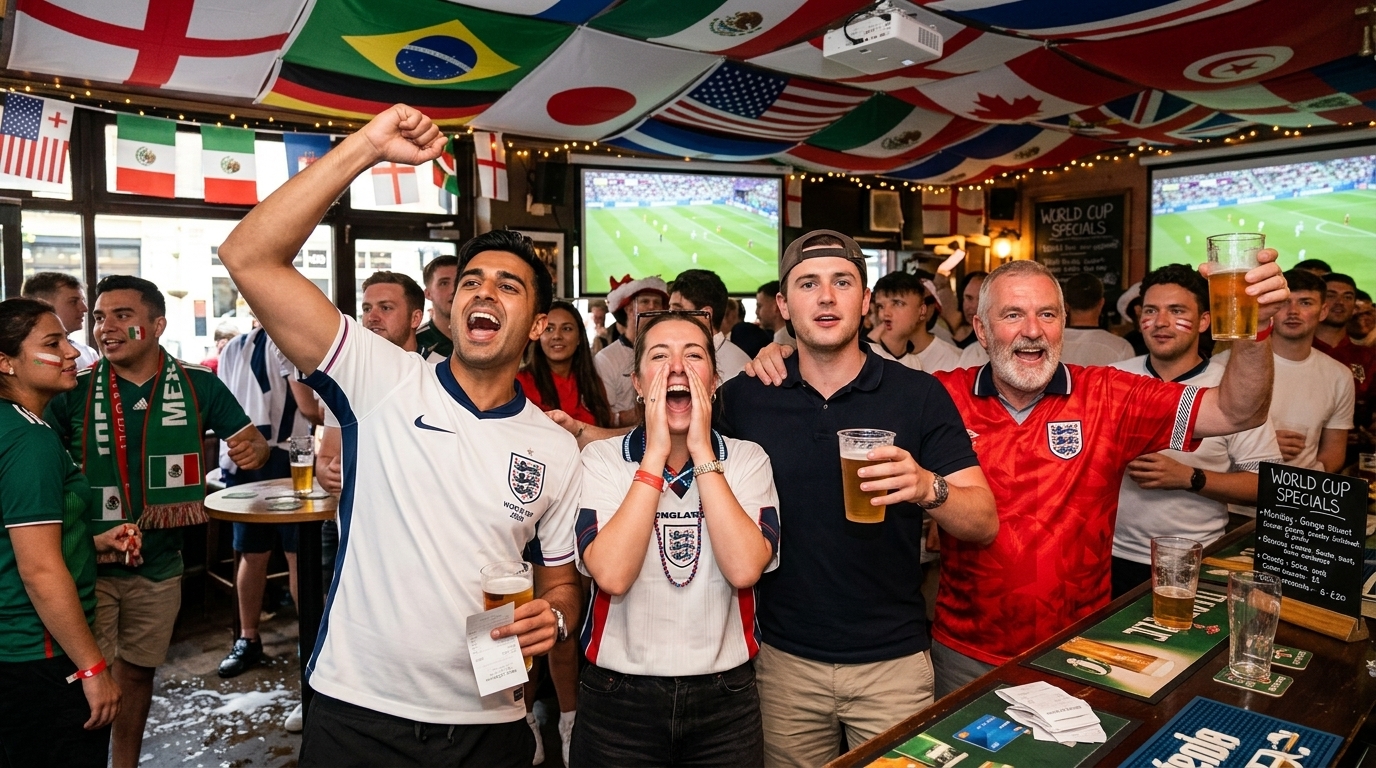
For the average Briton, football is inextricably linked to pub culture. According to the British Beer and Pub Association (BBPA), every England national team match adds millions of extra pints to total consumption. Estimates suggest a liquidity injection exceeding £600 million for the hospitality sector alone, provided the team progresses to the knockout stages. The government, recognizing the significance of the moment, has already implemented temporary relaxations of licensing hours, allowing pubs to stay open late to cover matches played in US and Mexico time zones.
However, the challenge for pub owners remains the cost of operation. Despite increased footfall, profit margins are being squeezed by high energy prices and rising wages. "It’s not just the volume of beer sold, but the atmosphere that brings people back to the high street," says a market analyst. The 'experience economy' seems to be winning the bet, as consumers seek collective experiences after years of social isolation and economic caution.
The Living Room Revolution: TVs and Delivery
While pubs are filling up, an equally large segment of economic activity is shifting to the home. Sales of high-definition televisions (4K and 8K) saw a sharp increase in the weeks leading up to the tournament. Consumers appear to be investing in home entertainment, viewing it as a long-term purchase justified by the major sporting event. Major retailers like Currys and John Lewis reported sales increases of up to 15% compared to the same period last year.
Simultaneously, the food delivery and supermarket sectors are enjoying 'golden' days. Demand for pizza, snacks, and alcoholic beverages for home consumption has created a parallel market worth millions. The 'pizza effect' is now a measurable metric, with delivery companies bolstering their fleets to handle peak demand during half-time intervals. Supermarkets, for their part, are using the World Cup to promote bundle deals, increasing the average household basket value.
Macroeconomic Implications and Consumer Confidence
Beyond the immediate gains in specific sectors, the World Cup acts as a psychological tonic for the British economy. An increase in consumer confidence often translates into broader spending, as the positive mood resulting from sporting success reduces savings-related hesitation. Economists point out that while the World Cup cannot solve the structural problems of the British economy, it can provide a temporary but significant boost to the GDP of the third quarter of 2026.
"Football in the UK is not just a sport; it is an economic mechanism that mobilizes billions of pounds through the emotional engagement of the public," notes Clio, analyzing market data.
In conclusion, the 2026 World Cup is proving to be much more than a series of football matches. It is a mirror of modern consumer habits, where technology, hospitality, and retail interact to create a wave of growth. For Britain, success on the pitch might be the best 'fiscal policy' for this summer.