In the heat of July 2026, the whispers of diplomacy in Doha's luxury hotels are reaching an intensity not seen in years. The United States and Iran, two sworn rivals with a history of suspicion and proxy conflicts, are back at the table—albeit at a technical level—to discuss the unthinkable: a sustainable de-escalation in the Strait of Hormuz. The news, initially reported by Fortune Greece, is not just about a routine meeting, but an effort to redefine the rules of navigation in one of the world's most critical geopolitical chokepoints.
The Strategic Importance of Hormuz and the Stakes
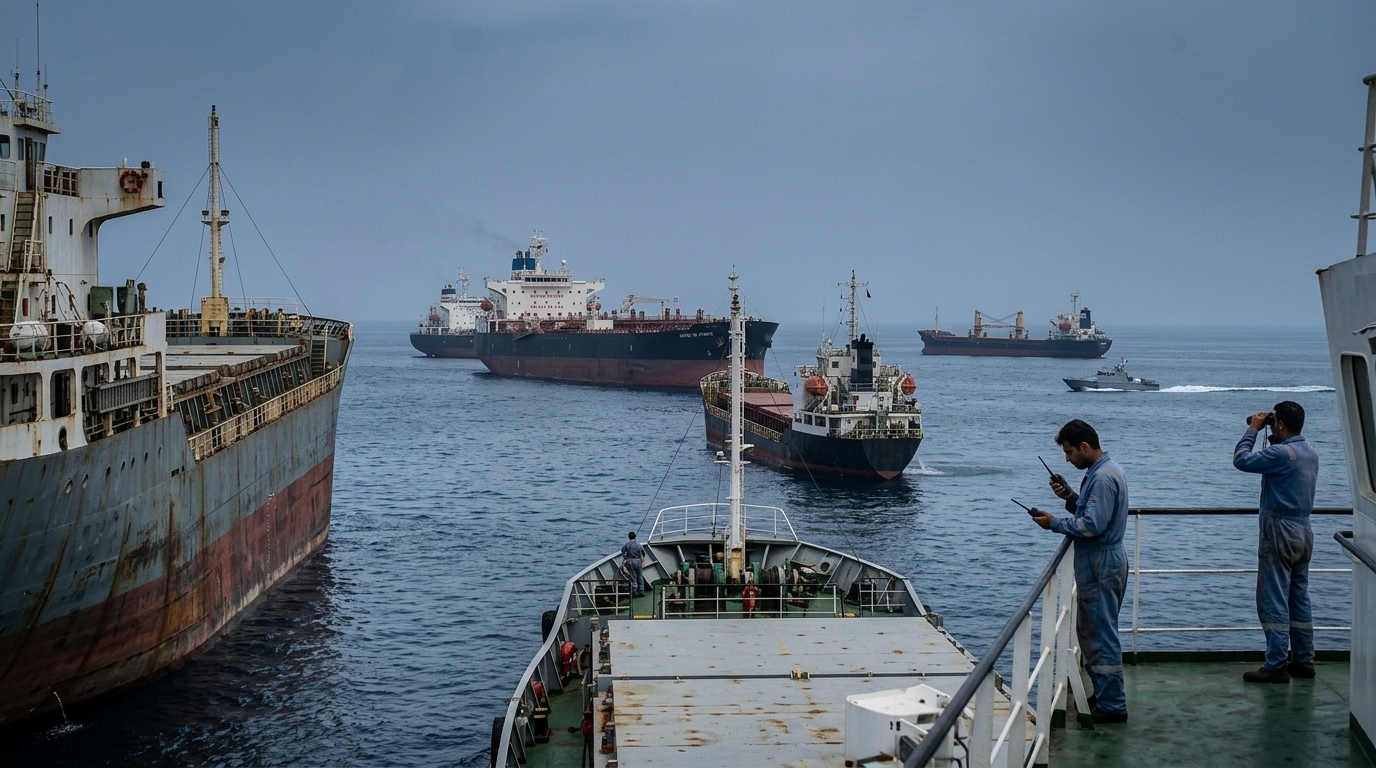
The Strait of Hormuz is not merely a maritime passage; it is the central artery of the global energy system. Through this narrow gateway, measuring just 21 miles at its narrowest point, flows 20% to 30% of the world's daily oil consumption. Any disruption there causes immediate tremors in the London and New York stock exchanges. In recent years, tanker seizures and drone attacks have turned the region into a "gray zone," causing shipping insurance premiums to skyrocket.
The talks in Doha focus on a "non-aggression" framework that would allow the unhindered flow of trade. For the US government, stability in energy prices is vital, especially at a time when inflationary pressures remain a concern. For Iran, the motivation is economic survival. Tehran seeks the release of billions of dollars in Iranian assets that remain frozen in international banks due to sanctions, using the security of the straits as its strongest bargaining chip.
The Thorny Issue of Frozen Assets
The economic dimension of these talks is perhaps the most complex. According to diplomatic sources, the agenda includes a roadmap for the gradual transfer of funds to humanitarian channels, similar to the model used previously with Qatar acting as a trustee. However, Washington faces intense domestic pressure. Critics of the administration in Congress argue that any sanctions relief will indirectly fund Iran's network of proxies in the region, from Hezbollah to the Houthis in Yemen.
- The release of funds as a confidence-building measure.
- The establishment of a "red line" telephone to avoid maritime accidents.
- The role of Qatar and Oman as guarantors of the agreement.
- The linkage of maritime security with Iran's nuclear program.
On its part, Tehran, under realist leadership, is trying to balance the Revolutionary Guard's demands for Gulf hegemony with the urgent need for foreign exchange. Iran's economy, while resilient, suffers from high inflation and the devaluation of the rial, making access to frozen assets a matter of national security.
Regional Implications and the China Factor
One cannot analyze US-Iran talks without considering Beijing's role. China is the largest buyer of Iranian oil and has every interest in maintaining calm in the Strait of Hormuz. The 25-year strategic agreement between Beijing and Tehran gives China significant leverage, which it appears to be using to push both sides toward a technical settlement that protects the trade routes of the "Silk Road."
"Peace in the Strait of Hormuz is no longer a bilateral US-Iran matter, but a global necessity requiring the tacit consent of all major powers," says a senior analyst in Doha.
In conclusion, the technical talks in Doha are an exercise in realism. Despite the rhetoric of animosity that often dominates the public sphere, the need for safe navigation and economic stability forces rivals to find common ground. Whether this "technical ceasefire" will evolve into a broader diplomatic success remains uncertain, but for now, the reduction of tension in Hormuz is a sigh of relief for the global economy.