

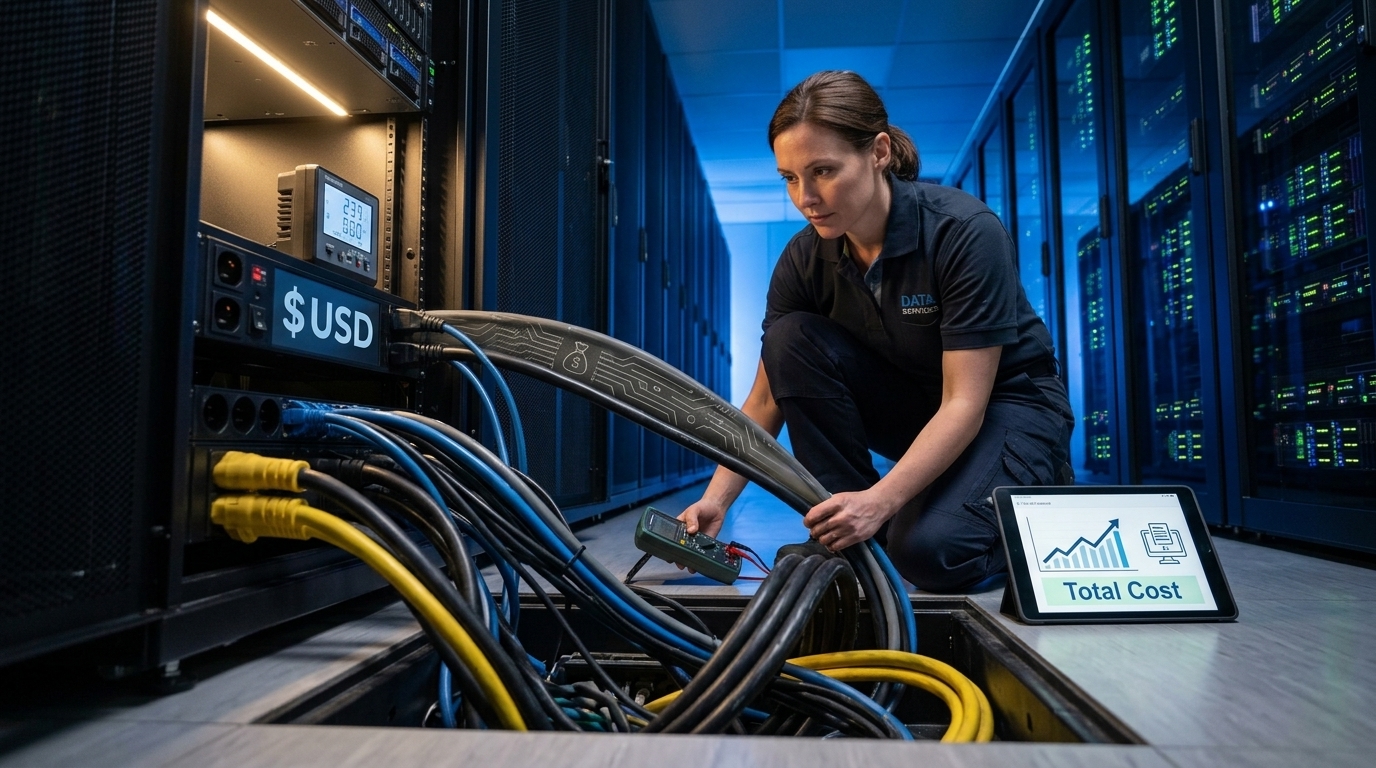
For nearly two years, the general public enjoyed a "golden age" of free or heavily subsidized access to the most advanced artificial intelligence tools. OpenAI, Google, and Microsoft offered their services at little to no cost, driven by the race for rapid adoption and data collection. However, as we reach mid-2026, the landscape is shifting dramatically. The tech industry, faced with astronomical infrastructure costs and investor pressure for profitability, is beginning to pass the bill for AI directly to the consumer's wallet.
The Rise of "AI-Native" Devices and the Hardware Premium
The first and most visible impact is found in hardware. Traditional smartphones and personal computers are no longer sufficient to run large language models (LLMs) locally. Manufacturers like Apple, Samsung, and Dell have introduced a new category of devices: AI PCs and AI-first smartphones. These devices require specialized Neural Processing Units (NPUs), significantly more RAM (at least 16GB as a baseline), and advanced cooling systems.
This upgrade does not come for free. The average selling price of flagship models has increased by 15-20% over the past year. Consumers face a dilemma: either pay the "AI premium" for a device that will remain relevant in the coming years or settle for older technology that will soon lack essential software features. As one market analyst put it, "You're no longer just buying a phone; you're buying an entry ticket to the AI ecosystem."
The Shift to Subscription Models
Beyond the initial purchase cost, AI is changing how we pay for software. The one-time purchase model has almost vanished, replaced by complex subscription tiers. Microsoft with Copilot, Google with Gemini Advanced, and OpenAI with ChatGPT Plus have set a standard of $20-$30 per month for full access.
"Artificial intelligence is an energy-intensive and capital-intensive process. Every query a user makes costs the company in computing power and electricity. The free user model is no longer sustainable for frontier models."
This "subscription-ization" of daily life creates a new form of digital divide. Those who can afford to pay for the "smart" versions of productivity tools will have a significant advantage in the labor market, while others will be left with basic, "dumb" versions. The cost of AI is not just financial but also social, widening the gap between those who can buy increased productivity and those who cannot.
The Hidden Costs: Energy and Infrastructure
Another dimension that often escapes attention is the indirect cost through utility bills and taxes. The massive demand for data centers required to train and run AI has led to a vertical increase in electricity consumption. In many regions, this translates into higher power prices for everyone as the grid is pushed to its limits.
Furthermore, tech giants are investing hundreds of billions of dollars in infrastructure (CapEx). These funds must yield a return. Whether through increased cloud service prices or the integration of AI into every aspect of e-commerce, companies are finding ways to recover their investment. Even if a consumer never buys an AI PC, they will likely pay for the technology through the increased prices of products and services that use AI for marketing or supply chain optimization.
Conclusion: The New Reality
Artificial intelligence is ceasing to be a futuristic experiment and is becoming a commercial product with a clear price tag. The transition from "free" access to a "paid" reality is inevitable in a capitalist economy. The remaining question is whether the value AI provides to the average user justifies the growing financial burden. As 2026 progresses, the answer will be provided by the market itself and the ability of consumers to integrate this new "fixed expense" into their household budgets.





