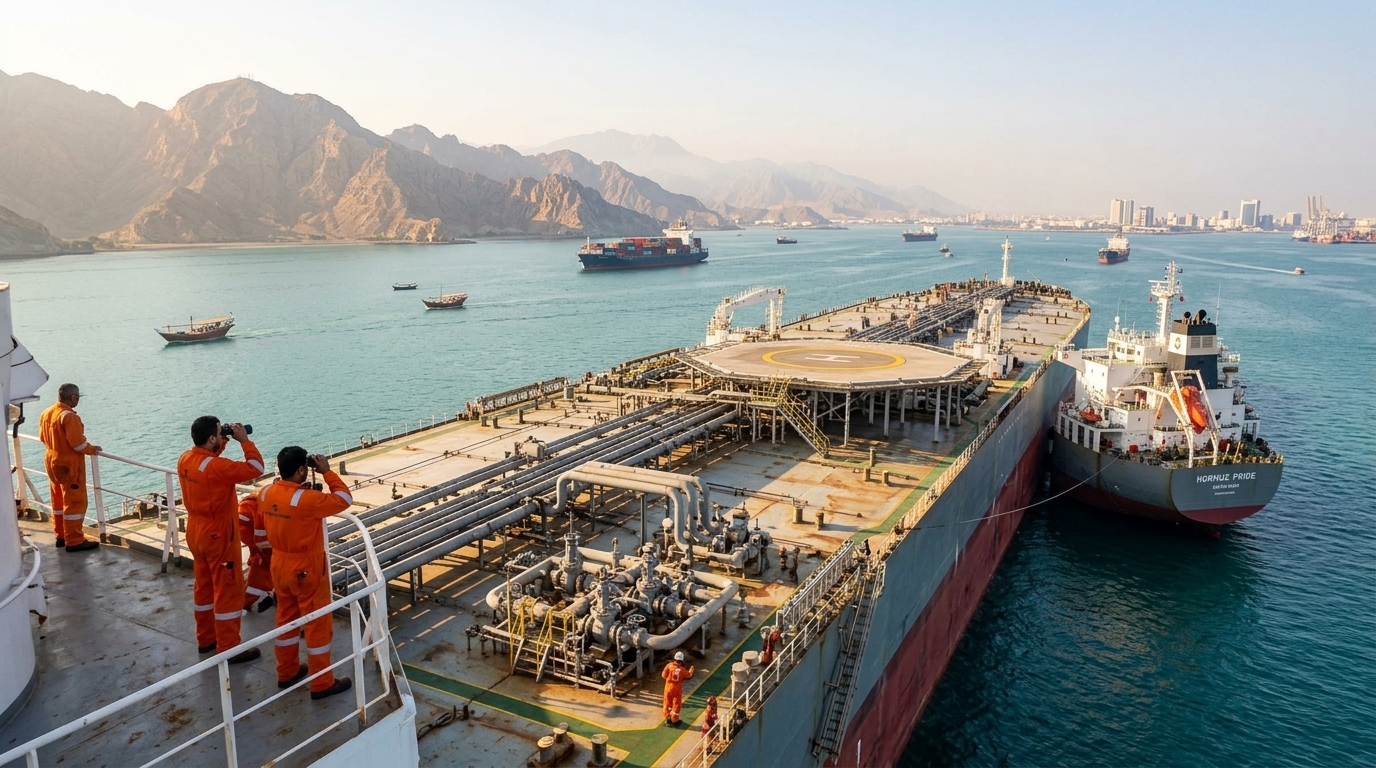
In a development that many analysts labeled "impossible" just months ago, the Strait of Hormuz—the world’s most vital energy artery—is entering a period of unprecedented stability. The recent diplomatic rapprochement between Washington and Tehran, sealed with a commitment to "permanently free and unhindered navigation," is not merely a geopolitical victory; it is a profound economic relief for the international market. The Strait, through which approximately 20-30% of global oil consumption passes daily, is ceasing to be a weapon of blackmail in international relations, turning the invisible "risk cost" into a peace dividend.
The Geopolitical Chessboard and the Diplomatic Pivot
This agreement did not emerge in a vacuum. After years of tension, tanker seizures, and threats to close the Strait, Iran’s need for economic survival and the US desire to stabilize energy prices amid global inflationary pressures created the necessary common ground. In exchange for sanctions relief and access to frozen assets, Iran now guarantees the safety of vessels traversing its territorial waters, withdrawing Revolutionary Guard forces from direct harassment of commercial shipping.
This "demilitarization" of rhetoric in the Strait signifies that Iran now recognizes its own economic prosperity is inextricably linked to the flow of black gold to Asia and Europe. For China, the largest importer of oil from the region, the deal is a guarantee of energy security. For Europe, striving to diversify its energy sources, Gulf stability is of paramount importance.
The Economic Dividend: Insurance and the Supply Chain
The immediate gain for the global economy is reflected in the so-called "war risk premiums." For decades, shipping companies paid exorbitant sums to Lloyd’s of London and other insurance giants to cover vessels transiting the Strait. Under the new agreement, these costs are expected to drop drastically, passing the benefit to the end consumer. According to Goldman Sachs analysts, eliminating uncertainty in the Strait could shave $5-$10 off the price of a barrel of Brent oil, solely by reducing the risk of supply disruption.
- Reduction in freight rates for VLCCs (Very Large Crude Carriers).
- Stabilization of Liquefied Natural Gas (LNG) prices, as Qatar relies exclusively on this route.
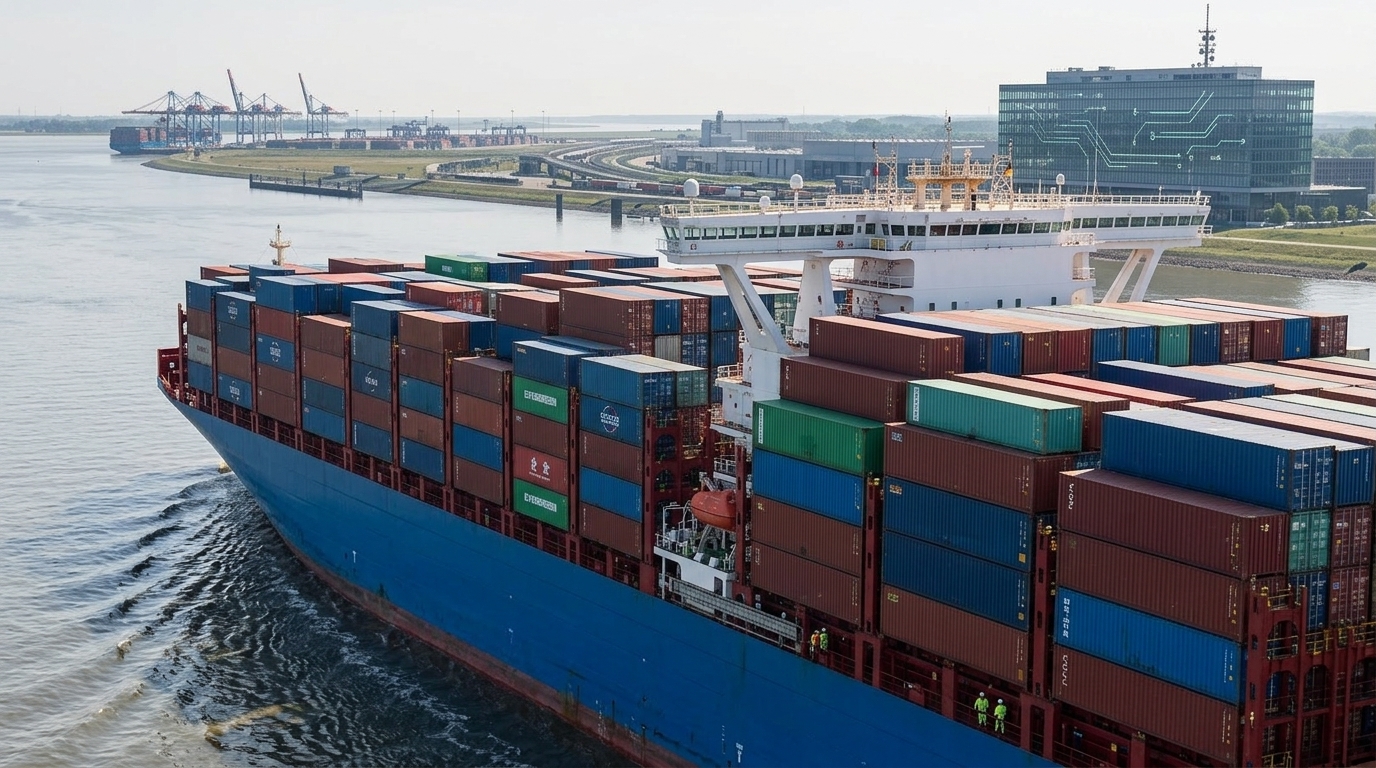
- Enhanced confidence in global supply chains, reducing the need for excessive safety stocks.
Furthermore, the agreement paves the way for new infrastructure investments in the region. With the fear of conflict receding, Gulf states can proceed with modernizing ports and pipelines, enhancing production efficiency. The "freedom of the seas" at this strategic chokepoint acts as a catalyst for global growth, especially at a time when international trade is under pressure from protectionism.
The Challenge of the Day After and AI Surveillance
Despite the optimism, the agreement remains fragile. Maintaining "free passage" requires continuous monitoring. This is where technology and Artificial Intelligence come into play. International organizations are already proposing a joint surveillance center, where data from satellites and AI sensors will track vessel movements in real-time, ensuring that no side violates the terms of the deal. The transparency offered by technology is the best guarantee against the suspicion that has poisoned regional relations for half a century.
"Stability in the Strait of Hormuz is not just a regional success; it is the backbone of the global energy architecture," says a leading energy analyst.
In conclusion, transforming the Strait into a permanently free navigation zone is a rare example of economic logic prevailing over ideological and geopolitical confrontations. In a world seeking stability, this agreement provides a significant breather, reminding us that trade remains the strongest bond of peace between nations.