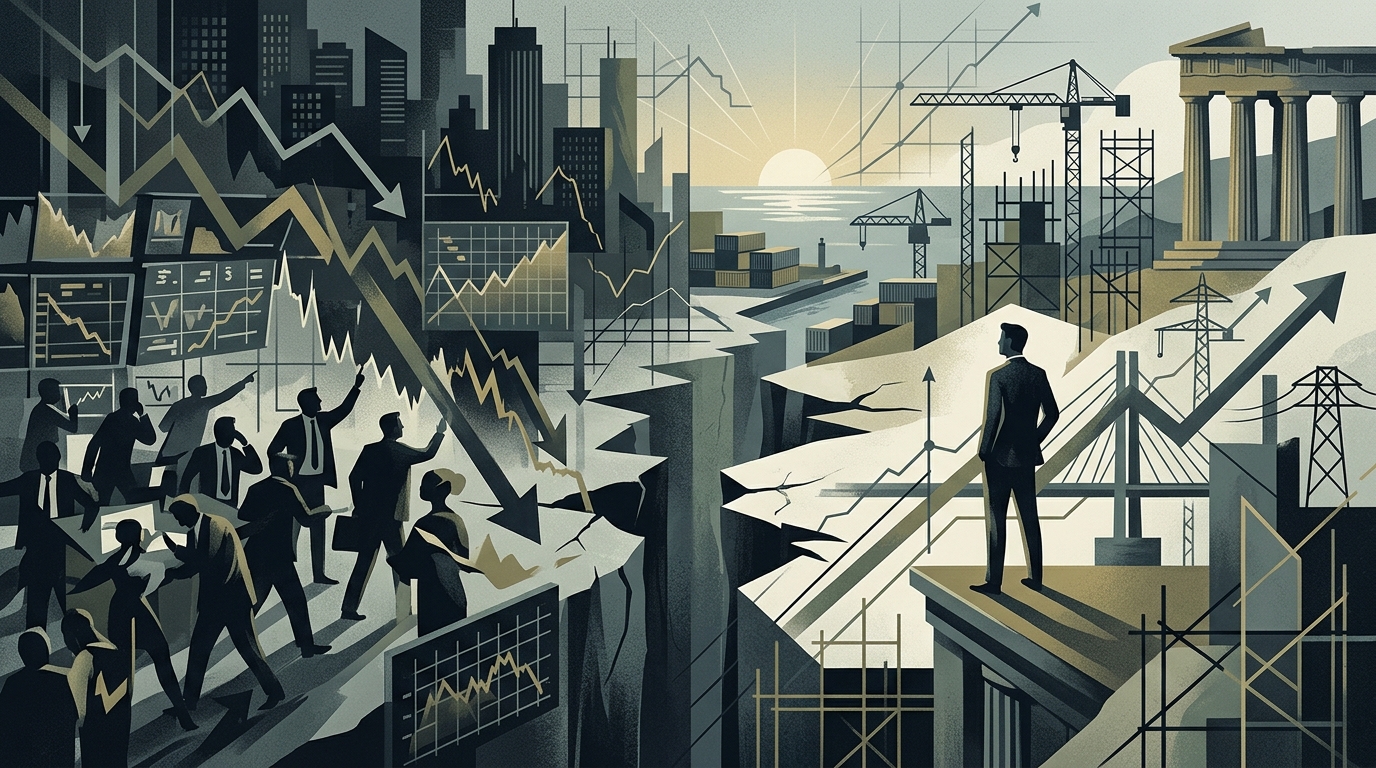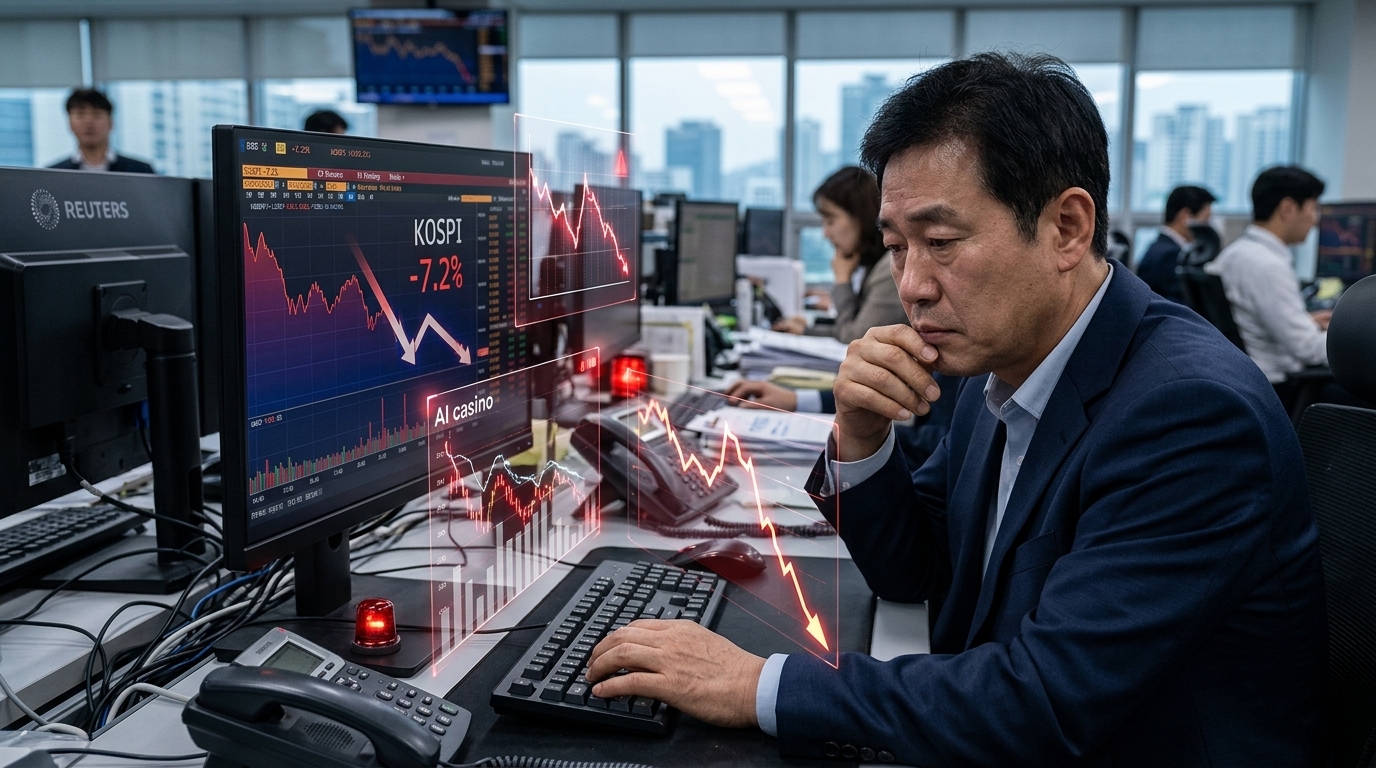
A stark warning from the heart of the semiconductor industry has sent shockwaves through global markets, with Broadcom CEO Hock Tan likening the current AI investment frenzy to a 'casino.' Concerns over the sustainability of AI financing, coupled with rising Chinese competition, led to a brutal sell-off in tech stocks, causing South Korea's Kospi index to plunge 7% on Tuesday.
The Broadcom Warning
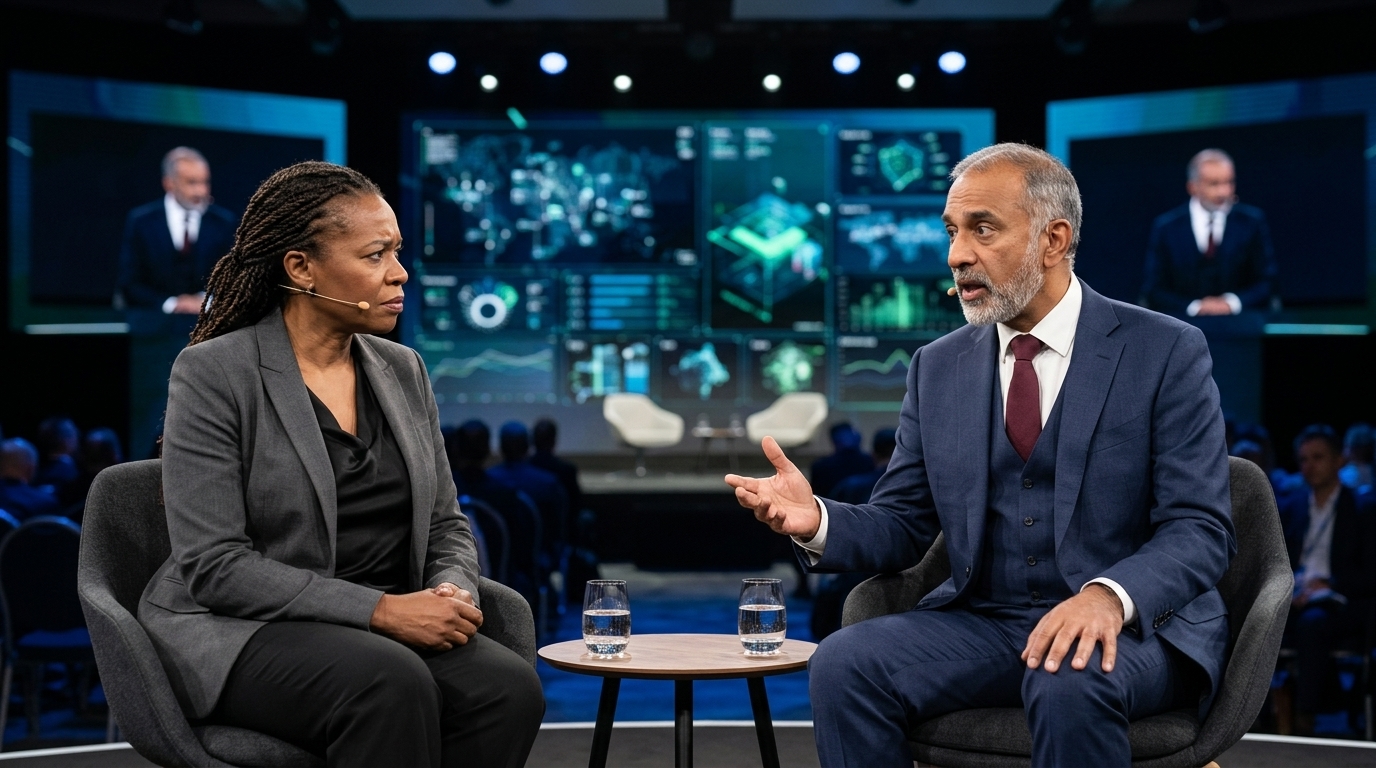
Speaking at an event in Singapore, Hock Tan emphasized that many investors lack a clear understanding of where they are allocating their capital, fostering expectations that are disconnected from reality. According to Tan, finding financing may evolve into a greater challenge than chip shortages, especially as high interest rates increase the debt burden for massive projects.
Doubts were further fueled by the cancellation of the planned IPO for Firmus Grid, a data center company backed by Nvidia, which was interpreted as a sign of market fatigue.
Market Turmoil in Asia
The losses in Asian markets were extensive:
- South Korea's Kospi fell by 7%, now down one-third from its June highs.
- Giants Samsung Electronics and SK Hynix both dropped more than 8%.
- In Japan, Kioxia Holdings plummeted over 12%, while Chinese tech indices saw declines of up to 3.6%.
For the first time since August, Seoul authorities were forced to temporarily suspend automated program trading on the Kospi, as foreign investors offloaded more than $6.3 billion in shares during October.
The Chinese Factor and Future Outlook
Beyond financial metrics, the technological progress of China's CXMT in high-density memory architecture is causing jitters. Reports that CXMT plans to introduce new products by 2026 threaten the dominance of Samsung and SK Hynix, reigniting fears over future competitive positioning.
Despite Samsung reporting record profits last week, its stock failed to rally, proving that the market has shifted its focus from current performance to the long-term durability of earnings. Investors are now looking toward upcoming results from ASML and TSMC to gauge whether the AI growth cycle remains sustainable.