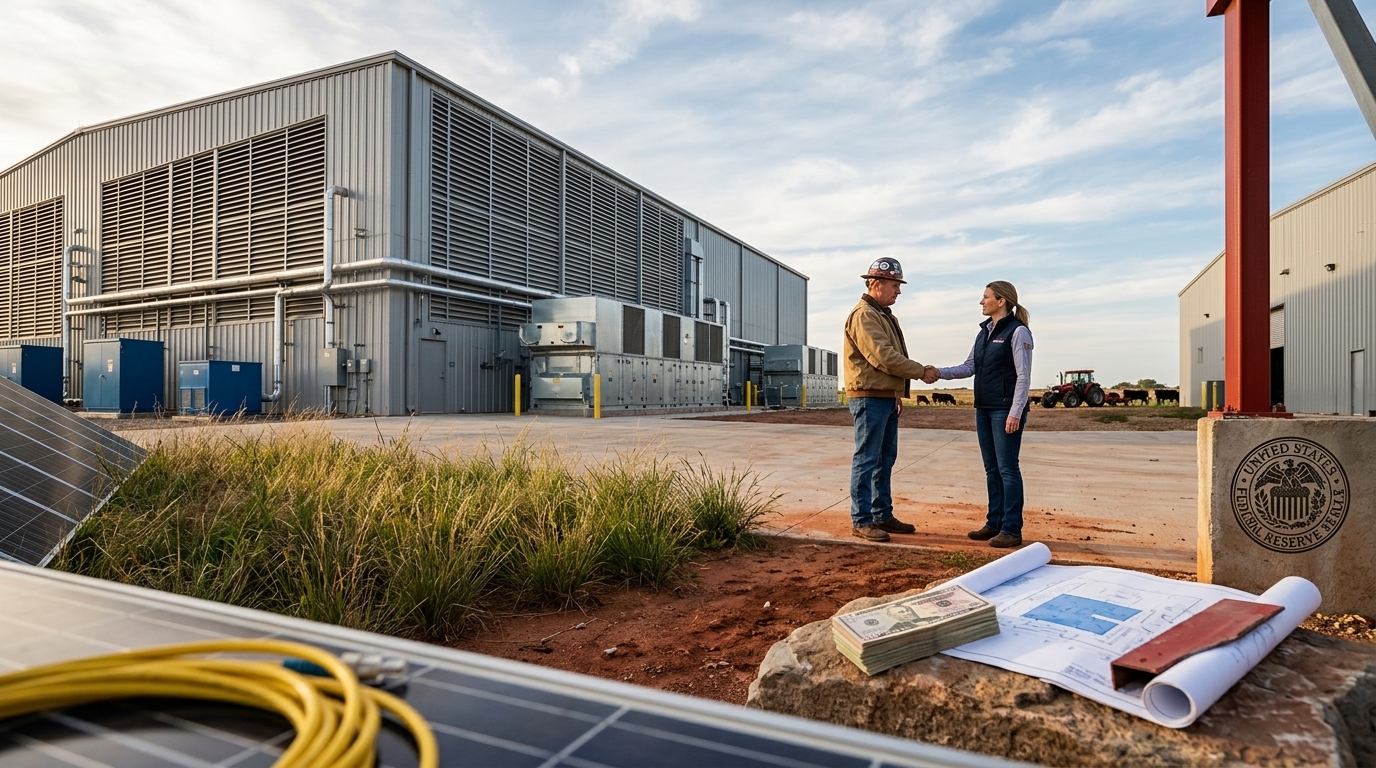
On January 1, a new tax windfall will kick in that could benefit scores of rural data center projects, following the passage of the One Big Beautiful Bill Act. The legislation expands the Opportunity Zone program, making capital-intensive projects in rural census tracts eligible for specific corporate tax benefits.
Investment vs. Economic Impact
Ways and Means Committee chair Jason Smith stated last year that the new rules significantly lower barriers for hyperscale data centers, making the economic case for building in designated rural areas "far more compelling." However, experts express concern over the actual benefits to local communities. Emily Kraschel, a tax policy analyst at the Searchlight Institute, notes that the program requires capital investment but does not guarantee job creation or a local economic boost.
- More than 100 data centers currently in development could qualify for these benefits.
- Research from Pew indicates that 67% of planned facilities are moving to rural areas.
- The federal government estimates the expansion will cost $40.9 billion over the next decade.
Corporate Distancing and Political Backlash
Despite the potential for "free money," tech giants like Microsoft, Meta, and Amazon have distanced themselves from the program. Microsoft and Amazon both stated they do not use Opportunity Zone benefits for site selection or construction. Amazon's spokesperson, Julia Lawless, emphasized that site selection depends on land availability and access to talent rather than these specific tax incentives.
The program faces growing political scrutiny. Senator Josh Hawley has introduced legislation to eliminate Opportunity Zone funding for data centers to prevent Big Tech from receiving breaks for building on farmland. Amidst this pressure, Amazon recently pledged $1 billion for community initiatives and confirmed it will no longer use nondisclosure agreements (NDAs) with public officials in communities where it builds, addressing a major point of public contention.