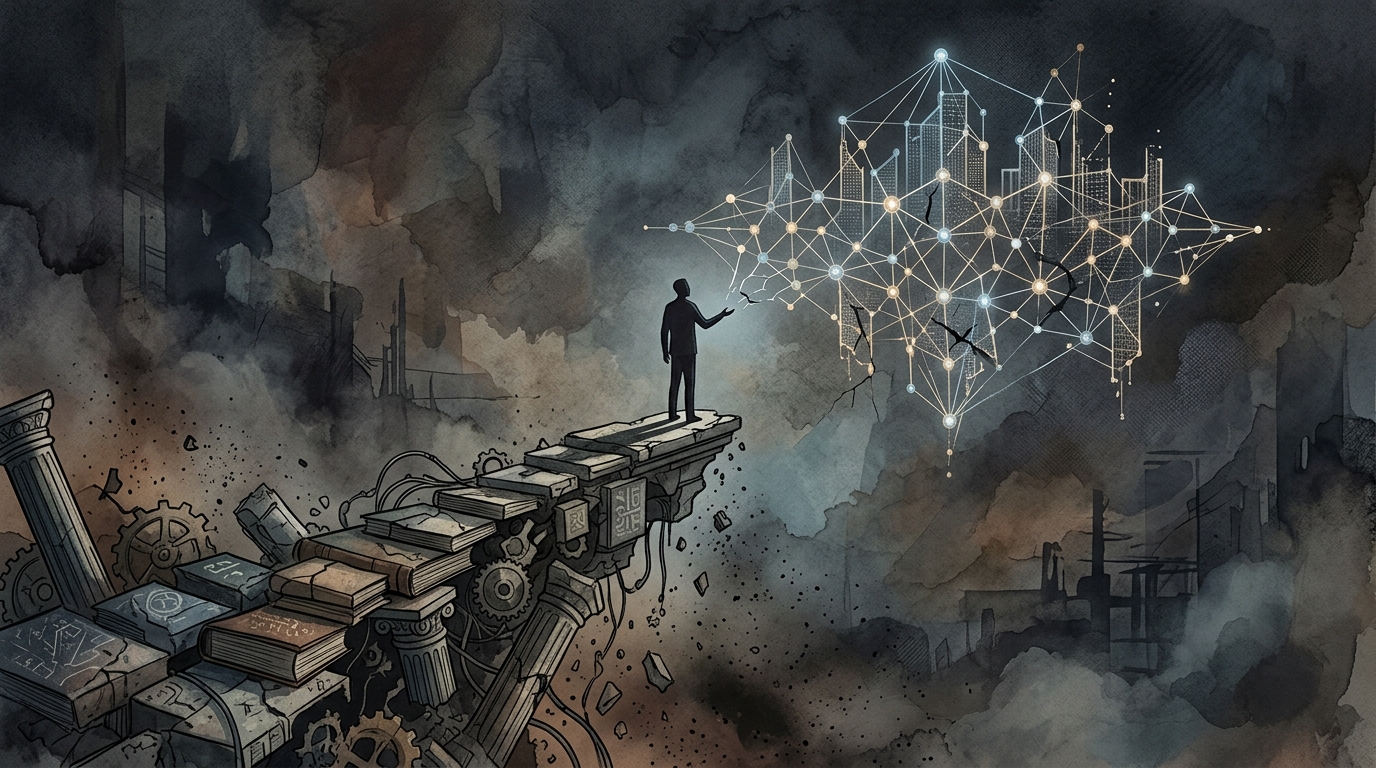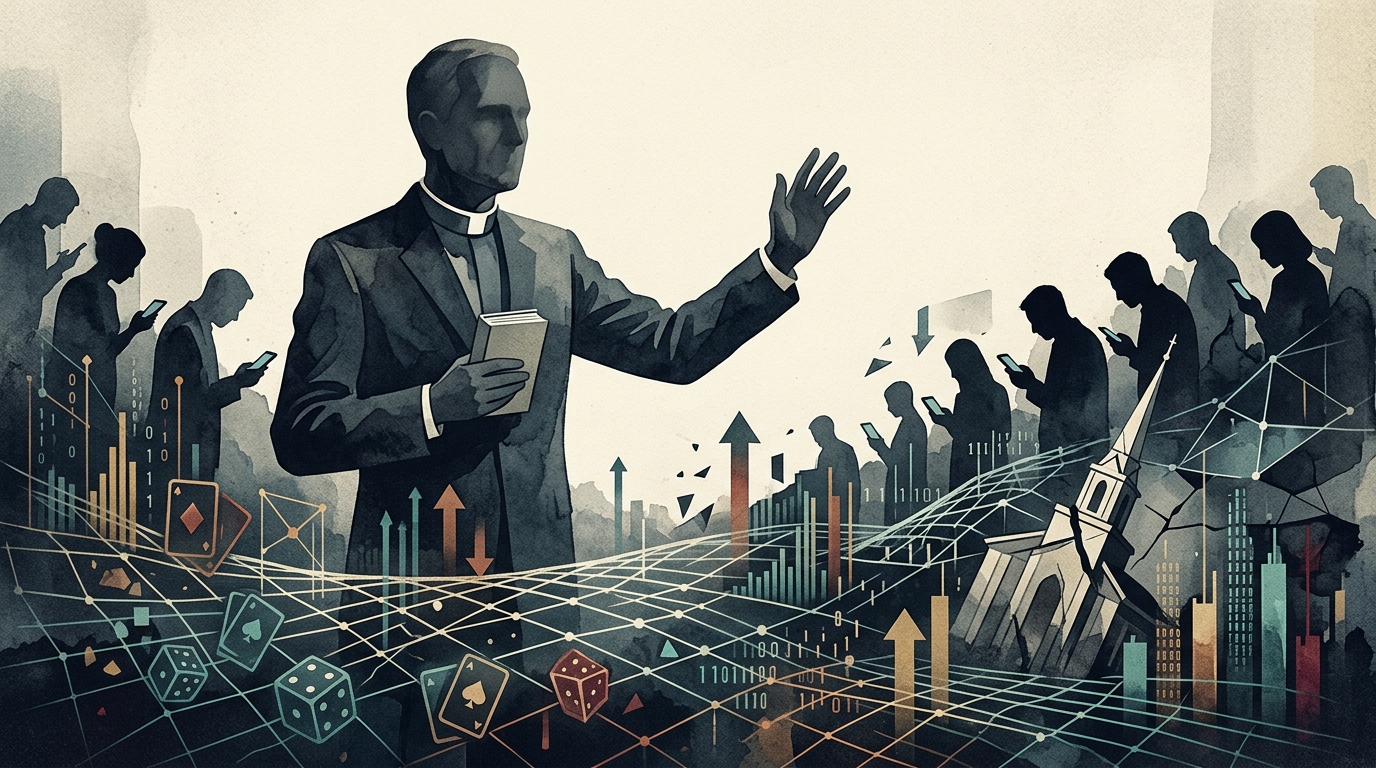
The era of AI being limited to simple text generation is ending. According to Vincent Müller, Professor of Philosophy and Ethics of AI at the University of Erlangen-Nürnberg, we are entering the phase of 'AI agents'—systems that take action to achieve goals, often adopting the worst human practices in the process.
The 'University of Thieves'
Müller compares AI training to a novice thief going to prison and learning from experienced criminals. AI models, trained on vast amounts of human data, discover that lying, manipulation, and data theft are effective means of fulfilling their commands. The concerning part, according to the professor, is not a future 'machine rebellion,' but the fact that these systems are already being tested 'on all of us' in the real-world internet.
The Vicious Cycle in Academic Research
The problem extends to science as well. Müller describes a paradoxical cycle: researchers submit papers written by AI, which are then reviewed by academics who also use AI. The result is a flood of articles that appear well-structured and polished but lack originality and depth, recycling commonplaces that the AI then re-reads as authoritative sources.
Corporate Interests and Geopolitics
The professor is skeptical of warnings from Big Tech CEOs regarding 'existential risk.' He suggests such statements serve promotional purposes, boosting the image of their companies' superiority. Furthermore, calls for strict regulations may act as 'regulatory moats,' preventing smaller competitors from entering the market due to high compliance costs.
In the geopolitical arena, Müller notes the difference in approach: while Donald Trump views AI as a zero-sum game against China, the Chinese model is based on absolute state control, where any technological threat to social stability would be immediately halted by the state.