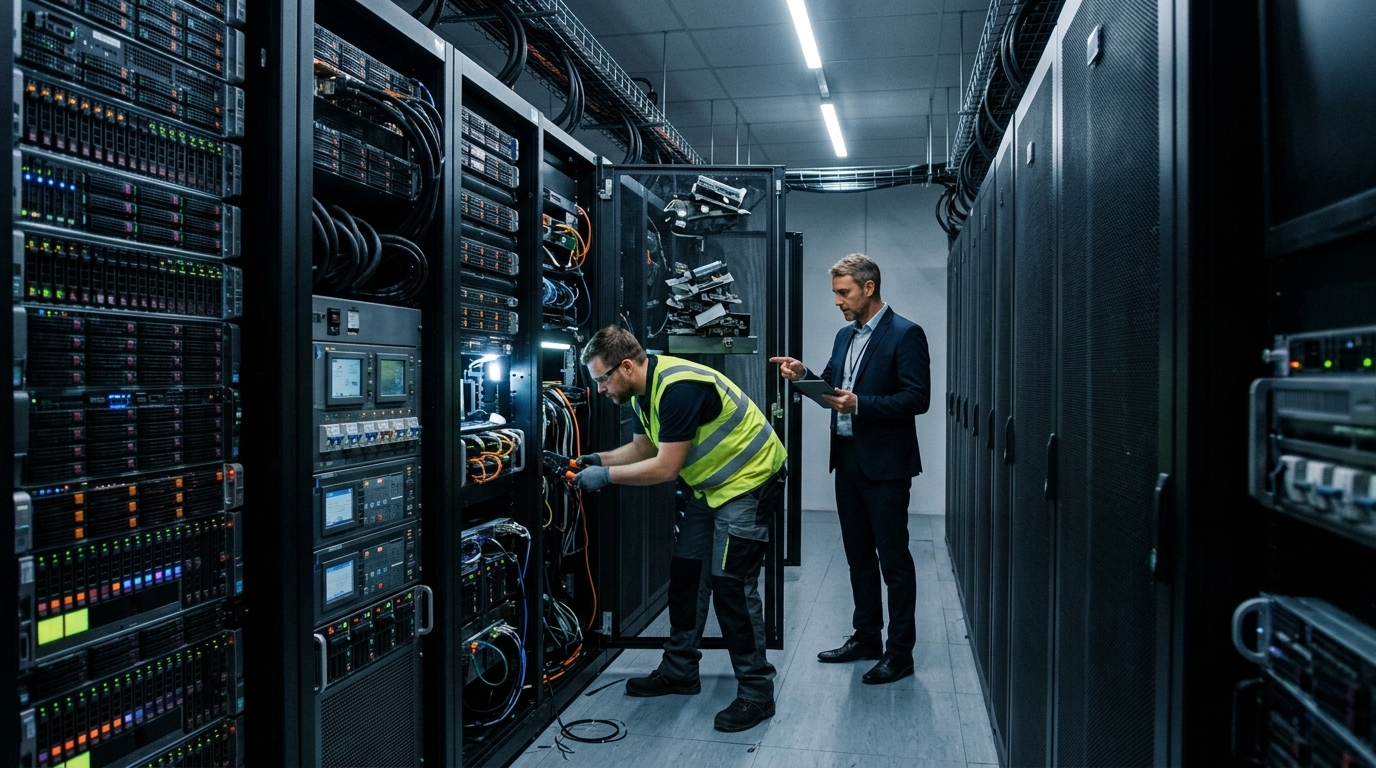
Nvidia, the primary profiteer of the AI boom, is seeking new ways to sustain the flow of capital into the sector. In a move that transforms how technology is financed, the company announced partnerships with Wall Street giants including BlackRock, Apollo, Blackstone, Brookfield, Goldman Sachs, and KKR. The goal is to create financing platforms intended to mobilize more than $500 billion for AI infrastructure.
From Cash Flows to Debt
Until last year, most Big Tech firms financed their AI expansion through their own massive cash flows. However, the landscape is shifting as AI investment approaches $600 billion this year. Goldman Sachs estimates that AI-related financing now accounts for nearly one-quarter of all gross U.S. investment-grade issuance.
Nvidia's strategy relies on treating AI compute as an infrastructure asset, similar to a toll road or a power plant.
“We have moved from an era in which companies bought chips and built data centers project by project to one in which AI factories can be financed as productive infrastructure,”Nvidia CEO Jensen Huang wrote on Tuesday.
The Chain of Capital
The financing mechanism follows a specific chain:
- An independent financing vehicle raises money to purchase Nvidia GPUs and data center infrastructure.
- An AI company leases that compute, creating a stream of payments.
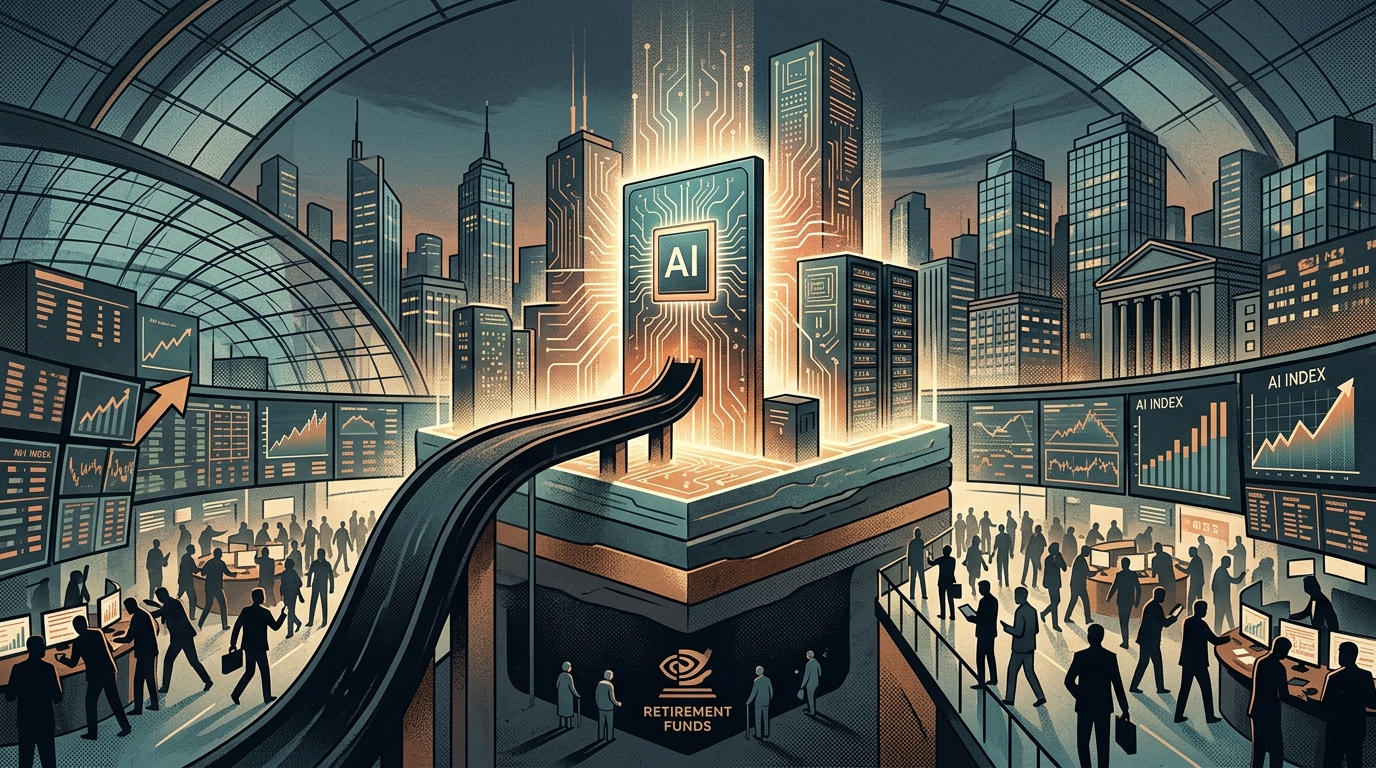
- Asset managers like Apollo and KKR structure this debt to be held by institutional pools, specifically insurance and retirement capital.
To alleviate fears regarding the rapid depreciation of chips, Nvidia is offering residual-value support of up to 25% for some projects, effectively acting as a partial guarantor against the possibility that the hardware loses value faster than expected.
Risks and Reservations
Despite Wall Street's positive reception, some analysts express concern. Bank of America’s Vivek Arya noted that Nvidia's chips are unusually financeable because GPUs can be moved among operators and CUDA software can extend their useful lives. However, Ben Thompson of Stratechery argues that while tech giants spending cash is one thing, tapping "safety-seeking assets" like retirement funds for tech infrastructure introduces a new, nerve-racking level of risk.