The workplace has entered a new era of AI acceptance, where employees are actively figuring out how to integrate technology into their daily tasks. However, while AI is widely embraced as a useful investment, only 9% of organizations have made meaningful progress in building complex autonomous workflows, according to data from ServiceNow.
Rethinking Work Structures
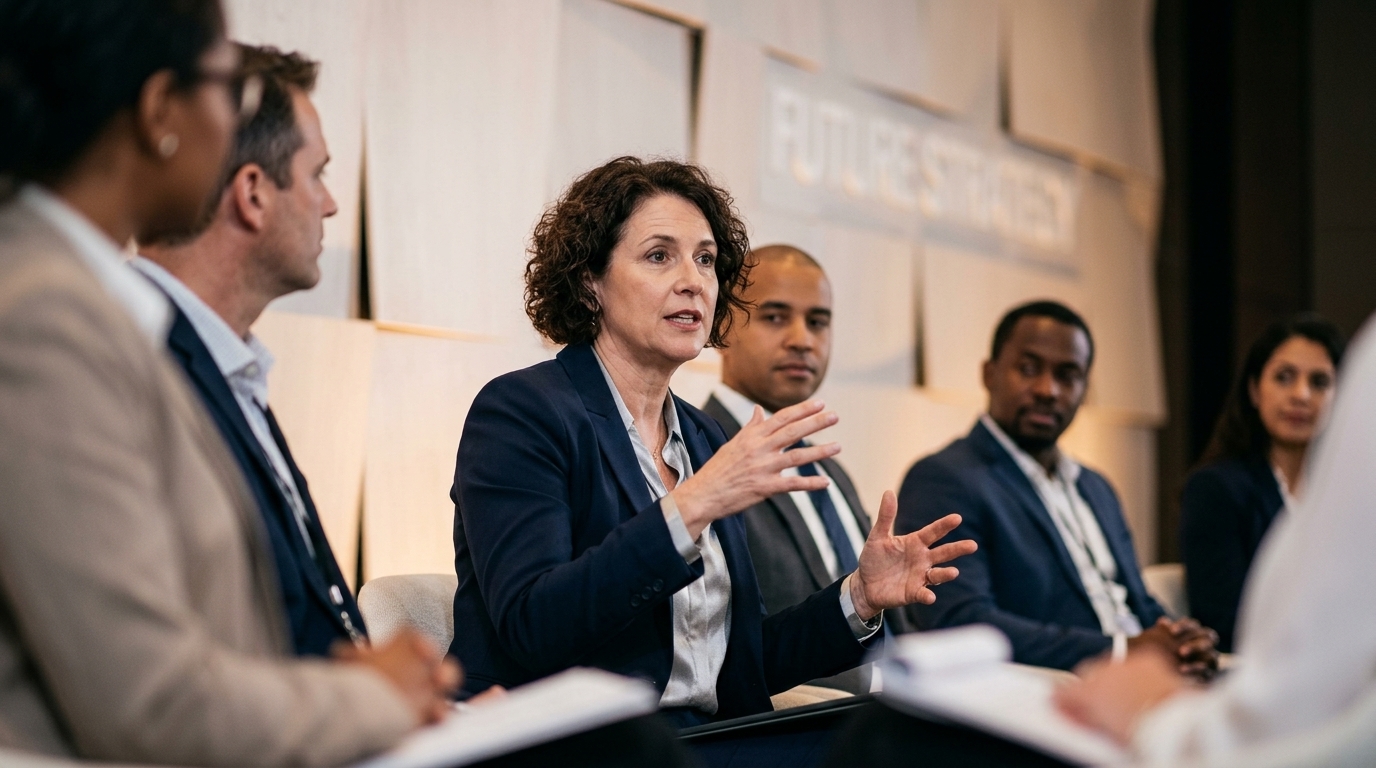
Speaking at Fortune’s inaugural AIQ Summit, Stacy Dillow, Executive Vice President and Chief People Officer at HPE, emphasized that the hardest part is not experimenting with technology, but rethinking how work gets done. "We’ve got to force ourselves to think differently because if we’re not trying to change how we work, we’re just trying to retrofit," Dillow stated, adding that AI adoption is now a necessity for C-suite survival.
The Power of Self-Service
Danielle Gonzalez, Chief People Officer at Palo Alto Networks, shared how the cybersecurity firm is utilizing tools like NotebookLM, Claude, and Gemini. A custom AI agent has already reduced IT tickets by 83%, managing workflows across HR, finance, and legal departments. Employees are increasingly self-serving, querying the agent for answers rather than contacting HR business partners.
Learning and 'Unlearning'
As AI reshapes operations, companies are rethinking the workforce they need. This shift prioritizes adaptability and curiosity. Gonzalez noted that successful employees must not only learn at a fast pace but also "unlearn" what they thought to be true to make space for progress. Consequently, Palo Alto Networks is moving away from achievement-based interviews toward "observable interviews" and hackathons to see how candidates solve problems in real-time.
Finally, Drew Holler, Chief Human Resources Officer at Lennar, highlighted individual accountability. While companies provide the necessary tools and training, Holler stressed that the responsibility for upskilling ultimately lies with the individual worker.