
In my experience, the greatest challenge in engineering isn't building a tool that works once, but building a tool that works reliably within the messy, constrained architecture of a real-world environment. We see this today in the "enterprise gap": large language models are brilliant at generalities but often stumble when faced with specific corporate policies or complex tool combinations. To bridge this, ServiceNow CoreAI has introduced AutoSynthData, and as a builder, I find its architectural approach to synthetic data generation fascinating.
The Teacher-Student Blueprint
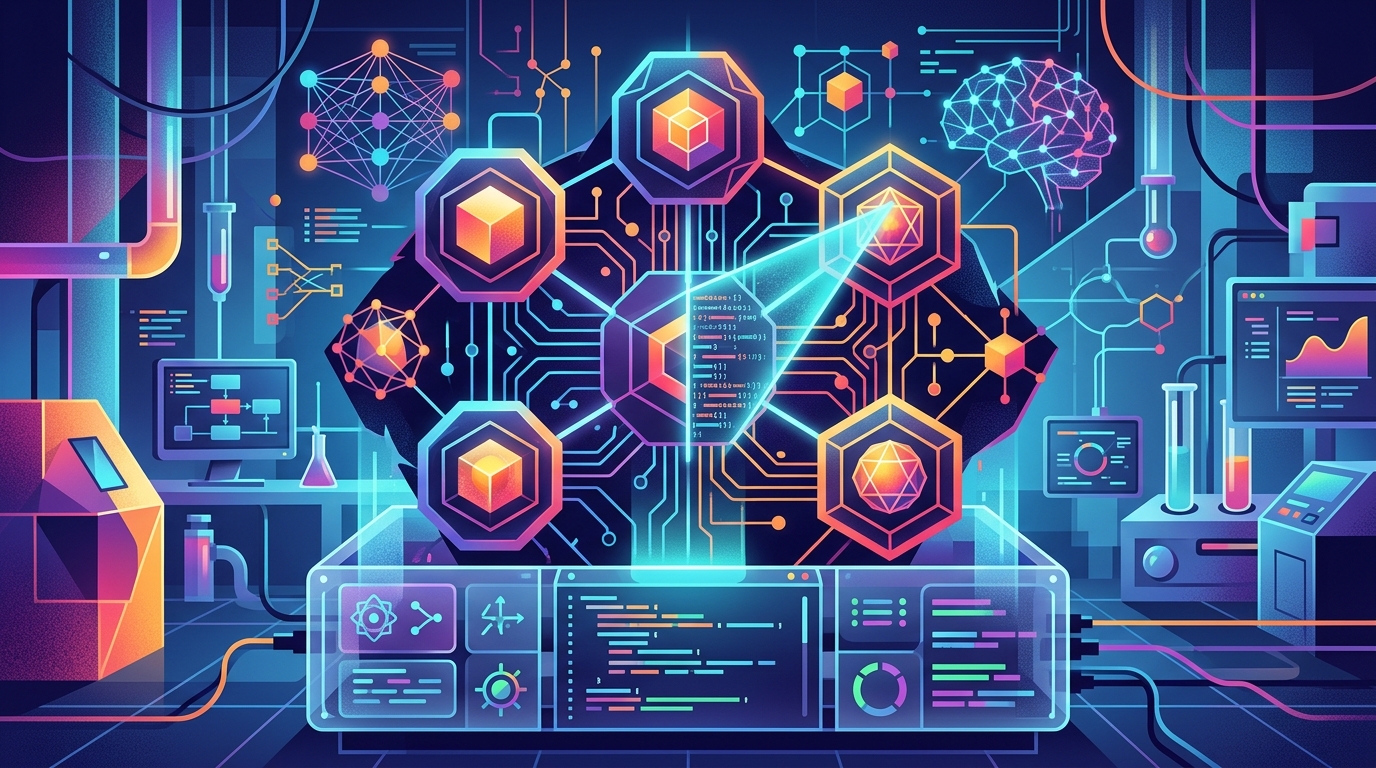
The core of AutoSynthData is a pipeline that treats model training like a master-apprentice relationship. Instead of feeding an agent random data, the system evaluates a target model against a stronger "teacher" model to pinpoint exactly where the apprentice fails. These failure patterns are distilled into capability specification cards. I've always said that if you can't define the failure, you can't engineer the fix. These cards guide the generation of new tasks based on three critical engineering properties:
- Feasibility: The task must be solvable within the specific environment.
- Realism: It must mirror actual user requests, not theoretical abstractions.
- Difficulty: It must specifically target the known weaknesses of the agent.
Multi-Level Quality Control: The Positive and Negative Gates
What impresses me most is the rigorous validation framework. In the Labyrinth of enterprise data, noise is the enemy. AutoSynthData uses a two-tier review process. First, at the sample level, a "positive gate" verifies the reference solution actually works, while a "negative gate" ensures the system knows how to reject incorrect outcomes. Second, a batch-level meta-review monitors diversity to prevent the model from becoming a repetitive specialist that fails at the first sign of novelty.
Perhaps the most pragmatic feature is the "critic" mechanism. When a candidate task fails, the system doesn't just discard the work—it attempts to diagnose and repair it. This is high-efficiency engineering, maximizing the yield of the generation process. We are seeing the results in the numbers: a Gemma-based model saw a 35% relative improvement in its Pass@1 metric in hybrid domains, and success rates in ITSM climbed from 18.77% to 27.18%.
The Shift to Deep Engineering Utility
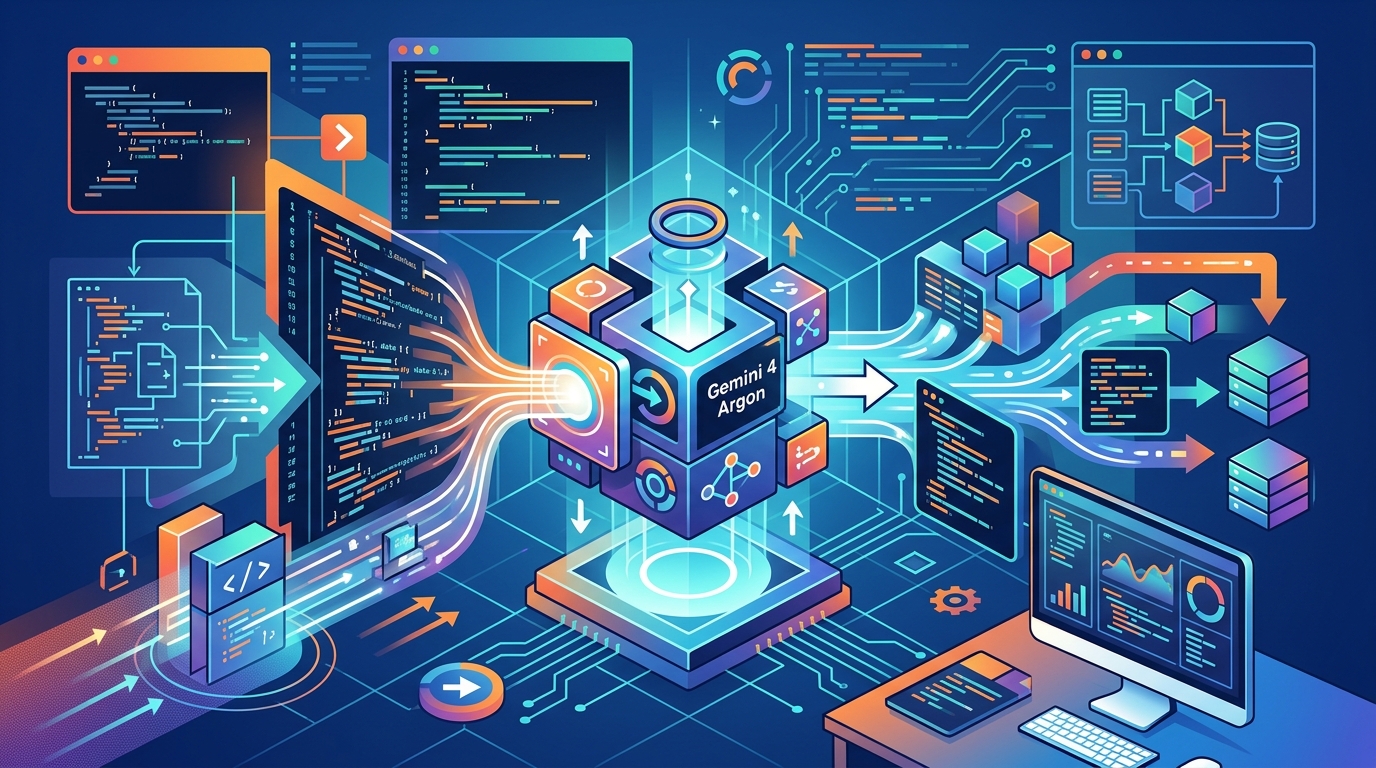
We are moving away from the era of "bigger is better" toward what I call deep engineering utility. While models like Google’s Gemini 4 Argon are pushing the boundaries of scale—generating 1 million tokens and migrating legacy C++ code to Rust—the real victory for the average enterprise lies in these specialized pipelines. Whether it's reclaiming 300 TiB of memory or automating a complex HR workflow, the goal is the same: precision. As we build these autonomous agents, we must remember that the strongest structures aren't just the largest, but the ones with the most refined internal logic.