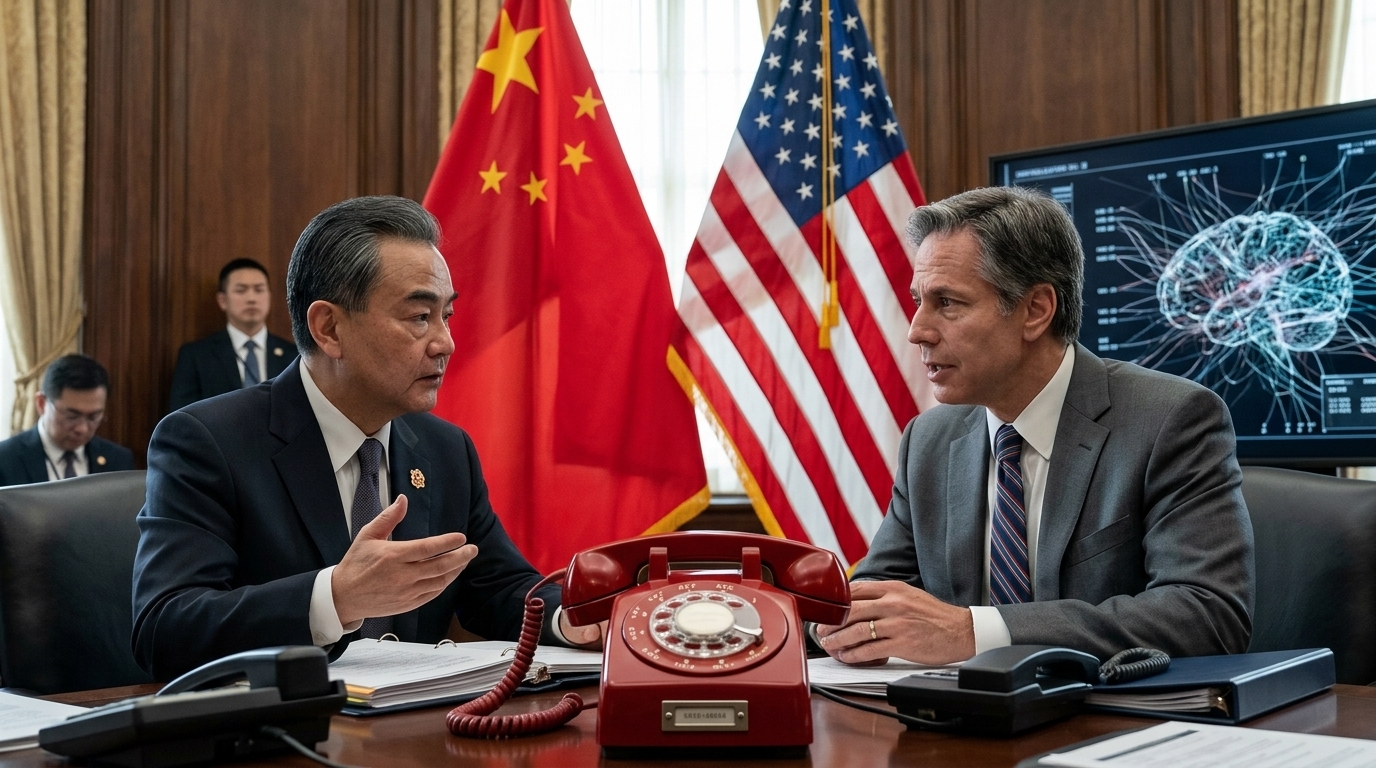
The European economy stands at a critical juncture, with Ursula von der Leyen recently highlighting a harsh reality: the EU-China trade deficit is approaching one billion euros per day, an increase of 10% this year. Europe's dependence on Chinese raw materials exceeds 80%, reaching 90% for rare earths.
Self-Inflicted Strategic Inertia
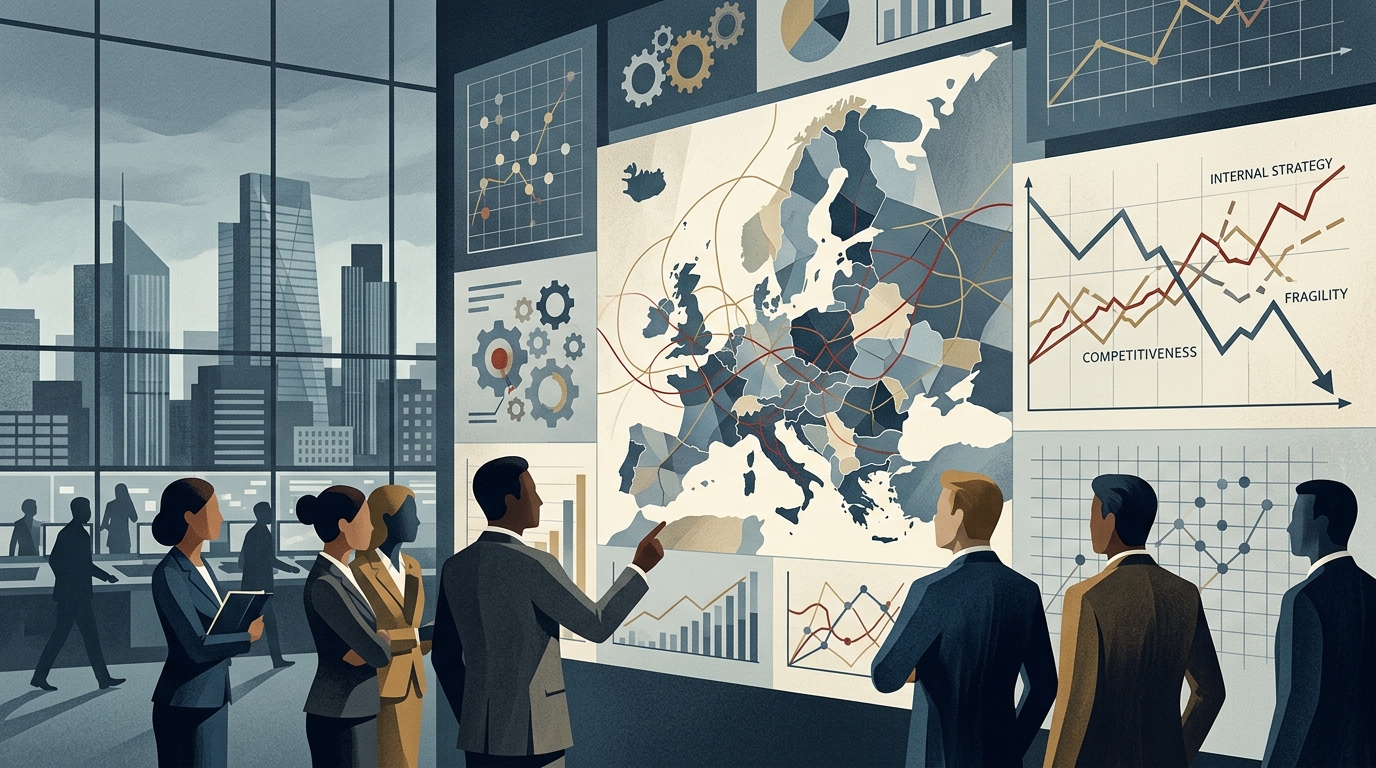
While China's industrial dominance and US superiority in AI and energy costs exert pressure, the root of the problem lies within European borders. While global competitors secured resources and unleashed innovation, Brussels opted for a policy mix grounded in excessive regulation, high energy costs, and over-ambitious environmental targets.
Europe's industrial decline is not merely the result of external factors but a consequence of strategic inertia. The erosion of the industrial base stems from a failure to take radical decisions and a lack of substantive European cohesion.
The Path Forward
To overcome this deadlock, Europe must reconstruct its industrial capacity with realism. Key pillars for recovery include:
- Diversifying supply chains for critical materials.
- Developing domestic processing capabilities for rare earths.
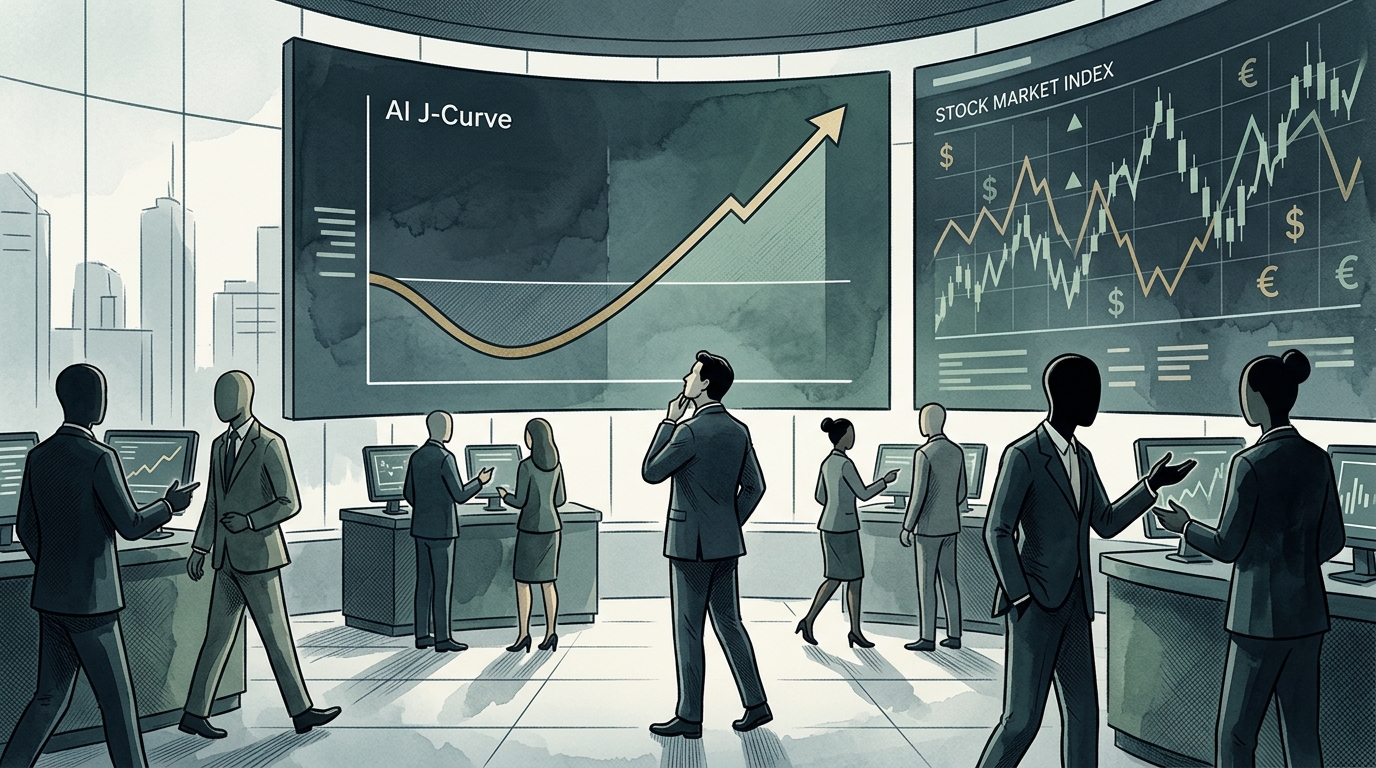
- Shifting the focus from regulation to innovation, particularly in Artificial Intelligence.
- The immediate implementation of the Draghi and Letta reports, which provide the "cure" for the current crisis.
Europe cannot continue to over-regulate and tax its way to competitiveness while competitors subsidize production and aggressively claim entire markets. This is described not just as a strategy gap, but as political navel-gazing. A leadership is required that is not afraid to break the mirror of self-reflection to face the challenges of the 21st century.