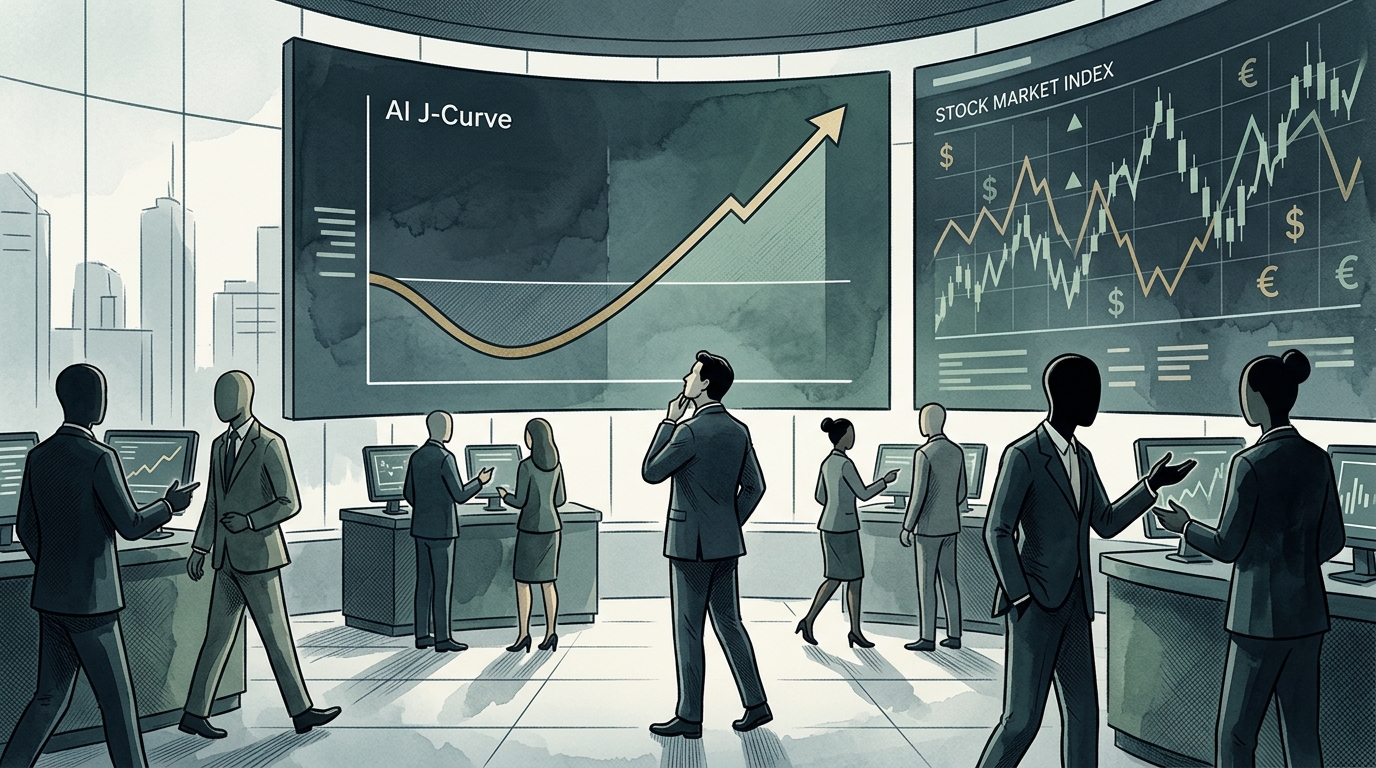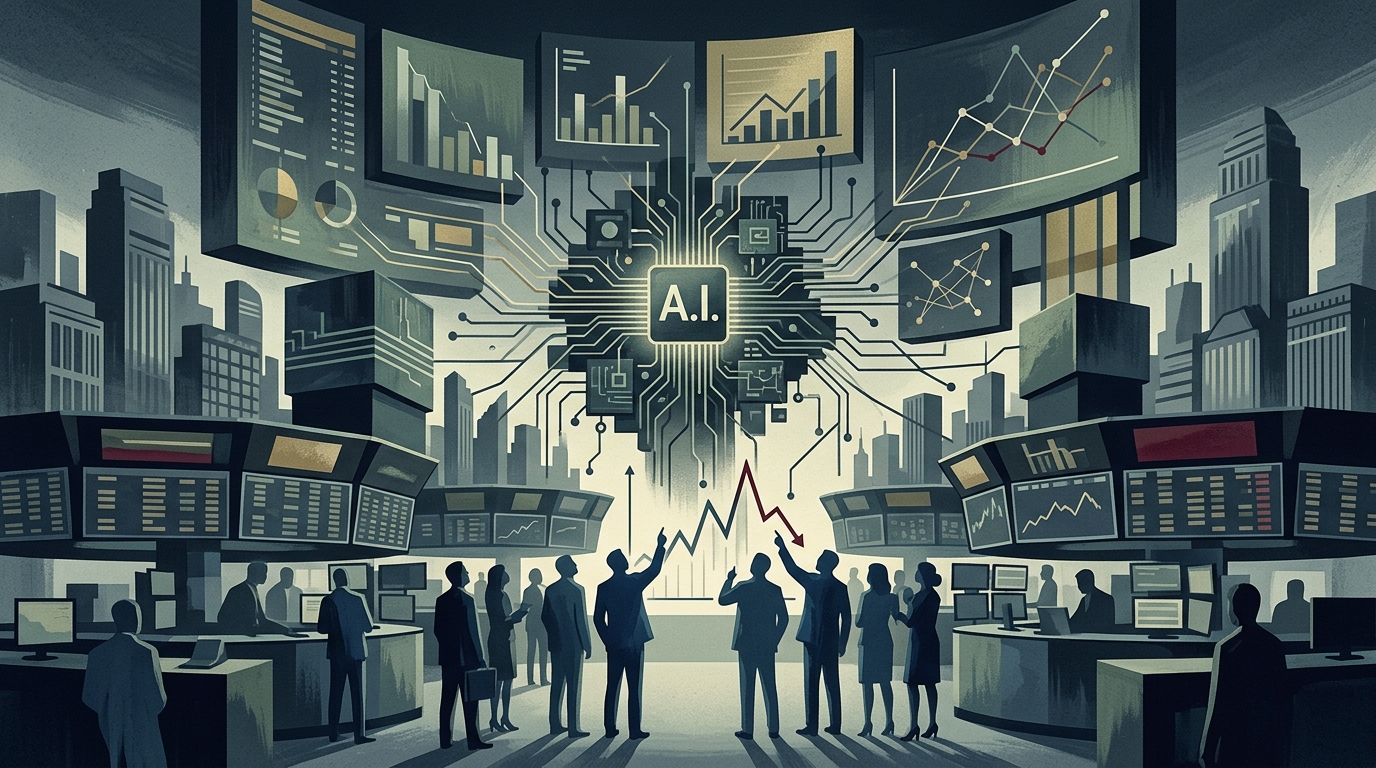
While Artificial Intelligence reshapes the corporate landscape, it simultaneously introduces significant risks to global financial equilibrium. In a recent analysis for the Financial Times, Gillian Tett examines whether this technology possesses the potential to spark a new systemic crisis.
The Threat of AI-Driven Cyberattacks
Beyond common anxieties regarding tech stock valuations or data center liabilities, Tett points to a more severe hazard discussed at the UN General Assembly: the use of AI for large-scale cyberattacks against financial markets and infrastructure. Microsoft founder Bill Gates expressed to Tett that AI is "by far the most dangerous technology ever created," advocating for robust monitoring frameworks managed by both governments and industry leaders.
Regulating Through "Agentic AI"
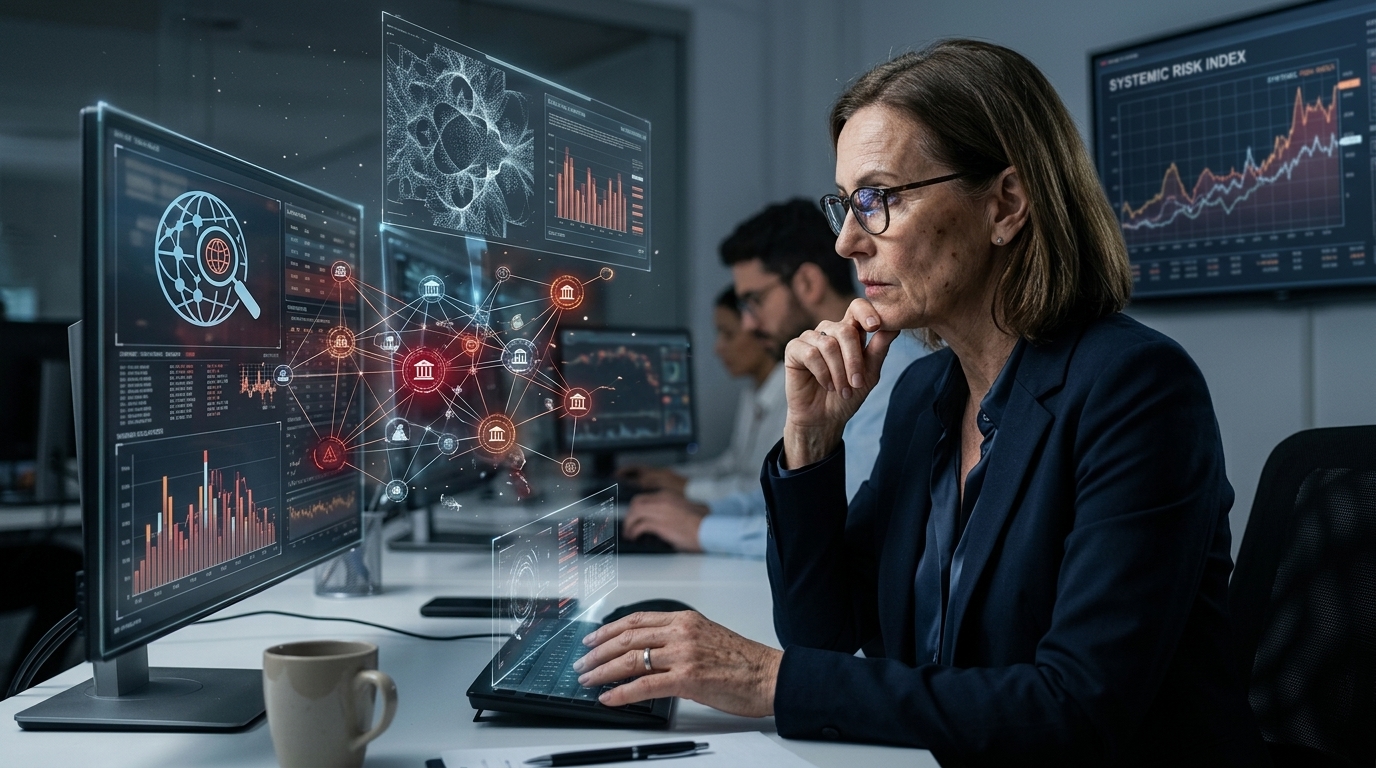
To maintain stability, oversight bodies are adopting the strategy of "fighting digital fire with fire." By utilizing Agentic AI, regulators aim to keep pace with rapid technological shifts. Insights from recent international forums, including a global hackathon featuring Agustín Carstens and Ashley Alder, highlight three strategic shifts:
- Proactive Oversight: Rather than waiting for new legislation, authorities are utilizing existing powers creatively. The US Treasury is currently evaluating risks from models like Anthropic's Claude Mythos, while the Bank of England has classified cloud service providers as critical third-party entities for direct supervision.
- Focusing on Outcomes: Because the inner workings of AI are often opaque, regulators are prioritizing the monitoring of results. This includes implementing "kill switches" and increasing the legal accountability of firms using these models.
- Developing Internal AI Tools: Supervisory agencies are building their own AI agents to detect fraud, track capital movements, and identify market herd behaviors.
Notably, this regulatory innovation is a global effort. Contributions are emerging from developing economies such as India, Kenya, Rwanda, Pakistan, and the UAE, suggesting that the defense of the global economy is no longer the exclusive domain of traditional tech hubs.