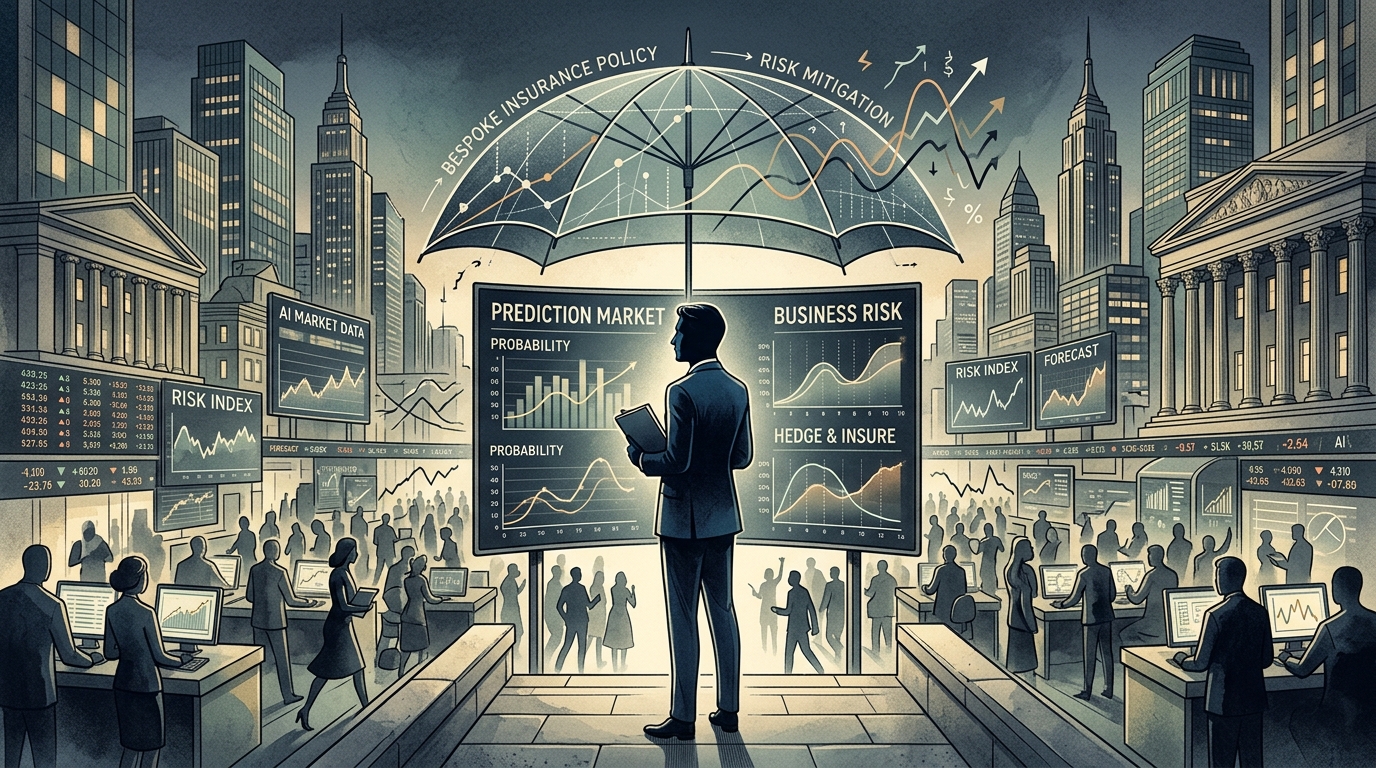
Artificial intelligence (AI) may promise a new era of productivity, but the period of "easy" growth and seamless gains is drawing to a close. Mohamed A. El-Erian, a prominent economist and advisor to Allianz, warns that the initial phase of excitement is giving way to a period of intense volatility as the economic and social side effects of the technology become increasingly apparent.
The Productivity Contradiction
While AI is characterized by experts like Kevin Warsh as a "new factor of production" and by Google's James Manyika as an "invention machine for inventions," the economic reality is more complex. Despite stock markets reaching all-time highs and impressive results from companies like Nvidia, El-Erian highlights a critical temporal mismatch: the productivity benefits are long-term, but the costs are immediate.
Pressure on Markets and Cost of Living
The explosive demand for capital from "hyperscalers"—the tech giants investing massively in infrastructure—is triggering chain reactions:
- Borrowing Costs: Pressure on the bond market is driving up interest rates, affecting everything from corporate loans to mortgages.
- Energy Crisis: The operation of data centers is increasing electricity demand, pushing up prices for households.
- Geopolitical Shifts: Traditional buyers of US securities, such as China and Japan, are pulling back for domestic or political reasons.
The "Shallow" Adoption Phenomenon
One of the most significant risks El-Erian identifies is the uneven speed of adoption. A Google study shows that while AI dissemination is broad, it remains "shallow," as it has not yet been fully integrated into daily business processes. This creates a risk that markets have priced in a productivity boost that will take time to manifest in real data.
Political and Regulatory Challenges
As the two major US political parties shift toward more populist approaches regarding employment and inequality, the need for regulation is becoming urgent. Google DeepMind's Demis Hassabis has proposed a collaborative regulatory model (similar to FINRA), emphasizing that technological progress alone is no longer enough; institutional flexibility is required to prevent a promising technology from becoming a source of new problems.