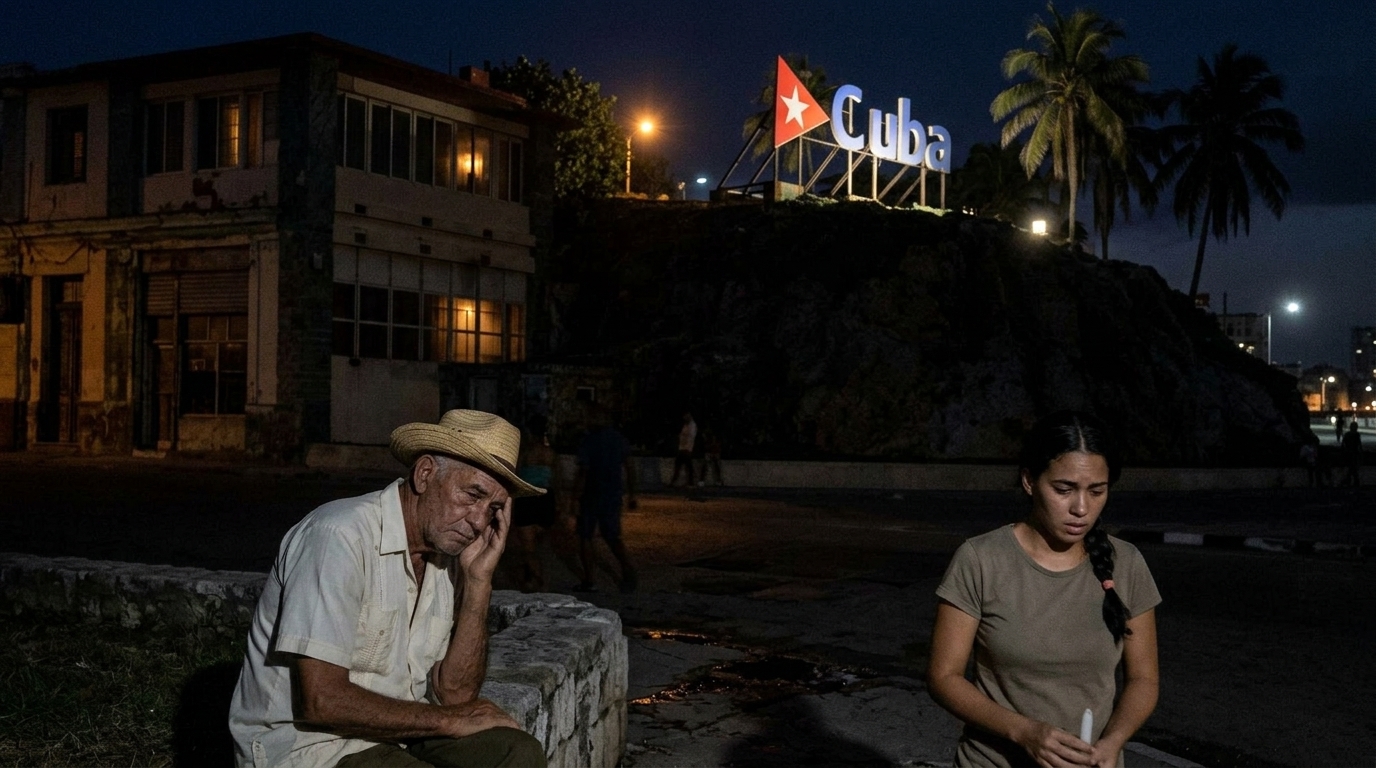
Cuba is working to partially restore its power grid following a new widespread blackout, the seventh of its kind since the beginning of the year. The island is currently facing a severe energy crisis exacerbated by a U.S. oil embargo in place since January.
Causes of the Grid Failure
The blackout was triggered by a fault in transmission lines combined with unstable weather conditions in the western part of the country. The failure initially hit Havana before spreading to other regions across the island of 9.4 million people.
The national electricity company, UNE, reported that it had successfully reconnected the grid in 14 out of 15 provinces, with the eastern province of Guantanamo being the sole exception. Despite these efforts, large areas remain without power due to insufficient generation capacity. In Havana, only 48% of the population had electricity as of Saturday night.
Infrastructure and Sanctions
The energy instability stems from two primary issues:
- Aging thermoelectric plants that are prone to failure.
- The U.S. oil embargo, which complicates the supply of fuel for both power plants and backup generators.
The human impact is significant. In some provinces, outages have lasted for more than 60 consecutive hours, while Havana has seen blackouts exceeding 30 hours. These disruptions also impair essential services, including water supply and telecommunications networks. "We had about four hours of power in the afternoon, then it was cut again," said Lucia Martinez, a pensioner in Havana, highlighting the precarious nature of the restoration.