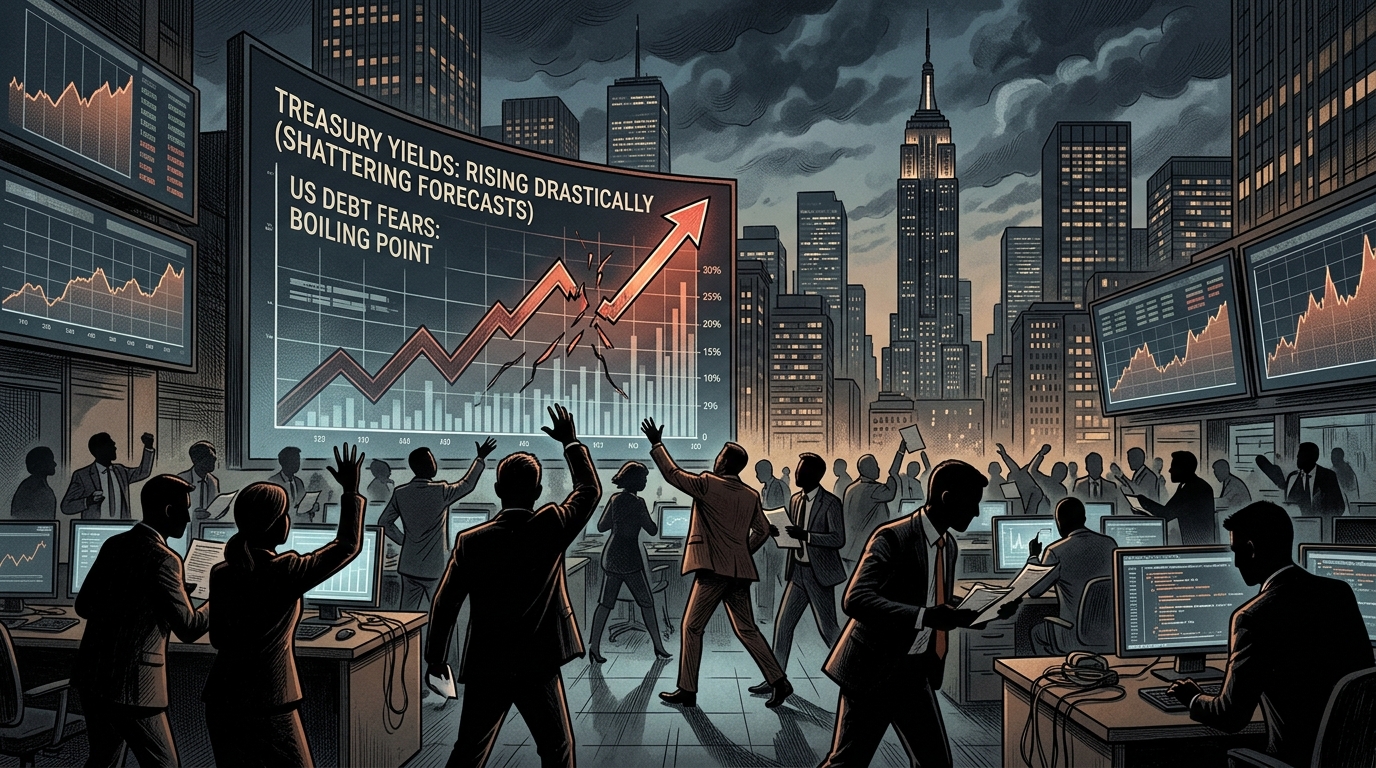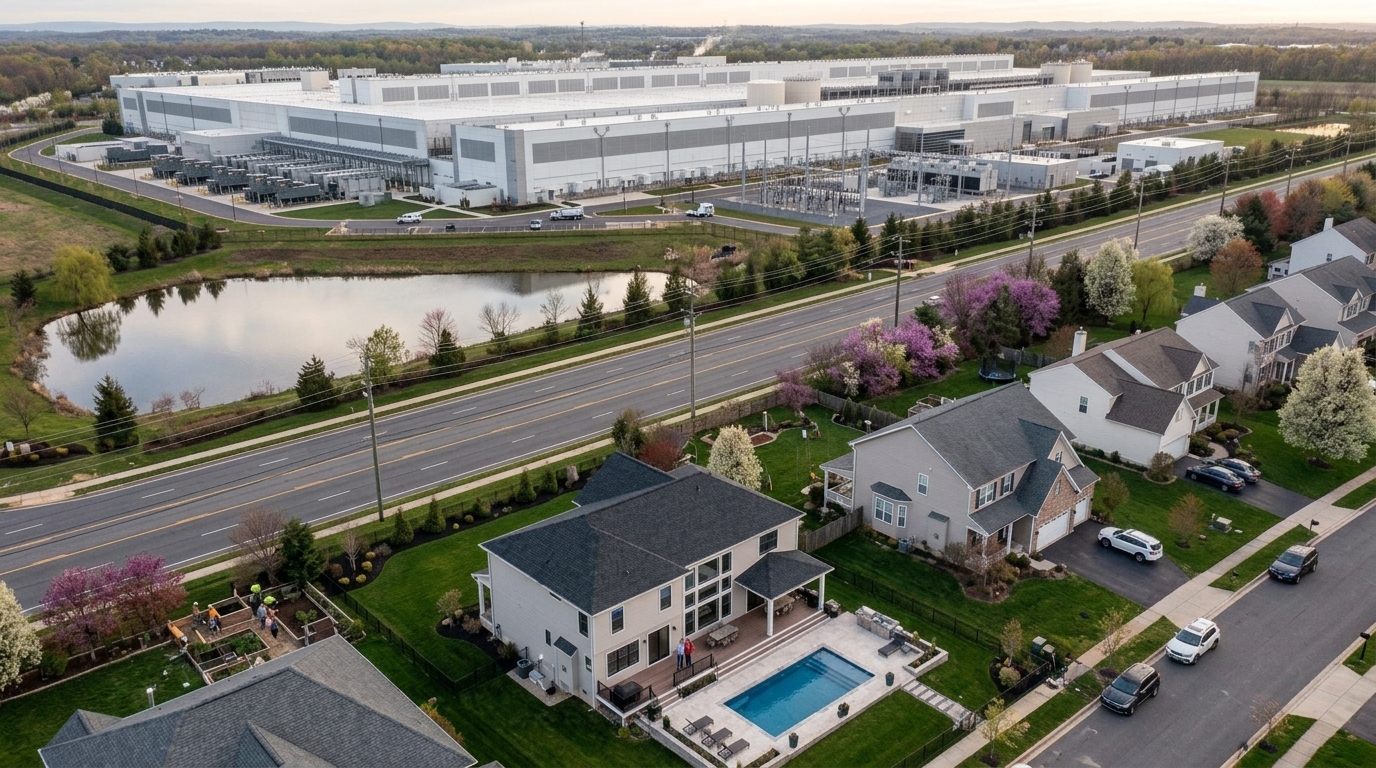
Two decades after the housing boom reshaped the U.S. economy, the AI boom is driving a similar transformation. In a pivotal shift, spending on data centers and information-processing hardware has officially surpassed residential investment.
The AI Surge vs. The Housing Freeze
According to data from the Bureau of Economic Analysis, real private residential fixed investment stood at $748 billion in the second quarter, down 18% from its early 2021 peak. During the same period, spending on information processing equipment soared 51% to $752 billion.
Adam Shapiro, vice president at the San Francisco Fed, noted that investment is shifting away from residential assets and toward computers. While the housing market remains largely frozen due to high borrowing costs and the Federal Reserve's rate-hiking campaign, AI investment has proven far less sensitive to interest rates.
Yield-Agnostic Growth and Market Risks
Hyperscalers—including Alphabet, Amazon, Microsoft, Meta, Oracle, and SpaceX—are projected to see capital expenditures exceed $1.3 trillion in 2027. Treasury Secretary Scott Bessent highlighted that these companies are often "yield-agnostic," issuing debt regardless of borrowing costs because they believe the returns on AI will be exceptionally high.
However, S&P Global has issued a warning regarding potential overcapacity. The ratings firm suggests that the aggressive build-out could outpace demand, though it identifies 2028 as a potential inflection point where revenue growth may finally accelerate while spending flattens.
Political Backlash and Cost of Living
The breakneck speed of AI development is generating significant political friction. An NBC News poll found that 64% of registered voters would be less likely to support a candidate favoring the construction of a data center in their community. Furthermore, the AI boom is intersecting with the cost-of-living crisis, as consumers face higher electricity bills and more expensive hardware, while home prices remain out of reach for many due to limited supply and high mortgage rates.