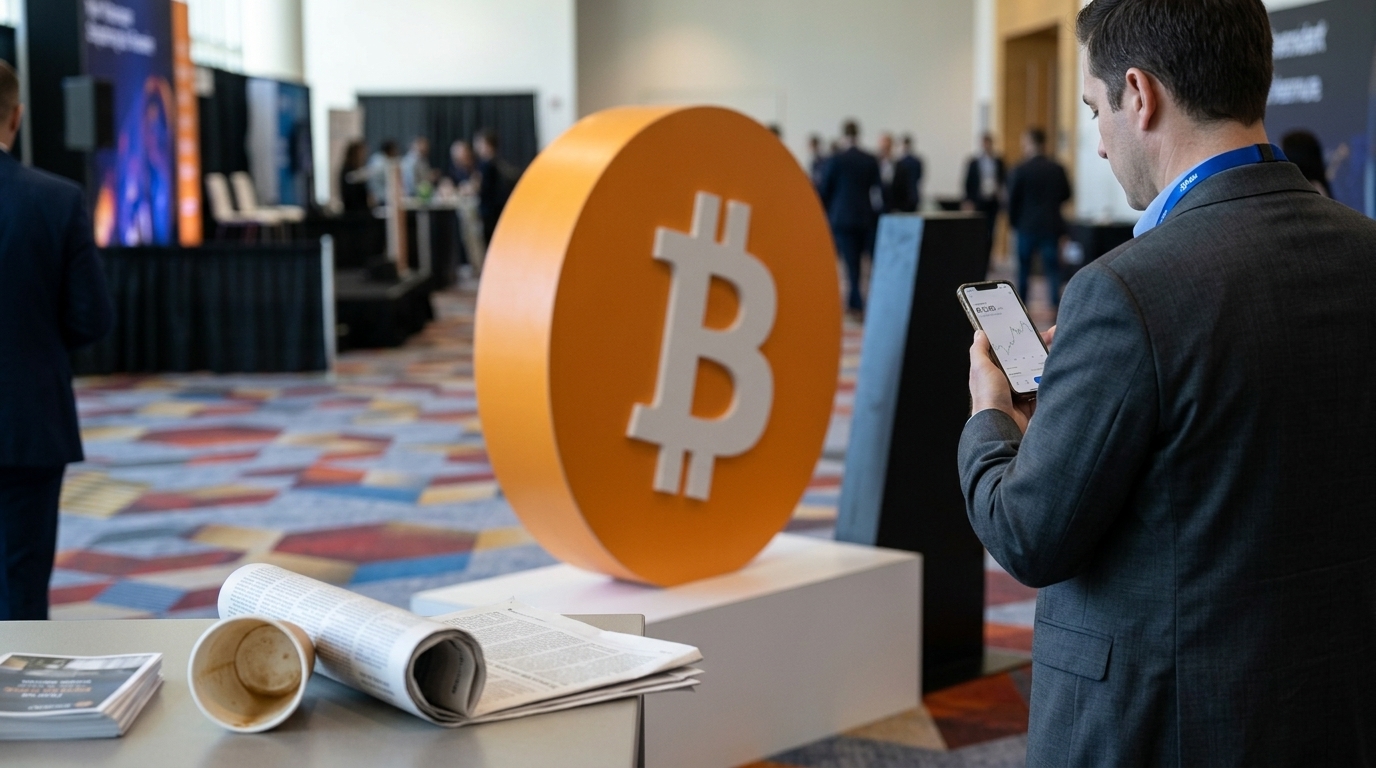
In a period of intense volatility and geopolitical reshuffling, Bitcoin remains at the heart of investor focus, struggling to stabilize above the psychological threshold of $64,000. Current market dynamics are no longer dictated solely by technical indicators or the movement of institutional capital through ETFs; they are directly influenced by whispered diplomatic maneuvers between Washington and Tehran. The possibility of a peace accord that could defuse long-standing tensions in the Persian Gulf creates a blend of anticipation and uncertainty, forcing investors to re-evaluate Bitcoin's role as 'digital gold.'
The Geopolitical Chessboard and Bitcoin
Historically, Bitcoin has thrived on global instability. As a decentralized asset without state dependence, it often serves as a refuge when traditional currencies or energy markets falter. However, the prospect of a US-Iran peace deal introduces a new variable. Such a development could lead to a significant drop in oil prices, curbing global inflationary pressures. In a lower-inflation environment, the need for hedging through Bitcoin might weaken in the short term, explaining the hesitancy observed at current price levels.
Conversely, peace brings stability, and stability often favors 'risk-on' assets. If markets interpret the agreement as a harbinger of a new era of global economic cooperation, Bitcoin could see an influx of capital from investors seeking higher returns in a reduced systemic risk environment. This balance is delicate and is reflected in the cryptocurrency's current sideways movement.
The Altcoin Landscape: Solana and Ethereum on Standby
While Bitcoin grabs the lion's share of the headlines, the altcoin ecosystem presents a mixed picture. Ethereum continues to face pressure as the market looks for clearer signs regarding the adoption of its spot ETFs, while Solana appears to demonstrate greater resilience. Solana’s technological superiority in terms of transaction speed and cost makes it attractive for decentralized applications (dApps), decoupling its path from the general climate of uncertainty.
"Bitcoin is no longer an isolated sector of the economy; it is the mirror of global geopolitical balances," market analysts state, emphasizing that correlation with traditional markets remains at historically high levels.
Macroeconomic Climate and Institutional Adoption
Beyond the Middle East, investor attention remains fixed on the Federal Reserve's moves. With US inflation showing signs of cooling, expectations for further interest rate cuts in 2026 are strengthening. Lower interest rates traditionally favor cryptocurrencies, as they reduce bond yields and increase market liquidity. Institutional adoption, though slowed compared to the early 2024 boom, remains steady, with large pension funds now seriously considering Bitcoin's inclusion in their portfolios as a diversification tool.
Conclusions and Outlook
The current price of $64,000 represents a critical turning point. A successful breakout to the upside could pave the way for new all-time highs, especially if accompanied by positive news on the diplomatic front. Conversely, a failure to maintain these levels might lead to a test of support at $58,000. What is certain is that the summer of 2026 will be decisive for the market's direction, with Bitcoin proving once again that it is much more than just a digital currency: it is a political and economic barometer of our time.