

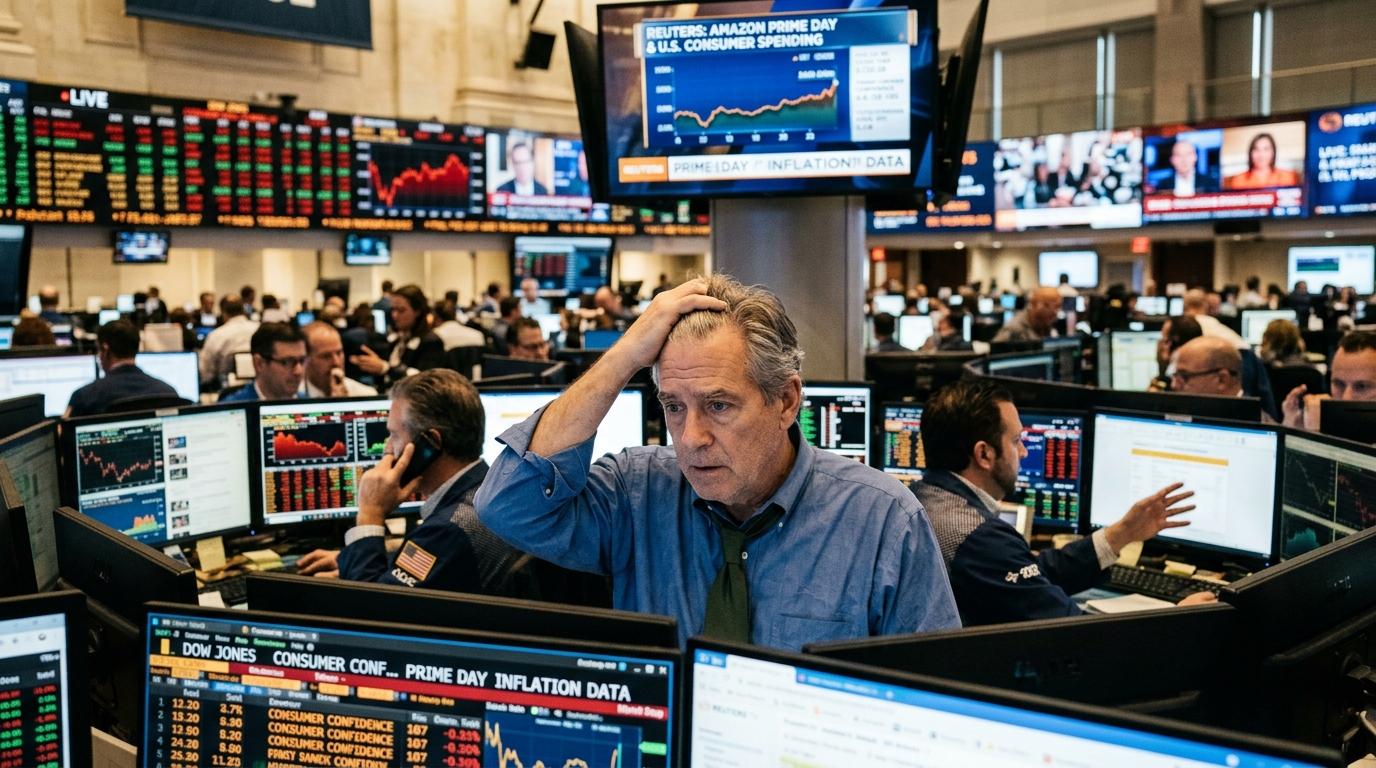
The annual spectacle of Amazon Prime Day, once a celebration of unbridled consumerism and high-tech gadgets, has evolved in 2026 into a critical economic barometer. In an era where interest rates remain stubbornly elevated and the cumulative effect of past inflation has permanently reset price floors, this year's event offers a unique window into the psyche of the American consumer. Shoppers are no longer merely hunting for the latest tech; they are seeking a lifeline for their household budgets.
The Strategy of the "Pinched" Wallet
Reports from Reuters and major financial institutions converge on a single conclusion: the 2026 consumer is fatigued. After years of economic volatility, the dominant trend is "trading down"—shifting to cheaper alternatives or delaying essential purchases until major discount windows open. Prime Day is no longer just about OLED TVs and premium headphones. Data indicates a surge in sales for bulk detergents, pet food, and personal hygiene products.
Amazon, recognizing this shift, has pivoted its algorithmic strategy. Its AI assistant, 'Rufus,' no longer focuses solely on upselling luxury items. Instead, it helps users calculate cost-per-unit, prioritizing value over flashiness. This shift toward a "necessity economy" suggests that Americans are viewing their Prime memberships as inflation-hedging tools rather than luxury conveniences.
The BNPL Revolution and the Debt Trap
One of the most telling, and perhaps concerning, trends of Prime Day 2026 is the ubiquitous use of "Buy Now, Pay Later" (BNPL) services. As credit card limits reach their breaking points, consumers are turning to short-term installment loans to finance even modest purchases. The seamless integration of providers like Affirm and Klarna into the Amazon checkout process has facilitated this trend, but it raises significant questions about the long-term sustainability of consumer spending.
- A 20% year-over-year increase in BNPL utilization during sales events.
- A marked shift toward household consumables over discretionary electronics.
- Increased participation from middle-income households previously less reliant on deep discounts.
This reliance on micro-credit indicates that while top-line sales figures may appear robust, the foundation they stand on is increasingly brittle. Consumers are essentially borrowing from their future earnings to maintain their current standard of living—a cycle that cannot persist indefinitely without a significant correction.
Competitive Landscape: The Retail Arms Race
Amazon's dominance is not going unchallenged. Rivals like Walmart and Target have launched their own aggressive discount campaigns, sparking a price war that benefits consumers in the short term but squeezes retailer margins. The battleground has shifted to logistics and delivery speed. In a world where disposable income is tight, convenience and price are the only metrics that drive loyalty.
"The consumer hasn't stopped spending, but they have become surgically precise in their choices," notes a senior Wall Street retail analyst.
In conclusion, Prime Day 2026 serves as a mirror reflecting an economy in transition. Its success will not be measured solely by gross merchandise volume, but by what it reveals about the health of the average household. If Americans are stockpiling discounted toothpaste instead of upgrading to the latest iPhone, the message to the Federal Reserve and policymakers is unmistakable: the pressure on the real economy remains suffocating.





